REVIEW · KUALA LUMPUR
Malaysia Cooking Classes With Local
Book on Viator →Operated by Malaysia cooking Class · Bookable on Viator
Coconut rice meets real home-kitchen coaching. In Kuala Lumpur, you’ll cook Nasi Lemak and a local dessert with Fizah in her own home, learning from ingredient choices to final plating. I love the step-by-step help for coconut rice and sambal, and I love that you end with a shared meal plus a take-home recipe. The main catch: you work at shared prep and cooking space, so it’s not a solo, private kitchen setup.
This is a private class for your group (often small), running about 3 hours. It’s designed to feel relaxed and personal, with plenty of chances to ask questions and adjust the dish to your own taste—just keep in mind it’s a home setting, not a big restaurant-style studio.
In This Review
- Quick Hits
- Why Nasi Lemak Feels Like a Kuala Lumpur Must
- Meeting Fizah at Awana Puri Condominium: Home-Kitchen Reality
- The 3-Hour Workflow: Rice, Sambal, and Classic Toppings
- Coconut rice: your foundation
- Sambal: heat, acidity, and balance
- Accompaniments: peanuts, anchovies, and eggs
- Shared stations, hands-on pacing
- Making Nasi Lemak Taste Like It Does in Malaysia
- The Local Dessert Side Quest (That Actually Matters)
- Eating Together and Learning the Story Behind the Plate
- Price and Value: Is $59.99 Worth It?
- Practical Tips for Your Kuala Lumpur Cooking Day
- Who Should Book This Class (And Who Might Skip)
- Should You Book It?
- FAQ
- What is the starting meeting point for the class?
- How long does the cooking class last?
- What will I learn to cook?
- Is this a private experience?
- How big is the group?
- Is the class suitable for children?
- Do I get a recipe to take home?
- Can I ask questions during the class?
- Is the host able to accommodate allergies?
- How much does it cost?
- Is free cancellation available?
Quick Hits
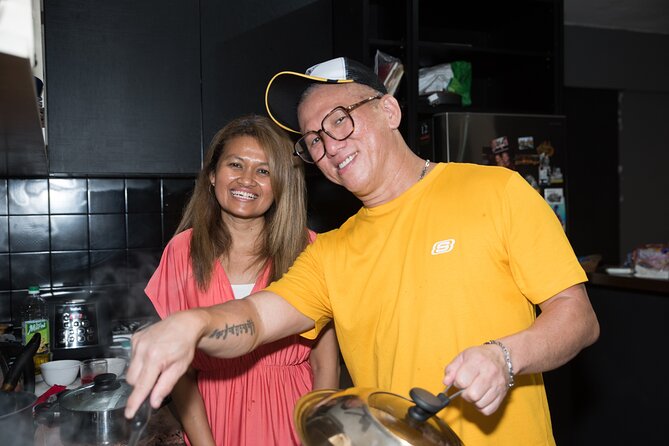
- Hands-on Nasi Lemak teaching: rice, sambal, and the classic toppings go from prep to plate
- Small-group, private feel: only your group participates, in a real home kitchen
- Dessert is part of the plan: you’ll make a local sweet to go with your meal
- You taste what you make: sitting down together is built into the experience
- Allergy-aware hosting: reviews highlight careful attention to dietary needs
Why Nasi Lemak Feels Like a Kuala Lumpur Must
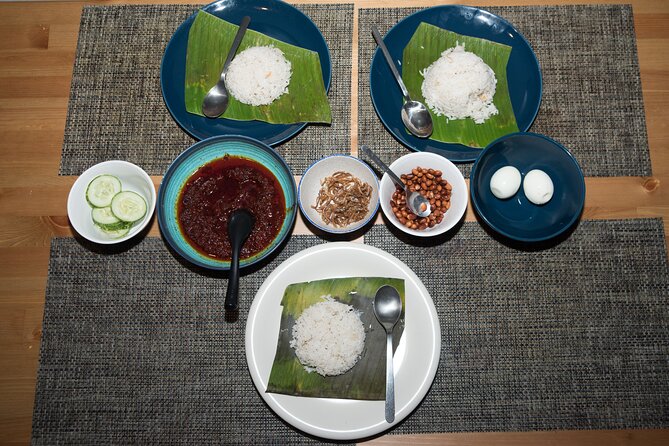
Nasi Lemak is the kind of food that stops you mid-walk. The name means fatty or rich rice, and that’s exactly what you get when the rice cooks in coconut milk and fragrant aromatics. In Malaysia, it’s often treated like comfort food, street food, breakfast, and “national dish” all at once—so when you learn it at the source, you’re not just making one meal. You’re learning how Malaysians think about balance.
The classic formula is simple but specific:
- fragrant coconut rice as the base
- sambal as the heat and flavor engine
- crunchy and salty add-ons like peanuts and anchovies
- a topping that rounds it out, often eggs
What I like about taking a class centered on Nasi Lemak is that it teaches you the “system.” After you understand how coconut rice works and how sambal changes with the ingredients, you can adapt everything later at home without needing to copy a recipe word for word.
You can also read our reviews of more cooking classes in Kuala Lumpur


Meeting Fizah at Awana Puri Condominium: Home-Kitchen Reality
Your class starts at Awana Puri Condominium, Jalan 15/119, Taman Mutiara Barat, 56000 Kuala Lumpur. It’s a residential neighborhood setup, which matters because it changes the vibe from commercial “show kitchen” to real cooking life.
Here’s what that typically means for you:
- You’ll feel like you’re visiting someone’s kitchen, not watching a performance.
- You’ll likely share space and tools while you prep and cook.
- The host, Fizah, coaches directly, so the pace stays human.
The listing notes it’s near public transportation, and the experience uses a mobile ticket. Also, this is not for kids under 12, so if you’re traveling with younger children, you’ll need a different activity.
One practical note: since it’s a home location, wear something comfortable. You’ll be moving around while you cut, prep, and cook.
The 3-Hour Workflow: Rice, Sambal, and Classic Toppings
In a Nasi Lemak class like this, the timeline usually follows the same logic: get the base cooking first, build the flavor next, then assemble toppings right before eating. That’s exactly what you want if you’re trying to learn real technique, not just follow steps.
Coconut rice: your foundation
Fizah guides you through preparing the rice so you get that signature coconut aroma. Expect focus on:
- ingredient selection (what you choose matters)
- how you handle the cooking process so the rice stays fragrant and satisfying
- timing, so everything else finishes without going cold
This is a great starter lesson because it forces you to understand why Nasi Lemak tastes the way it does. The rice isn’t “just rice.” It’s the base note.
Sambal: heat, acidity, and balance
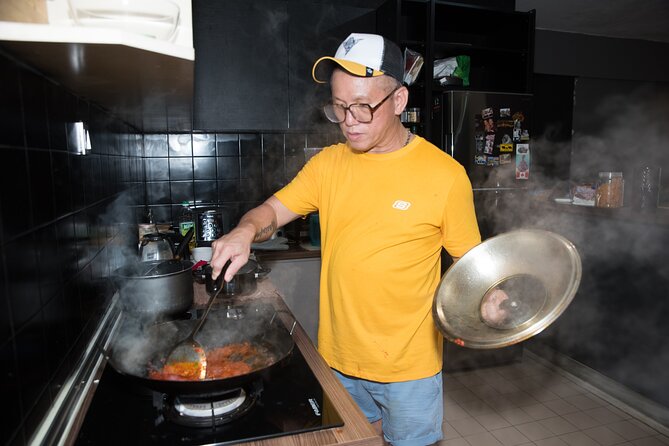
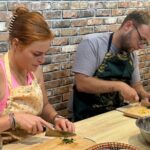
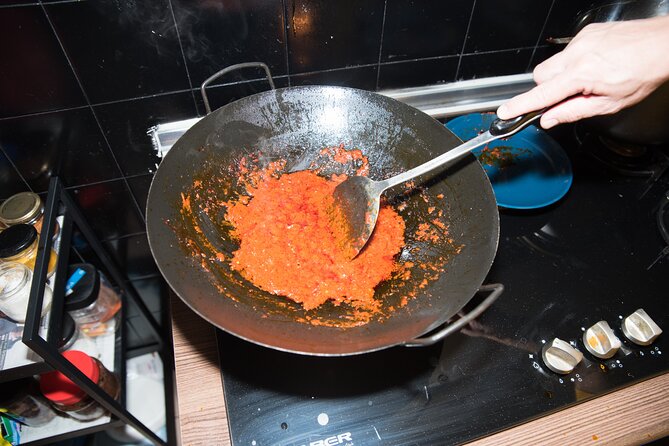
Next comes sambal, the spicy chili paste that gives Nasi Lemak its bite and depth. You’ll make it from scratch, with Fizah showing the traditional recipe and techniques.
Pay attention here: sambal is where people usually go wrong at home. If it’s too hot, too sharp, or one-note, the whole plate suffers. In class, you’ll learn how to adjust and adapt so it matches your taste.
You can also read our reviews of more tours and experiences in Kuala Lumpur



Accompaniments: peanuts, anchovies, and eggs
Then you build the plate with the classic extras:
- peanuts for crunch
- anchovies for salty, savory punch
- eggs as part of the finishing set
You’ll also learn the “why” of the combinations. The toppings aren’t random. They’re the texture and flavor contrast that keeps every bite interesting.
Shared stations, hands-on pacing
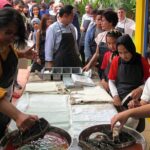
One review calls out that you don’t have your own private cooking station, and that’s consistent with how home kitchens work. You’ll likely prep at your area and cook in shared space. The upside is that you’re doing real tasks, not just watching.
Making Nasi Lemak Taste Like It Does in Malaysia
A good cooking class doesn’t just teach you what to do. It teaches you what to listen for.
In this class, you should come away understanding:
- how to balance the flavor components on the plate
- how sambal behaves as it cooks and how to interpret it
- how to choose ingredients so you get fresh flavor instead of flat taste
Several reviews mention that the class includes step-by-step explanation and that the instructions make it possible to replicate the dish later. You also get to ask questions and receive personalized feedback while you cook, which is huge if your technique differs from the host’s.
And if you worry about spice levels, there’s room to adapt. The class is designed to be useful whether you’re new to cooking or you already cook at home.
If you have dietary concerns, bring them seriously. One standout theme in reviews is that Fizah was thoughtful about allergies, which can make a big difference in how comfortable you feel during a hands-on class.
The Local Dessert Side Quest (That Actually Matters)
You don’t leave after the main dish. You also learn a local dessert, paired to the meal you cook.
The listing calls it a local dessert, and reviews suggest different sweets may come up depending on what’s chosen. People have mentioned desserts like Kuih Gula Melaka and Kuih Ketayap alongside Malay savory dishes.
Why this part matters: dessert in Malaysian meals isn’t an afterthought. It often follows the flavor logic of the culture—sweetness, texture, and sometimes warm spice or rich notes. Making it yourself helps you go beyond Nasi Lemak as a single dish and helps you see the wider cuisine.
At the end, you taste what you make. That’s a practical way to learn: you can compare the sweetness, aroma, and texture to what you expected, then adjust for your next attempt at home.
Eating Together and Learning the Story Behind the Plate
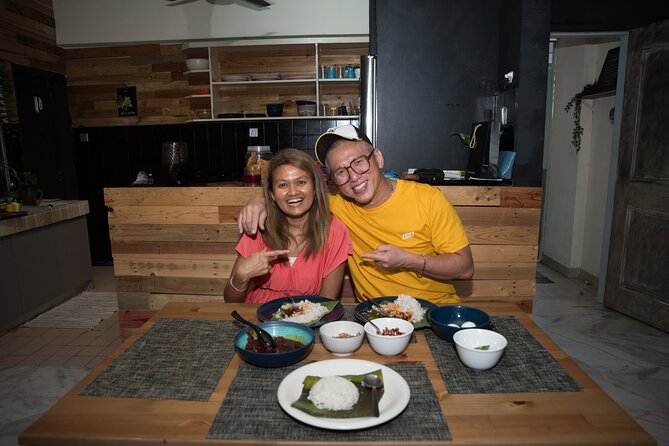
After cooking, you sit down and eat what you prepared. This isn’t just “reward time.” It’s part of how you learn.
You’ll get conversation while you’re eating, and the class includes cultural context—Fizah explains the history and cultural significance of Nasi Lemak, and why it’s so tied to everyday Malaysian life.
One review even mentions meeting Fizah’s husband, Roman, and getting travel tips. That’s a big reason home classes can feel more meaningful than restaurant demos: you’re not just learning recipes, you’re learning how locals talk about food, shopping, and day-to-day choices.
If you like your travel experiences to connect to people, this is a strong fit. It’s also a good way to ask small questions you’d never think to Google.
Price and Value: Is $59.99 Worth It?
At $59.99 per person for about 3 hours, this class isn’t cheap in the “street snack” category. But it competes well in the cooking-class world because you get more than a passive meal.
Here’s what you’re paying for:
- a hands-on experience where you do the work (rice, sambal, accompaniments, dessert)
- coaching and personalized feedback while you cook
- the cultural context for why the dish is built the way it is
- tasting at the end with time to chat
- a take-home recipe so you can recreate it later
The private format matters too. You’re not sharing the instructor’s attention with a large crowd. Reviews also suggest the group stays small, which improves the teaching quality and your chance to ask questions.
If you’re the kind of traveler who likes experiences you can repeat at home, this is a solid value play.
Practical Tips for Your Kuala Lumpur Cooking Day
To get the best results (and the least stress), do a few simple things:
Plan your arrival timing. Since you’re going to a condominium meeting point, give yourself buffer time so you’re not rushing.
Wear shoes you can stand in. You’ll likely be prepping and moving between stations.
Be honest about spice and allergies. If spicy food is an issue, you’ll want to ask about how sambal intensity can be adjusted. For allergies, reviews note Fizah was attentive, so make sure your needs are clear.
Bring curiosity, not just hunger. The class works best when you ask why something is done a certain way (for example, how sambal is guided or how the balance on the plate is achieved).
Don’t assume the dessert is generic. If you’re offered choices, pick the one you’re most curious about. Reviews mention sweets like Kuih Gula Melaka and Kuih Ketayap, and those are very different experiences.
Who Should Book This Class (And Who Might Skip)
You should book this Nasi Lemak cooking class if:
- you want a hands-on Malaysian cooking experience, not a lecture
- you like learning the “system” behind a dish (rice, sambal, toppings)
- you want to bring home a recipe you can actually use
- you enjoy small-group, home-style conversations and cultural talk
You might skip it if:
- you strongly prefer a private cooking station with zero sharing of tools or space
- you’re traveling with kids under 12
- you’re expecting a restaurant-style guided show where you only watch
Also, if you want a lot of variety in one afternoon, keep in mind this class is centered on Nasi Lemak plus a local dessert. Some reviews mention different dishes in other sessions, but the focus here remains Malaysian cooking and this Nasi Lemak-centered meal.
Should You Book It?
Yes, I’d book it if you want one of the most practical culinary souvenirs from Kuala Lumpur: a meal you can reproduce, explained in a real home kitchen. The teaching style seems to be the core strength—step-by-step guidance, time for questions, and a relaxed atmosphere that makes beginners comfortable.
The only reason I’d hesitate is the shared-station nature. If you need a totally private kitchen setup, look elsewhere. If you’re flexible and ready to get your hands working, this is one of those experiences that pays off long after you return home.
FAQ
What is the starting meeting point for the class?
The class starts at Awana Puri Condominium, Jalan 15/119, Taman Mutiara Barat, 56000 Kuala Lumpur, Wilayah Persekutuan Kuala Lumpur, Malaysia.
How long does the cooking class last?
The duration is approximately 3 hours.
What will I learn to cook?
You’ll learn to cook Nasi Lemak, including the rice, sambal, and classic accompaniments such as peanuts, anchovies, and eggs, plus a local dessert.
Is this a private experience?
Yes. It’s listed as a private tour/activity, and only your group participates.
How big is the group?
The experience is described as a small-group class in reviews, with some reports mentioning up to four people.
Is the class suitable for children?
No. The listing states there are no children under 12 years old.
Do I get a recipe to take home?
Yes. You’ll be able to take home the recipe.
Can I ask questions during the class?
Yes. You can ask questions and receive personalized feedback while you work.
Is the host able to accommodate allergies?
Reviews mention that Fizah was thoughtful about allergies, which can be important if you have dietary restrictions.
How much does it cost?
It costs $59.99 per person.
Is free cancellation available?
Yes. Free cancellation is available if you cancel at least 24 hours in advance for a full refund.