REVIEW · KUALA LUMPUR
LaZat Malaysian Cooking Class
Book on Viator →Operated by LaZat Malaysian Cooking Class · Bookable on Viator
You can smell dinner learning your way. This half-day LaZat Malaysian Cooking Class is built around real ingredients, real techniques, and a small-group kitchen time that’s easy to fit into a Kuala Lumpur day. I like that it starts with a local-style market walk (except Mondays) and then hands you the tools to cook a full menu, not just watch. I also like the setup for adults (16+), with snacks plus tea/coffee so you’re not running on empty mid-stove.
The main thing to think about: this isn’t a door-to-door tour. You’ll need to get yourself to the market meeting point, and transport is only covered from the wet market to the cooking school after the market portion.
In This Review
- Key things to know before you go
- Where the day starts: Pasar Besar and a half-day plan that frees up your afternoon
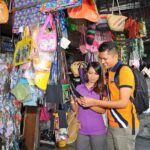
- The market tour: seeing spices, textures, and ingredient names up close
- LaZat Cooking School kitchen time: your own station and real Malaysian technique
- Food you’ll actually want to make again: menus, methods, and take-home recipes
- Snacks, tea, and coffee: how the class keeps your energy steady
- Small-group learning in a mixed local-and-tourist setting
- Price and logistics: is $130 worth it?
- Dietary preferences: tell them early so your menu works
- Who this class is best for (and who should skip it)
- Should you book LaZat Malaysian Cooking Class?
- FAQ
- What is the age requirement for LaZat Malaysian Cooking Class?
- How long is the cooking class?
- Do I join a market tour before cooking?
- Is breakfast and tea/coffee included?
- What dietary restrictions can they handle?
- Where do I meet and where does the activity end?
Key things to know before you go

- Adult-only kitchen time (16+) keeps the class focused and calmer.
- Market tour before cooking (most days) helps you connect spices to flavor instead of guessing.
- Individual equipment set means you cook with your own stove, utensils, and mortar & pestle.
- Roti canai breakfast + tea/coffee included keeps energy steady while you learn.
- Small group, up to 12 people supports better pace and more instruction.
Where the day starts: Pasar Besar and a half-day plan that frees up your afternoon

This class runs for about 5 hours, and it’s designed so you still have the rest of the day for Kuala Lumpur. The practical win here is pacing. You get a morning-style start with the market portion (when it’s scheduled), then you move into cooking, and you’re done early enough to wander, shop, or just collapse with air-conditioning later.
You’ll meet at Pasar Besar Taman Tun Dr. Ismail (TTDI). That matters because it shapes the whole day: you’re not spending the experience trapped in transit. Still, you should plan on handling your own way to the market. The class covers a transfer after the market tour to LaZat Cooking School, and the experience ends back at the meeting point.
Also, the tour uses a mobile ticket, which is handy if you’re juggling multiple bookings on your phone.
You can also read our reviews of more cooking classes in Kuala Lumpur


The market tour: seeing spices, textures, and ingredient names up close
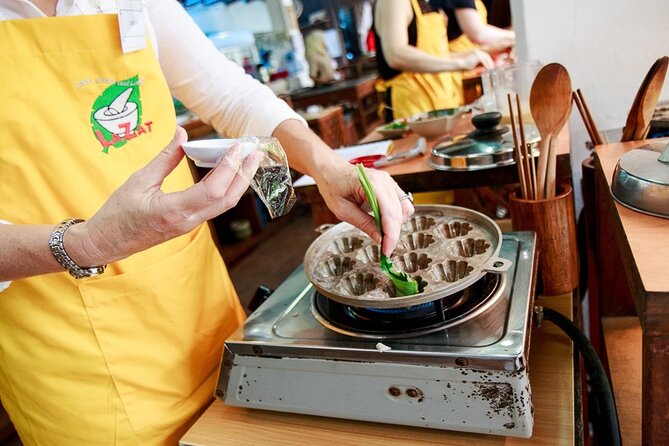
One of the strongest parts of the experience is the guided market time. It’s available every day except Mondays, so check the day you’re booking. The market isn’t just scenic. It’s where you learn what you’re actually buying and why it behaves the way it does in Malaysian cooking.
Here’s what the market walk gives you if you pay attention:
- You get a real sense of how spices are recognized by smell and appearance, not just a recipe list.
- You’ll see ingredients up close that most people only ever meet in takeaway food.
- You learn the names and the textures, which becomes useful once you’re in the kitchen measuring and grinding.
You’ll also get a light breakfast of roti canai during this portion. That’s not just a small perk—it helps you learn with less “hangry math.” In cooking classes, hunger can turn concentration into chaos. With breakfast handled, you can focus on the details you’ll later reproduce.
A subtle plus: because the market and cooking are linked, you’re not memorizing steps blindly. You connect ingredients you saw earlier with the dish you cook later. That’s how the recipes become usable at home.
LaZat Cooking School kitchen time: your own station and real Malaysian technique
Once the market portion ends, you’ll be transferred to LaZat Cooking School. From there, the learning shifts from looking to doing.
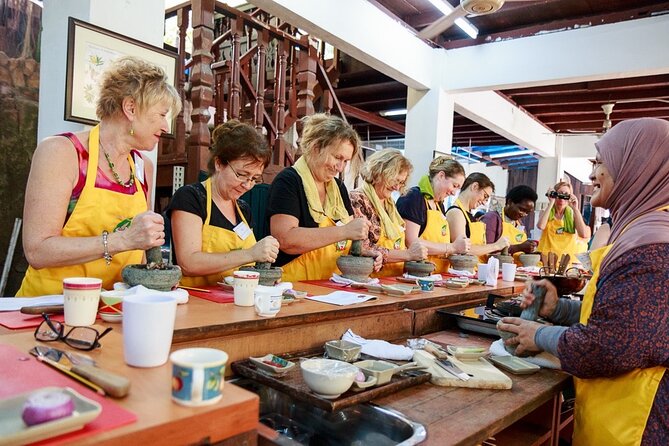
The class provides an individual set of equipment for each participant, including:
- a gas burner stove
- counter space and utensils
- traditional utensils
- a mortar & pestle
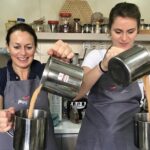
This individual-station approach is a big deal. In larger cooking classes, you can spend half your time waiting for shared tools. Here, you’re cooking with your own setup, which keeps the pace moving and helps you feel what each technique changes.
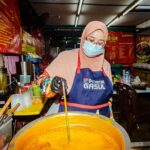
You’ll work through a full-course menu (starter, main dishes, dessert), guided by experienced instructors. The goal isn’t to “talk about food.” It’s to build muscle memory: how to stir, how to grind, how to adjust heat, and how flavors stack on each other.
One practical note: a review described the cooking being set in an outdoor cooking setup inside a secure building. If you’re sensitive to sun or humidity, that’s useful to know. Plan for Malaysian weather rather than expecting an indoor studio vibe.
Food you’ll actually want to make again: menus, methods, and take-home recipes
The class doesn’t just give you a dish. It gives you a path: starter first, then mains, then dessert. That structure helps you understand how Malaysian meals balance flavor across the day.
You can also expect a recipe book to take home. That’s where the class becomes more than entertainment. You’re not just enjoying a meal that disappears in an hour—you’re leaving with something you can use later.
A helpful detail from the experience: the instruction style is built for different skill levels. Whether you’re comfortable with the stove or you’ve mostly survived on ordering in, the class is set up to be learnable.
And if you have a specific dish in mind, pay attention to the flexibility. One account shared that a menu day didn’t match their request for rendang, but the instructors accommodated. That suggests the team watches the group’s needs and can adjust when possible. If rendang is a must for you, it’s worth asking in advance what’s feasible on your day.
Snacks, tea, and coffee: how the class keeps your energy steady
Cooking is physical work. Even if your knife skills are beginner-level, you’re standing, stirring, tasting, and moving between tasks. LaZat supports that reality with provided refreshments:
- snacks
- tea and/or coffee
This is one of those details that seems small until you’re halfway through a hot kitchen session. It helps you stay focused long enough to absorb the technique, and it makes the half-day feel smoother.
Also, alcoholic beverages are not included. If you like a drink with dinner, you’ll need to plan for that outside the class.
You can also read our reviews of more tours and experiences in Kuala Lumpur



Small-group learning in a mixed local-and-tourist setting
The class is max 12 travelers, which changes the entire teaching experience. In practice, smaller groups mean:
- faster feedback when something needs correcting
- more chance to ask questions
- less time waiting for instructors to come to you
You’ll also be with a mix of locals and international guests. That’s a practical advantage, not just a cultural one. You’ll often hear different background assumptions about what “authentic” cooking means, and the instructors can connect your questions to the method.
A real-world plus from a review: the team was friendly and fun even with limited English, which tells me the teaching likely leans on clear demonstration and supportive staff, not just lecture-style explanations. If you’re worried about language barriers, this is the kind of class where the hands-on format does the heavy lifting.
Price and logistics: is $130 worth it?
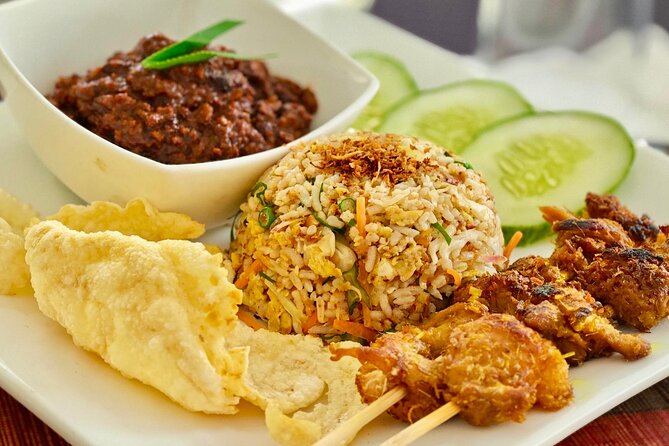
At $130 per person for roughly 5 hours, the value depends on what you compare it to. If you’re used to paying for a meal plus a short cooking demo, this will feel like better value. If you’re thinking “I can cook at home,” sure—you can. But you’d be paying for ingredients, spices, and equipment, and you wouldn’t get guided technique or a kitchen setup designed for learning.
Here’s what you’re getting that most standalone experiences don’t include:
- Transfer from wet market to the school (after the market walk)
- roti canai breakfast
- tea/coffee + snacks
- individual equipment set (not shared tools)
- ingredients for a full-course menu
- a recipe book you can use later
If you do the math, you’re paying for coaching + a pre-planned ingredient system. That’s what turns “cooking” into “learning.”
The tradeoff is logistics. You handle getting to Pasar Besar yourself, and transport after class ends isn’t included. But because the class loops back to the meeting point, you’re not stuck waiting in an unfamiliar area with no plan.
Dietary preferences: tell them early so your menu works
The class asks you to inform them in advance if you have dietary restrictions like vegan, vegetarian, gluten-free, or allergies. That’s important because Malaysian cuisine often uses a mix of sauces, aromatics, and ingredients that may need careful substitutions.
I’d treat this as a quick planning task:
- Send your requirements during booking or as soon as you can.
- Don’t wait until the day of the class unless the operator confirms you’re covered.
If your dietary needs are complex, you’ll feel better with clarity before you arrive with hungry expectations.
Who this class is best for (and who should skip it)
This is a good fit if you:
- want a half-day activity with real skills you can repeat
- like market-to-kitchen learning (seeing spices before cooking)
- enjoy small-group instruction
- are comfortable cooking in a shared class space with other adults
It may not be ideal if:
- you want door-to-door pickup (transport to the market and after return isn’t included)
- you’re looking for a full-day sightseeing program instead of a focused cooking lesson
- you need a menu with very specific allergy accommodations and don’t want to communicate details ahead of time
Should you book LaZat Malaysian Cooking Class?
If you want a cooking class that feels like a real food education, this is an easy yes. The biggest strengths are practical: market context, your own cooking station, a full menu, and small-group size. For the price, you’re paying for instruction plus ingredients plus tools, and you’re walking away with a recipe book you can actually use.
My decision rule: book it if you’re excited to learn techniques and you’re happy meeting at Pasar Besar. Skip it if transport convenience matters more than the cooking part.
Either way, plan for a warm day and bring your appetite. Cooking classes have one job: turn your curiosity into something you can taste—and this one is set up to do that.
FAQ
What is the age requirement for LaZat Malaysian Cooking Class?
The class is for people 16 and older. That means you won’t be cooking with younger children.
How long is the cooking class?
The experience runs for about 5 hours (approx.).
Do I join a market tour before cooking?
Yes, there is a guided market tour before cooking, and it’s available every day except Mondays.
Is breakfast and tea/coffee included?
Yes. You’ll have a light roti canai breakfast, plus coffee and/or tea, and snacks during the class.
What dietary restrictions can they handle?
You can request dietary needs like vegan, vegetarian, gluten-free, or allergies, but you need to inform them in advance.
Where do I meet and where does the activity end?
You start at Pasar Besar Taman Tun Dr. Ismail (TTDI), and the activity ends back at the same meeting point. Transfer is provided from the wet market to the cooking school after the market tour, but transport to the market and after class isn’t included.