REVIEW · KUALA LUMPUR
Kuala Lumpur: Malaysian Cooking Class with Market Tour
Book on GetYourGuide →Operated by Lazat Cooking Class · Bookable on GetYourGuide
A market visit can make cooking lessons click fast, and this one starts with TTDI Wet Market. You get to see the ingredients up close before you touch the stove, which makes the flavors make sense later. I also love that the school leans on fresh herbs and spices from their garden and nearby local farms.
What I really like is that you cook a full 3-course lunch instead of just watching. You’ll make your own appetizer, main course, and dessert with guidance, and the small group format keeps you from feeling lost or rushed.
One drawback to consider: the day begins at 8:30 AM for the market tour, and while you can skip the market part, you’ll still need to plan your timing around the overall 330-minute session and where you meet.
In This Review
- Key highlights at a glance
- TTDI Wet Market: Your ingredient starter pack
- LaZat Cooking School and Ana’s “massage the ingredients” approach
- The 330-minute flow: from walk to lunch plate
- Cooking your own 3-course Malaysian lunch
- Market-to-school transfer and what you must arrange yourself
- Instructor languages and small-group learning you can actually use
- What you’ll likely eat, and why it tastes better when you cook it
- Price and value: why $149 can make sense here
- Who should book this cooking class in Kuala Lumpur?
- Should you book the LaZat market-and-cooking class?
- FAQ
- What time does the market tour start?
- Where do I meet the group?
- How long is the class?
- Can I skip the market tour?
- What dishes will I cook?
- Are the cooking tools included?
- Is transfer from the market to the school included?
- Is transportation to the Wet Market included?
- Does the class include snacks and drinks?
- What languages are the instructors able to teach in?
Key highlights at a glance
- TTDI Wet Market ingredient walk from the entrance facing Jalan Wan Kadir, before you cook
- 3-course hands-on lunch with an appetizer, main, and dessert
- Garden-and-farm focus for herbs and spices used in class
- Individual cooking setup with a gas burner stove, utensils, and mortar & pestle
- Small group teaching with an instructor speaking English, Malay, or Chinese
- Different ethnic menu each day, so you’re not doing the same set every time
TTDI Wet Market: Your ingredient starter pack
The lesson begins in the right place: TTDI Wet Market. You meet everyone at the market entrance facing Jalan Wan Kadir, and the market portion is designed to help you learn what goes into Malaysian cooking and why. This is one of those steps that turns a cookbook recipe into something you can actually recreate later.
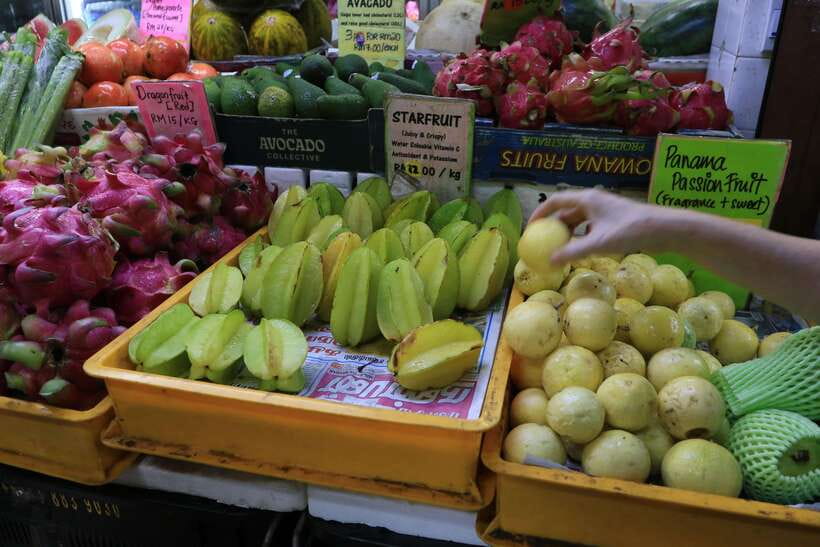
The best part is that you’re not just sightseeing. You’re watching how ingredients are selected, and that matters for Malaysian flavors where small differences in spice, freshness, and aromatics can shift the whole dish. A market stop also helps if you’ve ever eaten Malaysian food and wondered what you were really tasting—ginger, galangal, fresh herbs, toasted spices, coconut, tamarind, and more tend to show up in different combinations.
In the morning, you may also pick up taste ideas along the way. One example from the experience: people have called out enjoying roti canai at the market as a morning win, even before the formal cooking starts. That’s useful because it trains your palate for what’s coming next: savory, buttery, lightly sweet, and fragrant.
Practical note: you’re starting early at 8:30 AM. If you don’t want the full market walk, you can skip it and join later, but you’ll miss that ingredient context. For first-timers in Kuala Lumpur food culture, I think the market portion is the magic switch.
You can also read our reviews of more shopping tours in Kuala Lumpur



LaZat Cooking School and Ana’s “massage the ingredients” approach
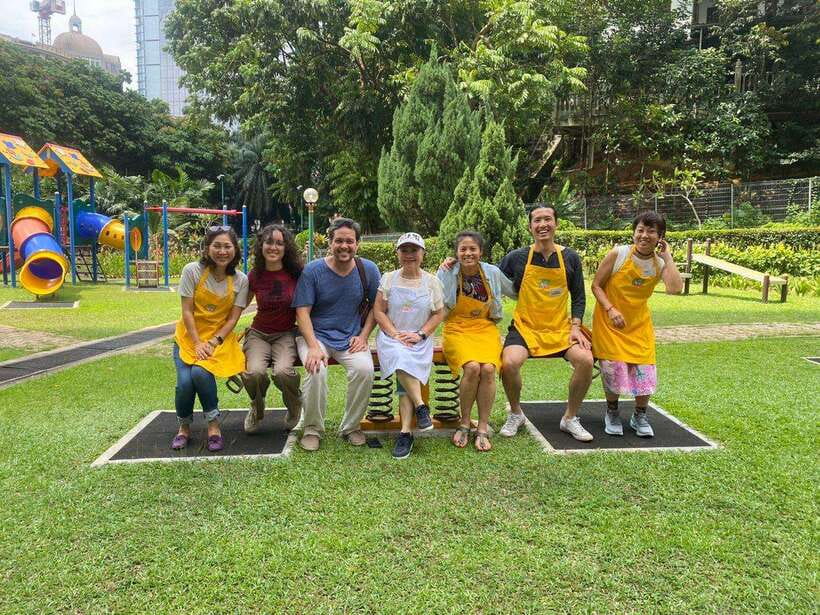
After the market, you transfer to LaZat Cooking School (this transfer is included after the market tour). The school’s vibe is built around respect for tradition, not just speed or performance. The cooking philosophy is anchored in fresh herbs and spices from Ana’s garden and local farms, which means the class isn’t relying on whatever sits in a pantry.
Founder Ana guides the approach with a motto: massage your ingredients and fill them up with love. Translation for you: Malaysian cooking often depends on releasing flavors. That means mixing, grinding, bruising aromatics, and working ingredients until they smell right. If you’ve only seen sauces poured from bottles, you’ll feel the difference here. You’re learning technique, not just recipes.
The school also uses the idea of family recipes passed down through generations. You’ll hear the stories behind the dishes, which helps when you’re cooking something you can’t fully understand from ingredients alone. Rendang, for example, isn’t just spicy meat. It’s layers, slow development, and the kind of patience that makes sense once you learn the logic.
Also, this class is friendly about dietary needs. They state they welcome everyone no matter your dietary needs. They don’t list exact adaptations in the info provided, so you’ll want to share your needs when you book, but the intention is clearly inclusive.
The 330-minute flow: from walk to lunch plate
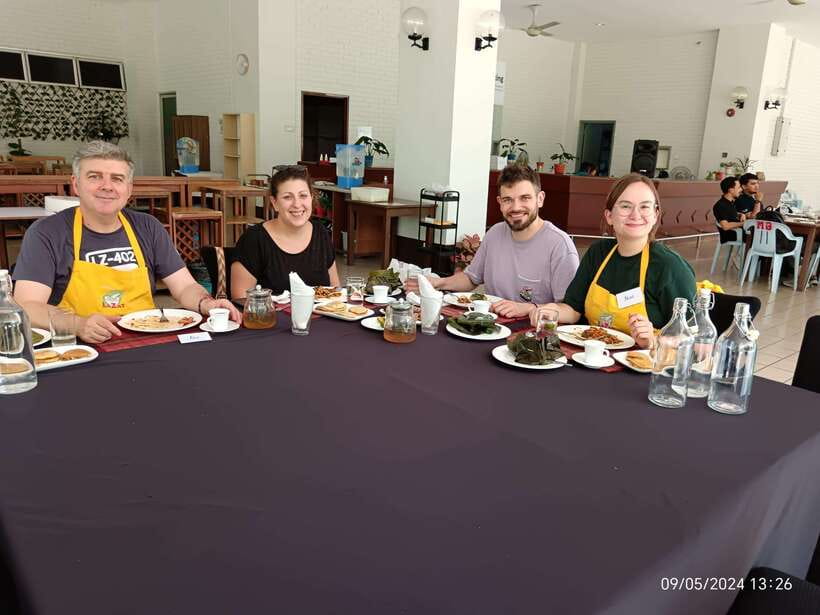
This experience runs 330 minutes, which is a little over 5.5 hours. That length matters because you’re not only cooking—you’re also learning and then eating together. Many cooking classes feel like a sprint; this one has time built in for the market portion and for making a whole lunch rather than quick assembly.
Here’s the structure you should expect:
First, you do the market tour at 8:30 AM. Then you head to LaZat Cooking School. Once there, you create a 3-course lunch: appetizer, main course, and dessert. You’ll be working hands-on with guidance from the instructor and with your fellow participants in a small group setting.
If you do skip the market tour, you’ll still join the cooking portion later. That’s a great option if you’re short on time, jet-lagged, or simply not into markets.
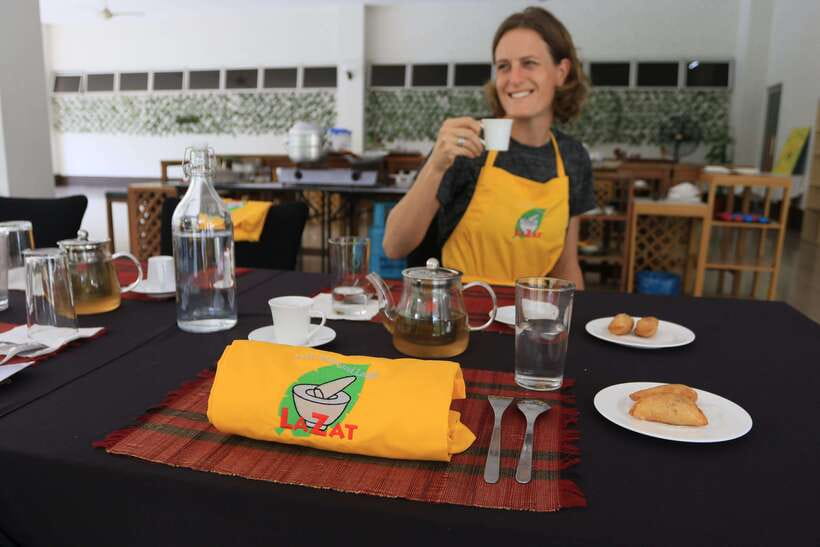
The class includes snacks plus coffee and/or tea. That helps a lot because the market walk can work up an appetite, and you’ll be cooking for a while before you sit down to eat the full lunch. It’s also a nice touch if you don’t want to cram extra food into your day before and after.
Cooking your own 3-course Malaysian lunch
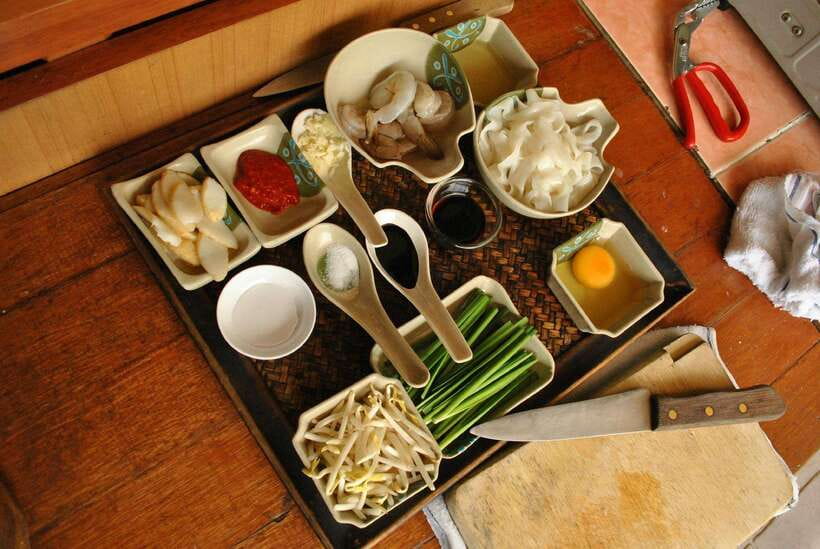
The headline is straightforward: you make the meal. You’re not just tasting small samples and taking notes—you’re building an appetizer, a main course, and a dessert, and you’ll use the tools the school provides.
Each day features a different ethnic menu, so your dishes can vary by schedule. From the experience details, some dishes you may learn include Nasi Lemak and Chicken Rendang. Even if you don’t end up cooking those exact dishes, the technique lessons are the value: balancing spices, handling aromatics, and understanding how Malaysian flavors layer together.
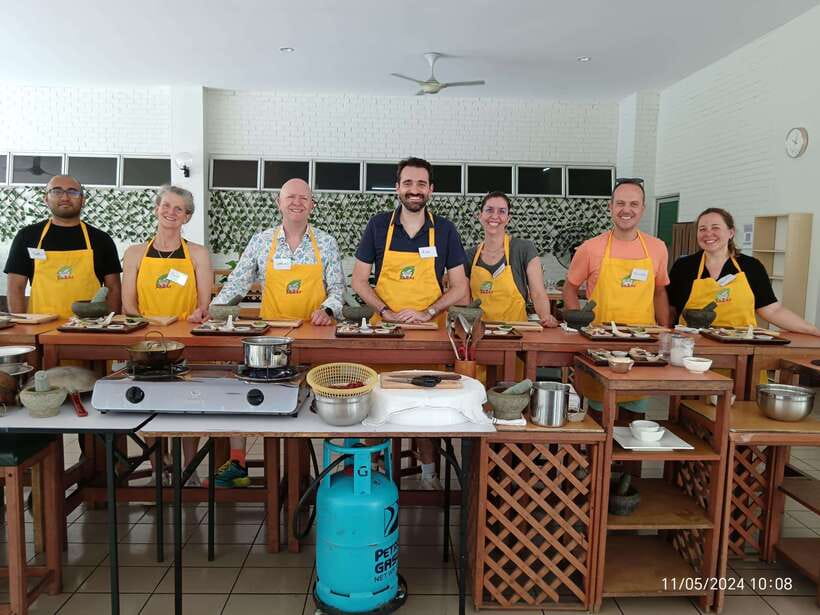
One thing I appreciate is that you’re working with an individual setup. Each participant receives an individual set of equipment, including:
- a gas burner stove and countertop
- cooking utensils and traditional utensils
- mortar & pestle
That matters because grinding and pounding aren’t just tradition for show. Those steps can change the texture and aroma of what you’re making, and doing it yourself is the quickest way to understand why recipes call for specific methods rather than vague instructions like mix until smooth.
You’ll also get guided support from the instructor, which is especially important if Malaysian cuisine includes ingredients or steps you’re unfamiliar with. In the reviews, the teaching stood out, and one instructor was named repeatedly: Saadiah. People described her as a highlight of the cooking experience and praised how much she shared about Malaysian food and culture, not only the steps. If you can get Saadiah as your teacher (she’s often teaching on Saturdays), you’re likely to have an especially story-rich class.
Market-to-school transfer and what you must arrange yourself
This is where planning can save you stress.
Included:
- transfer from the Wet Market to LaZat Cooking School after the market tour
- snacks during the class
- coffee and/or tea
- individual cooking equipment
Not included:
- transport to the Wet Market (Pasar Besar TTDI)
- transport after the class finishes
That means you should handle your commute to the meeting point yourself. Once the market tour is done, you can relax because the transfer to the school is handled for you. After class, you’ll also need to arrange your own way back.
If you’re building a day around Kuala Lumpur sights, I’d treat this as a half-day commitment with a fixed start time. Don’t schedule another major event too close to the end. You’ll want time to digest (literally) and to get yourself back to wherever you’re staying.
Also, don’t underestimate how much equipment plus cooking time can take out of you. This is not a light snack-and-chat class. You’ll be standing, chopping, grinding, and cooking.
You can also read our reviews of more tours and experiences in Kuala Lumpur

Instructor languages and small-group learning you can actually use
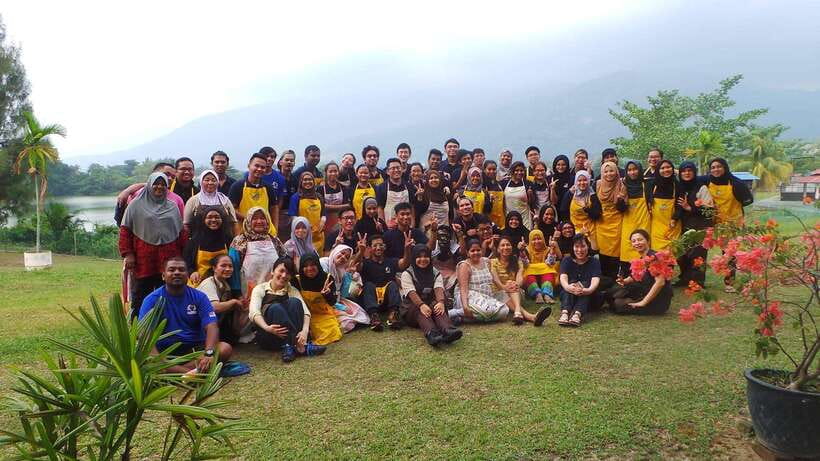
The instruction is offered in English, Malay, and Chinese. That matters because understanding techniques in real time is the difference between learning and simply following. If you’re more comfortable in one of those languages, you’ll probably get more from the explanations and any cultural context the instructor shares.
Small-group format is another quiet advantage. You’re not watching someone cook while you hold a plate. In a smaller group, it’s easier to ask questions when your spice mixture looks different, or when you’re unsure about doneness. In the feedback shared for this experience, people consistently highlighted the balance of safety and enjoyment—meaning the teaching style focused on keeping things comfortable while still making it hands-on.
If you’re the type who learns by doing, you’ll do well here. If you prefer silent cooking with a strict timer, you might find the cultural storytelling and explanations a lot—but the upside is that you’ll leave with context you can use later, not just a meal you ate.
What you’ll likely eat, and why it tastes better when you cook it
The menu changes by day, but the learning structure stays the same: appetizer, main, dessert. With Malaysian cooking, that structure helps you taste how sweet, salty, spicy, and aromatic work together rather than competing.
Some dishes you might cook or learn about on this class include Nasi Lemak and Chicken Rendang. If you’ve had these before, cooking them is a chance to notice what you previously treated as generic flavor. Rendang in particular is a great example of why technique matters. The spice base, coconut elements, and cooking method all build toward a deeper result than a quick simmer.
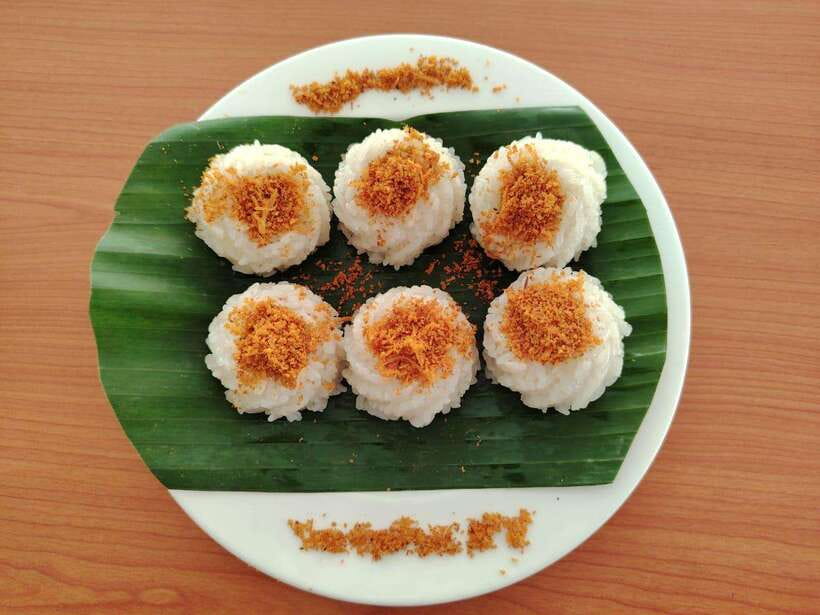
Dessert can be a surprise too. Malaysian desserts often rely on coconut, sugar, and fragrant ingredients. Even when you don’t know what each ingredient does, cooking it yourself helps you understand the balance. You won’t just taste sweetness—you’ll recognize how texture and aroma get built.
If the market portion adds a little sample moment (like roti canai), you may find your meal feels like a coherent storyline rather than separate stops.
Price and value: why $149 can make sense here
At $149 per person, this isn’t a budget activity. But it can be good value depending on what you compare it to.
Here’s what you’re paying for that many DIY cooking plans don’t include:
- a market tour that teaches ingredients and selection
- a full 3-course lunch that you cook yourself
- individual equipment (stove, utensils, traditional tools, mortar & pestle)
- snacks plus coffee and/or tea
- the transfer from the market to the school after the market tour
You’re also getting instructor guidance during active cooking. That’s the part you can’t easily replace if you’re just buying ingredients and trying to follow a recipe at home. Malaysian cooking depends on technique. The market-to-stove setup helps you learn both.
If you’re comparing it to restaurant meals, $149 might look high—until you realize you’re eating a full lunch and also spending half a day learning methods you can repeat. If you want a hands-on food experience in Kuala Lumpur that feels more personal than a group tour with photo stops, this one’s priced like it knows what it is.
Who should book this cooking class in Kuala Lumpur?
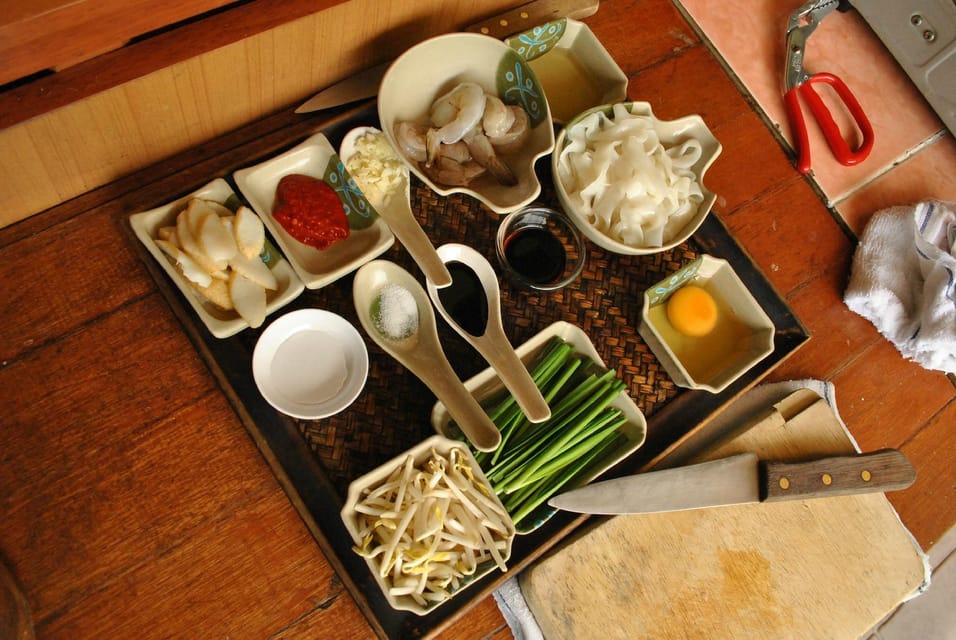
I’d book this if you:
- want a hands-on meal experience, not just watching cooking
- enjoy learning ingredients, not only recipes
- like small group settings where you can ask questions
- are a first-timer to Malaysian food and want the stories behind it
It’s also a solid choice if you like structure. The market tour sets the foundation, and the class gives you the full lunch payoff.
If you’re mainly looking for a low-effort food tasting, this might be more work than you want. Also, because you start at 8:30 AM for the market tour, it may not fit very late-night schedules—even though you can skip the market if needed.
Should you book the LaZat market-and-cooking class?
Yes—if you want the full Malaysian cooking experience with context. The combination of TTDI Wet Market ingredient learning, garden-and-farm spice sourcing, and a real 3-course lunch you cook yourself makes it feel like more than a ticket. And when Saadiah is teaching, you’re likely to get especially strong cultural storytelling alongside the techniques.
I’d also book if you’re the type who wants to take something home that isn’t just photos. You’ll leave with method, not just memory.
If you’re short on time, skip the market tour option can help. If you hate early mornings or don’t want to manage your own transport to TTDI Wet Market, plan your day around the meeting point and your travel back after the class.
FAQ
What time does the market tour start?
The market tour starts at 8:30 AM.
Where do I meet the group?
Meet at TTDI Wet Market at the entrance facing Jalan Wan Kadir.
How long is the class?
The duration is 330 minutes.
Can I skip the market tour?
Yes. You can skip the market tour and join later.
What dishes will I cook?
You’ll create a 3-course lunch: an appetizer, a main course, and a dessert. Each day has a different ethnic menu.
Are the cooking tools included?
Yes. Each participant gets an individual set of equipment, including a gas burner stove, countertop, cooking utensils, traditional utensils, and mortar & pestle.
Is transfer from the market to the school included?
Yes, transfer from the Wet Market to LaZat Cooking School is included after the market tour.
Is transportation to the Wet Market included?
No. Transport to the Wet Market (Pasar Besar TTDI) is not included.
Does the class include snacks and drinks?
Yes. Snacks are included, plus coffee and/or tea.
What languages are the instructors able to teach in?
Instruction is available in English, Malay, and Chinese.