A morning market trip can change how you taste lunch. This is a hands-on Malaysian cooking class that starts at the TTDI Wet Market and ends with you eating what you cook. It’s a practical way to learn ingredients first, then use them for real dishes.
I especially like the small-group setup, because you’re not stuck watching from the back row. And I like that the menu hits the Malaysian comfort-food hits: char kway teow, nasi lemak, and roti canai, plus step-by-step help in English.
The main drawback to keep in mind is logistics: hotel pickup and drop-off are not included, so you’ll need to get to the meeting point on time.
In This Review
- Key Points at a Glance
- TTDI Wet Market to Lunch: The Morning Flow
- The Market Tour Teaches You What to Buy (and What to Taste)
- Cooking Stations, English Instruction, and Step-by-Step Confidence
- What You’ll Cook: Char Kway Teow, Nasi Lemak, and Roti Canai
- Char kway teow: noodles, heat, and flavor layering
- Nasi lemak: coconut rice that feels like a meal
- Roti canai: flaky bread with technique
- Vegetarian and vegan adjustments
- Lunch You Helped Make: Communal Dining, Real Satisfaction
- Price and Value in Kuala Lumpur: What You’re Paying For
- Schedule, Group Size, and the Practical Stuff That Makes or Breaks It
- Who Should Book This Cooking Class (and Who Might Want Something Else)
- Should You Book It?
- FAQ
- FAQ
- What time does the cooking class start and end?
- Where do I meet the group?
- Is hotel pickup or drop-off included?
- How big is the group?
- Are vegetarians or vegans able to join?
- What dishes will I cook?
- What if the minimum number of travelers isn’t reached?
Key Points at a Glance
- TTDI Wet Market start: learn ingredients before you cook them
- Small group, max 14: more attention while you’re working at your station
- Real dishes, full meal: cook noodles, coconut rice, and Indian breads, then eat lunch
- English instruction: easier for most visitors to follow along
- Vegetarian and vegan substitutions: the class can adjust ingredients
- TTDI Wet Market meeting point only: no hotel pickup, and you return there
TTDI Wet Market to Lunch: The Morning Flow
This class runs Tuesday through Saturday, starting at 8:30am and finishing around 1:30pm after lunch. I like the timing because you get most of your Kuala Lumpur food experience in the morning, before the city’s heat and traffic become the day’s main character.
The day is straightforward. You meet at Pasar Besar Taman Tun Dr. Ismail (TTDI Wet Market) and begin with the market tour. Then you move into the cooking school for the hands-on session, where you work at a station with the instructors guiding you.
One detail that matters: the start time is 8:15am readiness, and you’re asked to arrive about 15 minutes early. If you’re even slightly late, you can slow down the flow for everyone—especially in a class that depends on everyone cooking at the right pace.
You’ll also like the way the schedule ends. The activity returns back to the meeting point, and hotel drop-off isn’t included, so you’re not stuck waiting around for a van you didn’t plan for.
You can also read our reviews of more shopping tours in Kuala Lumpur

The Market Tour Teaches You What to Buy (and What to Taste)
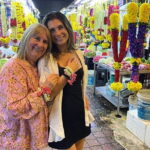
The included market tour meets at TTDI Wet Market and is led by a local guide. In the experience’s feedback, Sally is specifically mentioned for helping people understand how traditional herbs and ingredients work in real cooking. That’s the difference between reading a recipe and learning why certain flavors show up again and again in Malaysian kitchens.
In a market-focused lesson like this, you’re usually doing two useful things at once:
- getting familiar with what ingredients look like in their natural setting
- learning how herbs and spices behave once they’re cooked
That matters for dishes like nasi lemak, where coconut rice isn’t just coconut and rice. The balance comes from the supporting flavors—things you can’t fully appreciate until you see and smell ingredients in context. Same idea with stir-fried noodles like char kway teow, where aromatics and seasonings are what turn a skillet meal into the real thing.
A practical tip: wear comfortable shoes and expect to move through a real market environment. The tour isn’t staged like a museum exhibit; it’s for learning what cooks actually use.
Cooking Stations, English Instruction, and Step-by-Step Confidence
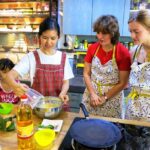
Once you’re done with the market, you get a health and safety briefing, then the real work begins. The class is described as totally hands-on, step-by-step, and taught at your own kitchen station. I like that framing because it lowers the pressure. You’re not expected to be a master cook on day one.
The instructions are in English, which makes a big difference for Malaysian cooking. Many of the key techniques—mixing, timing, and how to handle utensils—are easier when you can follow verbal explanations, not just pictures.
Because the group size is capped at 14 travelers, you’re more likely to get direct help. That’s a quiet superpower in cooking classes. If you’re halfway through mixing something and you’re not sure, you want a teacher close enough to notice.
What You’ll Cook: Char Kway Teow, Nasi Lemak, and Roti Canai
This is the part people usually book for, so it’s worth understanding what each dish typically demands and why it’s a smart mix for learning Malaysian cooking.
Char kway teow: noodles, heat, and flavor layering
You’ll cook char kway teow, which is famous for its smoky, savory stir-fry vibe. What you’ll likely learn during the cooking process is how fast the action moves—how ingredients go in stages, and how you manage heat so noodles don’t get soggy.
In a good class format, you’re not just copying a final plate. You’re building the skill of timing and seasoning in a wok-style workflow. Even if you don’t become a wok pro, you leave knowing the logic behind the flavors.
You can also read our reviews of more tours and experiences in Kuala Lumpur

Nasi lemak: coconut rice that feels like a meal
You’ll also make nasi lemak, the coconut rice dish that sits at the center of many Malaysian meals. I like including this because it teaches a foundational flavor profile: coconut richness plus complementary seasonings.
The “lesson” angle is important here. When you see ingredients in the market first, coconut rice stops being a generic side dish. You start to understand what makes it Malaysian rather than just coconut-flavored rice.
Roti canai: flaky bread with technique
Finally, you’ll cook roti canai, often linked with Indian-Malaysian culinary traditions. Bread in a class setting can feel intimidating, but the step-by-step approach helps. The real win is getting practical guidance so you understand how dough and handling leads to that signature texture.
You also get to see how this dish fits alongside the others. Noodles plus rice plus bread means you’re tasting different textures and flavor styles that Malaysians put together naturally.
Vegetarian and vegan adjustments
Vegetarians and vegans are welcome, and the class notes that ingredients can be substituted. That’s good to hear because Malaysian cooking can vary widely by region and household, and substitutions should be handled carefully—not just ignored.
If you eat plant-based, I’d keep expectations flexible. You can still get the full experience, but the class may adjust specific ingredients to meet your needs.
Lunch You Helped Make: Communal Dining, Real Satisfaction
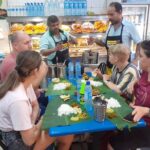
Lunch is included, and it’s the food you prepare during the cooking class. In other words, you don’t just watch your way through a meal. You’ll sit down with the dishes you worked on, plus the conversation that naturally happens in group cooking.
This is also where the experience “clicks.” When you eat your own char kway teow and nasi lemak, you understand not only flavors but also texture and doneness. It’s one of the fastest ways to turn a list of foods into something you can recognize at a restaurant later.
And because it’s a small group, the communal dining part doesn’t feel like a production line. You’re more likely to compare what worked, what you adjusted, and what you’d order next time.
If you’re the type who always wants a “local meal” instead of a tourist version, this setup is one of the more dependable ways to get it.
Price and Value in Kuala Lumpur: What You’re Paying For
At $149.96 per person, this is not the cheapest thing on the Kuala Lumpur food menu. I see the value in how the price is structured: you’re paying for a market tour, a guided class in English, all cooking ingredients and equipment, and lunch.
So the key question becomes: are you actually getting the full package you expect?
Here’s the reality check. The experience explicitly lists market tour as included, and it also lists hotel pickup and drop-off as not included. That’s a big deal for value. If you assume you’ll be picked up, the price can suddenly feel less fair once you realize you need to arrange transport on your own.
Also keep the small-group size in mind. A maximum of 14 travelers means you’re paying for instruction time and hands-on attention, not just a mass cooking demo.
If you want the best deal, plan around the meeting point and show up ready to cook. If you want a relaxing morning without thinking about transit, check carefully whether your booking includes any extras. The experience is built around meeting at the market.
Schedule, Group Size, and the Practical Stuff That Makes or Breaks It
This class is designed to run smoothly, with regular departures from Tuesdays through Saturdays and consistent start times. The fixed schedule is helpful. You can plan around it without playing guesswork games.
A few practical points that help you enjoy it more:
- Arrive early: 15 minutes is not a suggestion in a cooking class.
- Expect active time: you’ll be moving and cooking, not just sampling.
- Plan transport to TTDI: you return to the meeting point, and drop-off isn’t included.
- Come hungry-ish: you’ll learn faster when you’re ready for lunch at the end.
The class also includes a mention of group discounts and a mobile ticket, which can make coordination easier once you’re there. And because confirmation is received at booking time, you’re not left waiting around for last-minute details.
Who Should Book This Cooking Class (and Who Might Want Something Else)
I’d recommend this tour if you want a focused, hands-on introduction to Malaysian flavor—not just a one-off meal. It’s especially good if:
- you’re curious about how ingredients become dishes
- you want to cook multiple signature items, not just one
- you prefer a smaller group so you can ask questions while you cook
- you’re comfortable meeting at a local market and handling your own way there
It might be less ideal if you strongly prefer hotel pickup and don’t want to deal with transit. The experience is designed around starting at TTDI Wet Market, and ending back there.
If you’re traveling with friends or family, the small-group approach also makes it easier to have conversations with the instructors and each other without feeling lost in a crowd.
Should You Book It?
I think this one is a solid choice if you treat it like what it is: a morning food lesson in Kuala Lumpur that includes market context and a real lunch. The strongest parts are the step-by-step, hands-on cooking plus learning ingredients at TTDI Wet Market, and those are exactly the two things that help you eat Malaysian food with better instincts afterward.
If you book, do two things: plan your transport to the meeting point, and come ready to cook rather than just snack. Do that, and you’ll get more than a meal—you’ll leave with a clearer sense of how Malaysian cooking is built.
FAQ
FAQ
What time does the cooking class start and end?
The class starts at 8:30am and ends at about 1:30pm after lunch.
Where do I meet the group?
You meet at Pasar Besar Taman Tun Dr. Ismail (TTDI Wet Market), at TS37, Pasar Besar, Taman Tun Dr Ismail, 60000 Kuala Lumpur. The activity ends back at the meeting point.
Is hotel pickup or drop-off included?
No. Hotel pickup and drop-off are not included.
How big is the group?
The class has a maximum of 14 travelers.
Are vegetarians or vegans able to join?
Yes. Vegetarians & vegans are welcome, and ingredients can be substituted.
What dishes will I cook?
The class includes cooking Malaysian favorites such as char kway teow, nasi lemak, and roti canai.
What if the minimum number of travelers isn’t reached?
The tour requires a minimum of 4 pax to operate. If it’s canceled due to not meeting the minimum, you’ll be offered a different date/experience or a full refund.