REVIEW · KUALA LUMPUR
Sambal Streets Kuala Lumpur Food Tour with 15+ Tastings
Book on Viator →Operated by A Chef's Tour · Bookable on Viator
Street food at Chow Kit hits different. This 4-hour, small-group night tour sends you through old backstreets with 15+ tastings, and I like that your guide connects each bite to Malaysian culture, not just calories. I also like that it ends near the Petronas Towers, so you’re not stuck across town with a growling stomach.
The catch: it’s not suitable for vegetarians, and street food also limits options if you have severe allergies.
In This Review
- Key highlights I’d circle before you go
- Why Chow Kit Market at night is the smartest food move in Kuala Lumpur
- Route reality: start point, 4 hours, and why you should wear your best shoes
- Stop 1: Old Kuala Lumpur backstreet bites that set up the whole tour
- Stop 2: Chow Kit Market tastings you can actually smell before you see
- Stop 3: Finishing near Petronas Towers with local hospitality, not an abrupt end
- What you’ll actually eat: 15+ tastings, drinks included, and why it adds up
- Value check: is $55 really fair for a KL street food tour?
- Who should book this tour (and who should pick a different plan)
- Tips to make the evening smoother (and your stomach happier)
- Guides make a difference: names like Steve, Jay, and Kirin
- Should you book the Sambal Streets KL food tour?
- FAQ
- How long is the Sambal Streets Kuala Lumpur Food Tour?
- How many tastings are included?
- Where does the tour start and end?
- Is the tour halal?
- Is it suitable for vegetarians?
- What should I do if it rains?
Key highlights I’d circle before you go
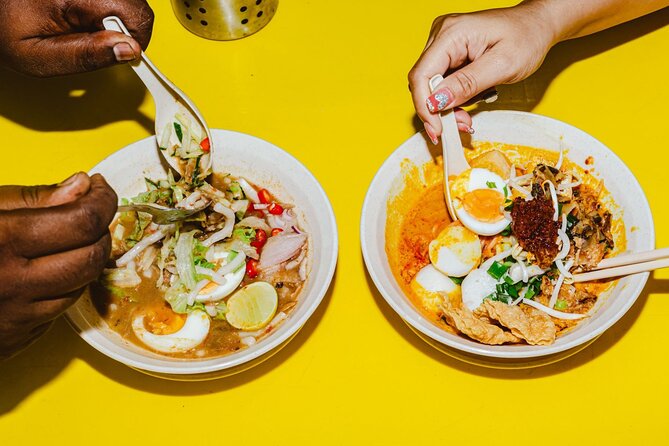
- 15+ tastings for one fixed price, so you’re not guessing what to order
- Small group of 8 max, which means your guide can actually pay attention to your pacing
- Chow Kit Market at night for real, everyday food mixes of Malay, Indian, and Chinese flavors
- Halal tour with alcohol excluded, plus bottled water and local soft drinks included
- Chef-designed route through old Kuala Lumpur backstreets, not the typical tourist shuffle
Why Chow Kit Market at night is the smartest food move in Kuala Lumpur
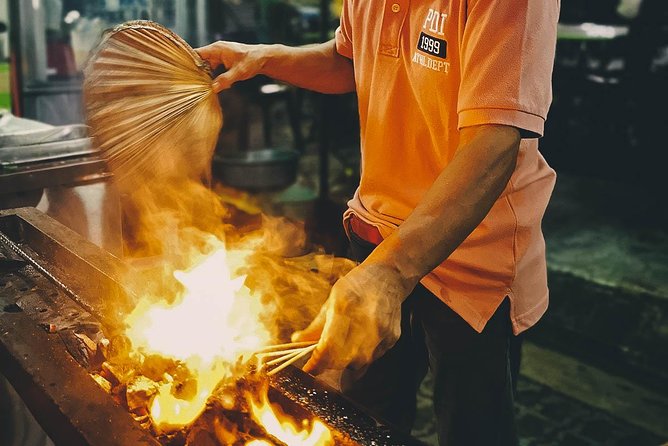
If your idea of Kuala Lumpur is towers and malls, this tour is a useful corrective. You’ll spend the evening in Chow Kit Market, a place where you’re eating the same kinds of things locals reach for after work. The best part is the logic: you aren’t just collecting snacks. You’re walking through neighborhoods and food stops that show how Malaysian street food actually works as a daily routine.
I also like the timing. An evening street food tour tends to feel more relaxed than lunch rushes. Stalls are open, smells are active, and the whole area feels awake without being shoulder-to-shoulder chaos. And because this is capped at 8 people, you usually keep a little flow going instead of stopping every 10 minutes.
One more reason I’d take this seriously: the tour is fully halal, so it’s built for visitors who want a straightforward “yes” on food rules. Bottled water and local soft drinks are included, which helps you keep moving and avoid the common problem of running out of drinks mid-walk.
You can also read our reviews of more food & drink experiences in Kuala Lumpur

Route reality: start point, 4 hours, and why you should wear your best shoes
Plan for a true walking evening. The tour runs about 4 hours, and it’s structured around multiple tasting stops instead of one long sit-down meal. That’s part of the value: you’re getting variety, not just one big dinner.
You’ll meet at Hilton Garden Inn Kuala Lumpur Jalan Tuanku Abdul Rahman South, in the Chow Kit area. The tour wraps up near the Petronas Twin Towers, ending at NZ Curry House, Lot 42, Jln Ampang. The final location matters: it’s in the part of KL many visitors want to see anyway, and your guide can help you figure out transport back if you don’t want to walk in the dark.
A couple practical notes from the experience style:
- Bring a small umbrella or rain jacket in rainy season. The tour runs in all weather.
- Wear comfortable shoes. Even when the walking isn’t constant, street surfaces can be uneven.
Also, you’ll get a mobile ticket, which is one less thing to print or lose. Pickup and drop-off from your hotel aren’t included, so you’ll want to be confident navigating to the start and then to your own plan at the finish.
Stop 1: Old Kuala Lumpur backstreet bites that set up the whole tour
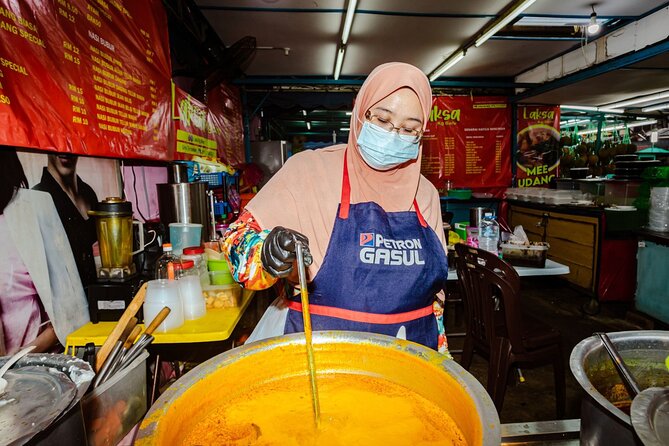
The first stretch is about getting you oriented in older Kuala Lumpur and feeding you right away. This isn’t a wait-and-see kind of tour. You start with tastings that help you understand the “why” behind Malaysian street food—how flavors layer, how sauces work, and why certain combinations are so common.
From what’s been shared about the tour approach, the route is designed by a chef and run by professional foodie guides. That chef-guided structure is a real advantage. It usually means the stops aren’t random. You’re more likely to hit a sequence of flavors that make sense, instead of bouncing between places with totally unrelated food.
What to expect here:
- Early small tastings that set your taste expectations for what comes next
- A guide who talks through ingredients and cooking styles as you go
- Time-saving choices, so you’re not spending your evening hunting for where locals eat
Possible drawback: if you’re the type who wants long explanations between bites, you may feel like the tour keeps moving. The format is fast because it’s feeding you. If you’re a slow conversationalist, you’ll need to gently steer the chat toward what you care about most.
Stop 2: Chow Kit Market tastings you can actually smell before you see
This is the heart of the tour. Chow Kit Market is where the “mix” of Malaysian food becomes obvious: Malay, Indian, and Chinese flavors can show up in the same evening. That matters because Malaysian cuisine doesn’t behave like strict single-identity food. It’s blended, shared, and adapted over time.
Expect a steady rhythm of stops where you try different things. A featured highlight you can count on is flame-grilled chicken satay with peanut sauce. That satay alone is a great anchor taste: smoky, salty, and rich enough that you can compare it to other grilled or sauced bites you’ll try later.
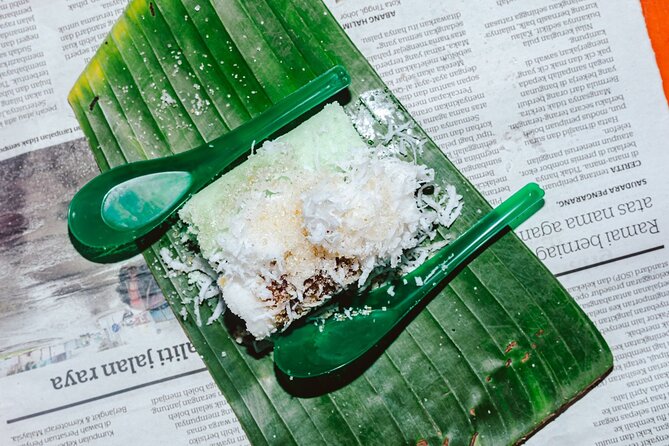
You may also see more variety beyond grilled items, especially around fruit and desserts. People have talked about first-time experiences with foods like durian, plus fruit tastings that can include mangosteen and very sweet tropical options like pineapple. Even if you don’t love every flavor, this portion is designed to broaden your KL “taste map” quickly.
A key detail I appreciate: you get personal attention from the guide because the group is capped at 8. One review-style pattern that shows up in the experience is spice adjustment. For example, guides like Jay have been described as checking spice acceptance and making sure people aren’t overwhelmed. You should still assume street food can be spicy, but you’re not just tossed into the deep end.
Could there be seating? Sometimes yes, sometimes it’s more street-stall style. The point is you’re eating from the real supply chain: where the food is cooked and served the way locals buy it.
Stop 3: Finishing near Petronas Towers with local hospitality, not an abrupt end
The tour concludes with you back in the central area, finishing near the base of the Petronas Twin Towers. That ending is practical. It means your sightseeing day doesn’t end with you stranded across town. You can also grab a view afterward, and you won’t have to rearrange your plans around a difficult meetup point at the end of the night.
The final hour is also where the guide’s explanations tend to land. By now you’ve tasted multiple styles, and the cultural connections start clicking faster. This is the moment to ask follow-up questions like:
- Why that sauce works so well with that protein
- How street food portions compare to restaurant portions
- What to order if you return to the market area on your own
One small consideration: the ending point is popular. That’s good for convenience, but it also means the area can feel busier once you’re done eating. Your job here is simple: get your bearings, take your photos calmly, then decide how you’re heading back.
You can also read our reviews of more tours and experiences in Kuala Lumpur

What you’ll actually eat: 15+ tastings, drinks included, and why it adds up
Here’s the big promise: 15+ food tastings in about 4 hours. That number matters because it turns the tour into a full dinner plan rather than an “intro sampler.” If you’ve got a picky appetite or you’re used to restaurant portions, start thinking in small bites and repeated stops.
Included in the food-and-drink equation:
- Bottled water and local soft drinks
- No alcohol as part of the tour
And based on what people have described, you might encounter a mix like:
- Grilled meats and skewers (satay is a sure highlight)
- Fruits and fruit drinks, including things people mention as standouts like mango smoothie and other tropical fruit tastings
- Indonesian/Malaysian-style staples such as nasi lemak (mentioned as a highlight in one account)
- Street snacks that can be a surprise the first time you see them, including things like durian if your group gets that stop
A memorable example from guide-style storytelling: one account mentions roti making and fresh off-the-griddle flavor. Not every tour stop has to include cooking at your hands, but it gives you an idea of the kinds of interactive street-food experiences that show up.
Dietary limits are important here. This tour isn’t suitable for vegetarians because street vendors often have limited menu options. If you’re a pescatarian, you may need to skip a tasting or two. If you have severe allergies, the tour isn’t suitable because it’s street food and cross-contact risks are real. Gluten-intolerance is listed as workable if trace amounts are acceptable, but other allergies may force some dishes to be skipped.
Spice level is another practical point. Street food in KL can go from mild to spicy quickly, so it helps that guides are attentive to comfort levels. If you’re sensitive, tell your guide early.
Value check: is $55 really fair for a KL street food tour?
At $55 per person for roughly 4 hours and 15+ tastings, you’re paying for three things at once:
- Access to stalls and backstreet food stops you might not find on your own
- A guide who helps you make sense of what you’re eating
- The sheer convenience of eating a lot without deciding menu-by-menu
Most street food experiences fail on one of those. Either they don’t feed you enough, or they dump you in tourist-heavy areas, or the guide’s role is more “walk and point” than explanation. Here, the small group size and chef-designed structure help raise the odds that you’ll get both quantity and context.
The included drinks are not trivial either. Over a 4-hour walk, water matters. You’re also getting local soft drinks, which helps you keep tasting instead of pausing to buy something expensive or inconvenient.
Is it the cheapest thing in KL? No. But it’s also not trying to be. This is a “you eat dinner with guidance” deal. If you’d otherwise spend your evening hopping between random places, paying for a guided route can end up feeling like the more relaxed choice.
Who should book this tour (and who should pick a different plan)
This tour makes the most sense if you:
- Want a street-food focused night in Kuala Lumpur
- Like walking a few blocks and eating repeatedly
- Appreciate cultural context tied to food, not just a list of dishes
- Are comfortable with spicy possibilities (and will speak up if you’re not)
It’s also a strong fit for solo travelers. A small group of 8 tends to encourage easy conversation without forcing you into a crowd scene.
Who should consider skipping or switching plans:
- Vegetarians: not suitable due to limited street menus
- Anyone with severe allergies: street food cross-contact risk is part of the reality here
- People who hate walking on uneven street surfaces: some roads can be difficult
If you’re traveling with kids or seniors, this could still work, but you’d need to judge walking comfort carefully. The experience includes tastings, but it’s not described as fully seated or slow-and-easy.
Tips to make the evening smoother (and your stomach happier)
Based on what people consistently highlight, here’s how to set yourself up:
- Go hungry, but don’t race. With 15+ tastings, it’s easy to overdo it at the first few stops.
- Wear comfortable shoes you trust on uneven streets.
- Bring rain protection even if the forecast looks okay. The tour runs in all weather.
- Tell your guide about spice and preferences early. One guide (like Jay) has been described as assessing spice acceptance and adjusting along the way.
- Expect some variability. Street food menus can change by day, so if you’re set on one exact dish, you might not get it every night. What you can rely on is the overall mix and the high-food-count structure.
If you’re a photo person, this is a nice evening for it. People have mentioned photo tips along the route, and Chow Kit plus the walk toward the Petronas area gives you scenes you can’t replicate from a single restaurant meal.
Guides make a difference: names like Steve, Jay, and Kirin
A lot of the praise comes back to guide quality. People have named guides like Steve, Jay, Stephen, and Kirin/Karin and described them as upbeat hosts who connect dishes to Malaysian food culture.
That’s more than friendliness. On a street food tour, a good guide helps you:
- understand what you’re tasting right then
- know what to try next (and what to skip)
- feel comfortable asking questions in a crowd environment
If you care about food history and ingredients, a guide who explains how dishes are made and why they matter can turn the tour from snack time into a sharper understanding of how KL eats.
Should you book the Sambal Streets KL food tour?
Book it if you want a lot of food, a small group, and an evening that’s built around real Kuala Lumpur street food rather than a tourist detour. The 15+ tastings plus included drinks make it feel like a full dinner plan, and the route ending near the Petronas Towers is a big practical win.
Skip or rethink it if you’re a vegetarian or if you have severe allergies, because this is street food with limited vendor menus and no promise of allergy-safe substitutions. Also consider your walking comfort. If uneven street surfaces are a deal-breaker for you, this may be more effort than you want.
If your goal is to leave KL with a stronger sense of what Malaysians actually eat at night, this is a solid choice—simple, filling, and guided in a way that helps you taste with understanding.
FAQ
How long is the Sambal Streets Kuala Lumpur Food Tour?
It’s about 4 hours.
How many tastings are included?
You get 15+ tastings included.
Where does the tour start and end?
It starts at Hilton Garden Inn Kuala Lumpur Jalan Tuanku Abdul Rahman South (Chow Kit) and ends near the Petronas Twin Towers at NZ Curry House, Lot 42, Jln Ampang.
Is the tour halal?
Yes, the tour is fully halal, and alcohol is excluded.
Is it suitable for vegetarians?
No, it isn’t suitable for vegetarians because street vendors have limited menu options.
What should I do if it rains?
The tour operates in all weather conditions. Dress appropriately and bring an umbrella during rainy season.