REVIEW · KUALA LUMPUR
Laksa Lanes Kuala Lumpur Food Tour with 14+ Tastings
Book on Viator →Operated by A Chef's Tour · Bookable on Viator
One street, one forkful at a time. This is how you turn Petaling Street chaos into a focused Chinatown food plan, with 14+ tastings across 4 hours and guides who keep the lines, pace, and story straight. I also like that it stays practical: you’re eating street food you’d miss on your own, not just staring at it.
One thing to plan around: this tour isn’t for vegetarians or people with severe allergies. Street vendors and shared prep space make cross-contact a real risk, so you’ll likely skip tastings if you have restrictions.
In This Review
- Key takeaways before you go
- Petaling Street backstreets: why this KL food tour works
- Central Market start point and the come-hungry strategy
- 14+ tastings in 4 hours: what you’ll actually eat
- Laksas and lala noodles: the Malay-Chinese signature you came for
- Beyond noodles: baos, char siu pows, popiah, and buttery rice
- Sweet stops: egg tart telurs, muah chee, and coffee cham
- Temples and cultural stops: food with context, not a lecture
- Guide factor: Steve, Disha, Kiran, Sam, Kash, Siddoz, Stephen
- Price and value: is $55 worth it in KL Chinatown?
- Who this tour is best for (and who should skip)
- Should you book Laksa Lanes Kuala Lumpur?
- FAQ
- How much does the Laksa Lanes Kuala Lumpur Food Tour cost?
- How long is the tour?
- How many tastings are included?
- Where do I meet for the tour?
- Is pickup or drop-off included?
- Are alcoholic drinks included?
- Is the tour suitable for vegetarians or vegans?
- What about severe allergies?
- Does the tour run in bad weather?
Key takeaways before you go
- 14+ tastings in a tight 4 hours means you can sample widely without eating a full meal first
- Max 8 guests keeps it small enough to ask questions and adjust pacing
- Malay-Chinese fusion focus puts laksas, noodles, baos, and snacks front and center
- Central Market location makes starting and finishing easy, right by Petaling Street
- Weather-ready route runs in all conditions, so pack for rain and humidity
- Guide names matter: I’ve seen Steve, Disha, Kiran, Sam, Kash, Siddoz, and Stephen lead groups with consistent praise
Petaling Street backstreets: why this KL food tour works
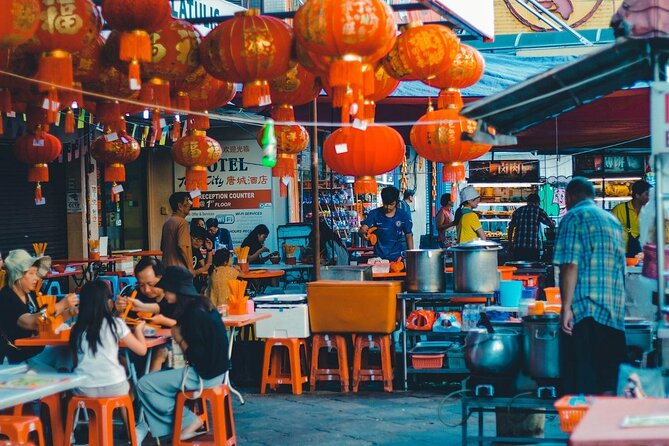
Kuala Lumpur’s Chinatown can feel like a food maze. Loud. Busy. Fast. But that’s exactly why a guided tasting route pays off. You get walked through the backstreets, where the smell of spices and frying stalls turns into a real plan instead of guesswork.
This tour is built around street food expertise. Not just the big-name dishes. You’re also getting the style of cooking shaped by Malay-Chinese history, where flavors and techniques mix over decades. That’s how you end up with signature laksas, lala noodle broth, fluffy buns, and sweet snacks that don’t taste like they came from a copy-paste menu.
The other thing I like is the restraint. It’s not a long lecture. It’s food first, then context. You’ll still learn why these dishes belong here, but you’re not being dragged through stops that have nothing to do with eating.
You can also read our reviews of more food & drink experiences in Kuala Lumpur
Central Market start point and the come-hungry strategy
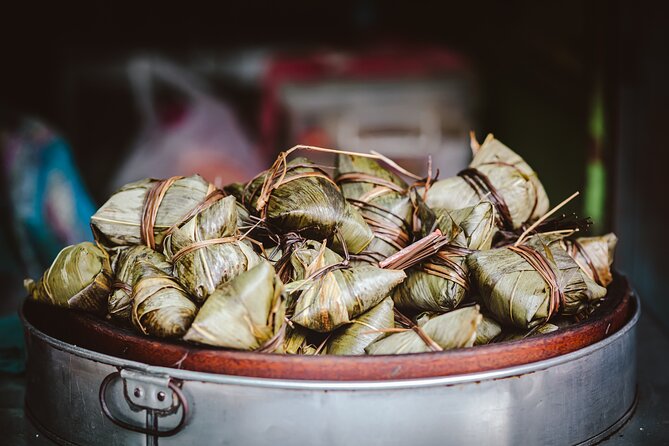
You meet at Central Market, near Petaling Street. That matters more than it sounds. Central Market is easy to find, and you’re not spending your “food time” on complicated transfers. The tour also ends back at the meeting point, which makes it simple to grab a last drink, snack, or head to your next plan.
Here’s my best advice: skip breakfast if you can. Multiple guides and many experiences emphasize the same point—there’s a lot of food, and the portions are meant for tasting, not for being polite. If you show up full, you’ll start making decisions you didn’t need to make: which stall to skip, which dish to ignore, which broth you’ll miss.
Because the group is capped at 8 travelers, pacing is part of the value. You’re not getting herded like a school bus. Guides can slow down when you need to sit, explain, or ask what’s in the dish. Even when it’s crowded outside, the tour keeps moving like a practiced route.
14+ tastings in 4 hours: what you’ll actually eat
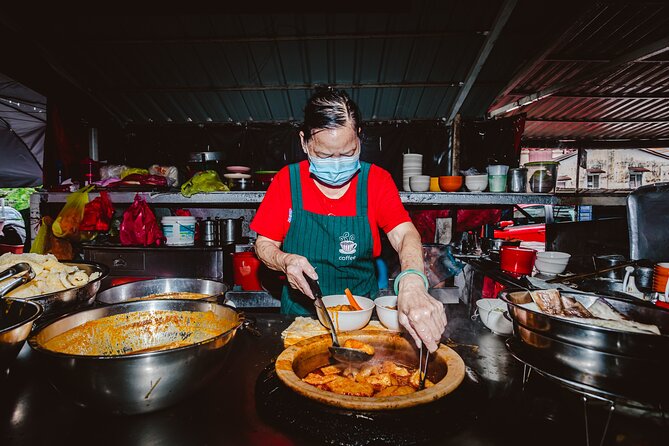
The headline is 14+ tastings. That’s not just marketing math. It’s the difference between:
- tasting a single “main” dish well, vs.
- tasting lots of small plates so you learn what each dish style is really about.
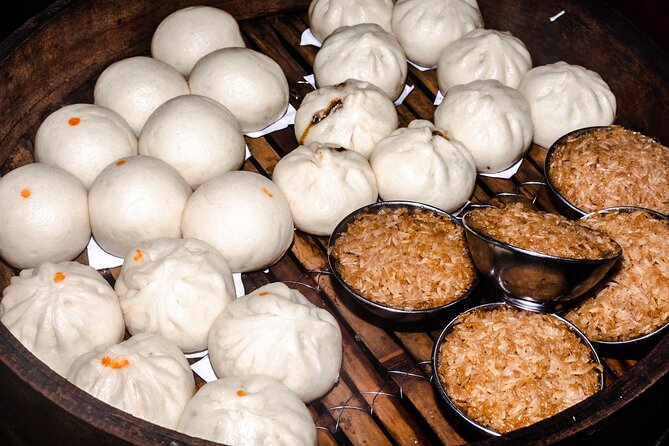
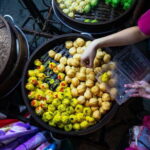
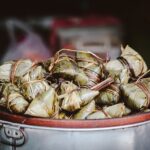
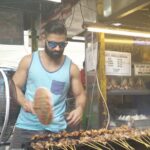
Expect variety across savory and sweet. This tour includes items like steamy bowls of lala noodles and legendary laksas, fluffy baos, baked char siu pows, snacks and bites with spice, and several classic Chinatown sweets. You’ll also get local drinks like coffee cham and desserts such as peanut muah chee from Madam Tang.
In plain terms, you should think of this as breakfast plus lunch—or brunch plus early dinner, depending on your appetite. The best part is you’re not stuck eating only one flavor family. You move between noodle broths, stuffed buns, fried/steamed snacks, and sweet finishes.
And yes, pacing matters because the route is active. You’ll be on your feet in markets and lanes. Bring comfortable shoes. If your feet hate you, your tongue won’t get a fair chance.
Laksas and lala noodles: the Malay-Chinese signature you came for
If you’re doing this tour for one reason, it’s the laksas and noodle bowls. KL is famous for spice that has depth, not just heat. In this Chinatown pocket, the Malay-Chinese fusion shows up in the broth, the way aromatics are balanced, and how toppings and noodles work together.
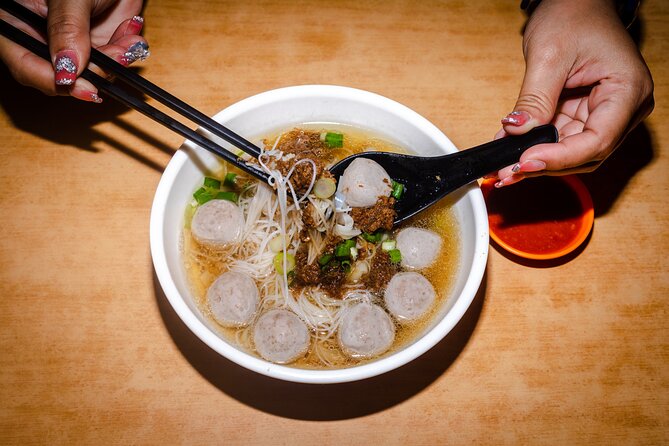
You’ll taste lala noodles—including the famous broth style that people keep bringing up as a favorite. The “lala” part is all about flavor absorbed through the cooking, with a salty, savory base that feels like comfort food even when it’s spicy.
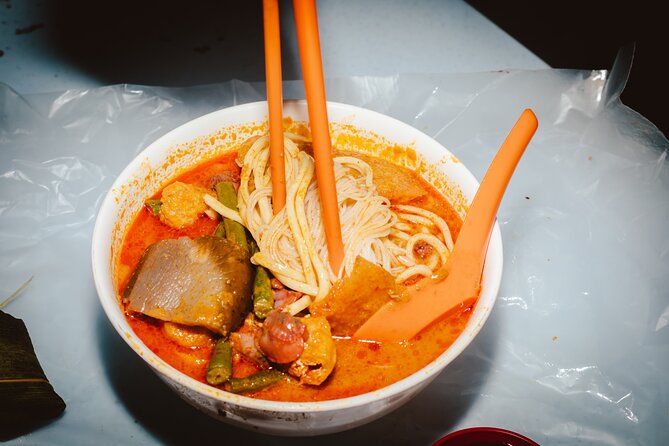
Then there are the laksas. Even within laksas, you’ll notice differences in aroma and richness. Some bowls lean into bold spice notes. Others feel more grounded and comforting. That variety is the whole point of a tasting tour: you stop guessing what you like and start learning your personal laksas truth.
Practical tip: go in expecting spice. “Plenty of spice” is part of the promise here. If spice is a mild problem for you, tell your guide early and stick to your comfort level. The tour is designed to adjust tastings when needed, but it can’t guarantee you’ll find a safe version of everything.
Beyond noodles: baos, char siu pows, popiah, and buttery rice
After the broths, the tour keeps hitting different textures. This is where you’ll taste the pocket-sized street food that makes Chinatown feel like a living pantry.
Look out for:
- baked char siu pows: warm, savory, and comfort-forward
- fluffy baos: soft buns that carry fillings without being heavy
- hand-wrapped popiahs: a crisp-soft contrast that’s fun to watch and even better to eat
- buttery rice: simple on paper, but street versions often surprise you with how satisfying they are
What I value here is learning how Chinatown snack culture works. These aren’t just food items. They’re part of how people snack and eat through the day. You get a feel for what’s common, what’s special, and how busy stalls keep things moving.
Also, because this is a guided route, you’re not standing around staring at menus written in a different rhythm. The guide handles the order, the timing, and the explanations. You just get the benefit.
You can also read our reviews of more tours and experiences in Kuala Lumpur
Sweet stops: egg tart telurs, muah chee, and coffee cham
Street food tours can fail when sweets feel random. This one doesn’t. You’re not just grabbing sugar to be done. The sweets are chosen to round out the day’s flavors—creamy, chewy, crispy, and lightly bitter where it fits.
You may find:
- egg tart telurs (a custardy, caramel-tinged Chinatown favorite)
- peanut muah chee with coffee cham (a combo that leans sweet and aromatic)
- other dessert-style bites that shift from milky to fragrant to snackable
My advice is to save room, but not to panic. Even with 14+ tastings, pacing helps you avoid that stuck-to-your-seat feeling. If you follow the come-hungry advice and you let the guide break things up, you’ll be able to enjoy the sweets instead of tolerating them.
And if you’re thinking about photos: do it after the first few bites. The sweets go fast at small stalls, and you don’t want to spend your craving period shooting your camera instead of tasting.
Temples and cultural stops: food with context, not a lecture
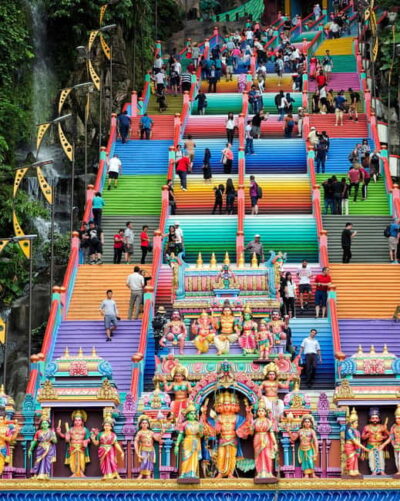
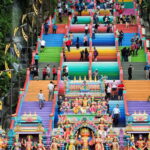
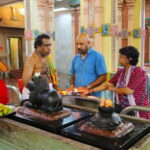
Food is the star here, but you also get cultural stops. Some routes include temple visits—Chinese and Indian temples have shown up in guide-led itineraries—so you get a sense of how different communities shape Chinatown’s daily life.
This doesn’t turn into a museum tour. It’s more like a short “why this matters” moment. You’ll learn what you’re seeing and how it connects to the food world you’re tasting—family recipes, community gatherings, and the role of stalls in neighborhood routines.
I like this approach because it keeps the tour grounded. You’re not just collecting dishes. You’re understanding why these dishes are still made, still sold, still loved.
Guide factor: Steve, Disha, Kiran, Sam, Kash, Siddoz, Stephen
One reason this tour earns such strong marks is the human part. The guides aren’t just calling out what you’ll eat. They explain what makes each dish tick and they keep the group moving at a pace that works.
From the guides I’ve seen referenced in the feedback, names like Steve, Disha, Kiran, Sam, Kash, Siddoz, and Stephen pop up again and again. People praise them for:
- giving clear food and area context
- handling questions well
- pacing tastings so you don’t feel stuffed
- keeping the walk entertaining and not stiff
That last point matters. A Chinatown food route can get overwhelming fast. A good guide acts like a translator: between languages, between spicy comfort food and your comfort level, and between busy streets and an organized path.
If you’re the type who loves asking what something tastes like or why it’s prepared a certain way, this small group setup makes that easier.
Price and value: is $55 worth it in KL Chinatown?
At $55 per person, you’re paying for three things:
- Quantity: 14+ tastings is the big value lever.
- Time saving: you don’t have to spend your day figuring out where to go, which stalls are good, or what to order.
- Small-group attention: max 8 travelers means less crowd pressure and more guidance.
Most food tours sell “a few bites.” This one sells a lot more than that. Add in bottled water and local soft drinks included, and you’re not constantly buying every step of the way.
It’s also good to know what’s not included: alcohol is excluded, and there’s no hotel pickup or drop-off. So budget your own transit to Central Market. The good news is the start/end point is right where you want to be if you’re exploring Chinatown anyway.
If you’re the kind of person who hates wasting time hunting for food, this price starts looking more like a convenience fee with a snack payout.
Who this tour is best for (and who should skip)
This tour is best for you if:
- you want a high-food-density way to experience KL Chinatown
- you’re curious about Malay-Chinese fusion dishes like laksas and lala noodles
- you like guided pacing so you can try more without overthinking
- you enjoy learning a bit of local context while eating
Skip it if:
- you’re vegetarian or vegan, because street vendor limitations mean many tastings won’t work
- you have severe allergies, because cross-contamination risk can’t be fully controlled in street settings
- you need a very controlled diet where every bite is guaranteed safe
Also, if you hate spicy food, don’t assume you can just remove the spice and still get the same experience. The tour includes dishes with plenty of spice, so it’s smarter to be upfront with your guide about your comfort level early.
Should you book Laksa Lanes Kuala Lumpur?
I’d book it if you want an efficient, small-group way to eat your way through Chinatown with real flavor variety and guides who keep things moving. The “come hungry” vibe is real, the tastings are substantial, and the focus on laksas, lala noodles, and classic snacks gives you a strong overview of what Kuala Lumpur street food can feel like when it’s done right.
I’d think twice if you’re avoiding meat-based foods or you have severe allergies. This tour doesn’t pretend to be allergy-proof, and it won’t be the right choice for strict vegetarian needs.
FAQ
How much does the Laksa Lanes Kuala Lumpur Food Tour cost?
It costs $55.00 per person.
How long is the tour?
The tour runs for about 4 hours.
How many tastings are included?
The tour includes 14+ food tastings.
Where do I meet for the tour?
The tour starts at Central Market, Kuala Lumpur City Centre, 50050 Kuala Lumpur, Federal Territory of Kuala Lumpur, Malaysia, and ends back at the meeting point.
Is pickup or drop-off included?
No. Pick up and drop off from your hotel is not included.
Are alcoholic drinks included?
No. Alcoholic drinks are excluded. Bottled water and local soft drinks are included.
Is the tour suitable for vegetarians or vegans?
No. The tour isn’t suitable for vegetarians or vegans due to limitations of street vendors.
What about severe allergies?
The tour isn’t suitable for severe allergies due to the risk of traces and cross-contamination. Other allergies may require some tastings to be missed.
Does the tour run in bad weather?
Yes, it operates in all weather conditions. You should dress appropriately and bring an umbrella if rain is likely.