REVIEW · KUALA LUMPUR
New Malaysian Kitchen Cooking Class and Garden Tour
Book on Viator →Operated by New Malaysian Kitchen · Bookable on Viator
Cook street food where herbs grow nearby. This New Malaysian Kitchen experience puts you in a real family home just outside Kuala Lumpur, guided by Sara Khong, for a morning that blends an edible garden tour and hands-on Malaysian cooking. You get to see where ingredients come from, then use them right away in classic street-food dishes.
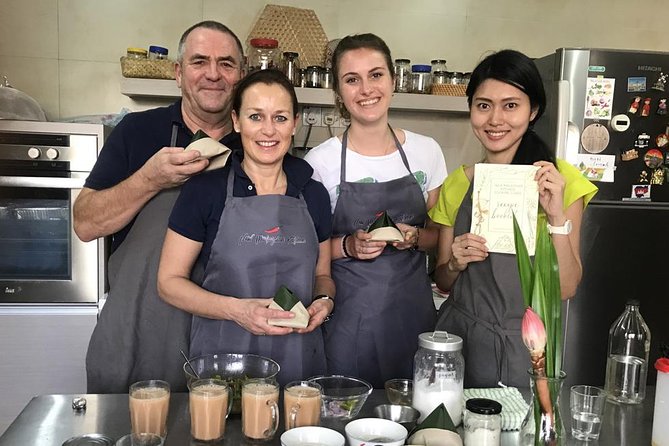
I especially like the small group size of six, which keeps the class practical and personal instead of lecture-style. I also like that you make five dishes you choose, then leave with a recipe booklet and a proper meal to eat while you chat about Malaysian food and daily life.
One consideration: it runs Monday–Friday mornings (9:00 AM–1:00 PM), so if your trip lands on a weekend or later in the day, you may have trouble matching schedules. The price is also on the higher side, so you’ll want to feel confident you’ll cook and eat enough to justify it.
In This Review
- Key reasons this class works so well
- Entering a rural kitchen just outside Kuala Lumpur
- Flower tea and the garden walk that teaches you the ingredient logic
- A small group with one-to-one help from Sara Khong
- You choose five dishes: street-food technique, not just one signature meal
- Why multiple dishes is better than one
- The “real kitchen” advantage
- The meal with the family: what you learn after the cooking
- Recipe booklet: your shortcut to cooking again at home
- Price and value: $150 for five dishes, small-group coaching, and the garden
- Best for who? The travelers who get the most out of it
- Practical tips so your morning runs smoothly
- Should you book this New Malaysian Kitchen cooking class?
- FAQ
- What is the duration of the cooking class and garden tour?
- How many people are in the class?
- Who hosts the cooking class?
- What do you do during the garden tour?
- How many dishes do you cook?
- Do you get anything to take home?
- What time does the class run?
- How does cancellation work if you need to change plans?
Key reasons this class works so well
- Flower tea start + garden tour before cooking so ingredients make sense, not just taste good
- Maximum six people for hands-on help and real Q&A with Sara Khong
- Your choice of five dishes gives you control over what you learn
- A garden with 50+ herbs, spices, and flowers used in everyday Malaysian cooking
- Take-home recipe booklet so you can repeat what you made at home
- Family-style meal at the end that turns cooking into culture, not just a demo
Entering a rural kitchen just outside Kuala Lumpur
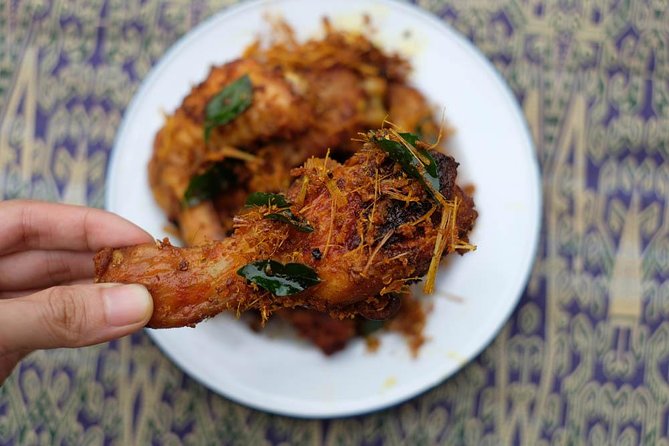
This is the kind of cooking class you take when you want more than a plate of food and a few recipes copied from a card. The setting is outside Kuala Lumpur in a neighborhood that feels like a home base rather than a tourist workshop. You start in the morning, meet at New Malaysian Kitchen at No. 2, Jalan 11, Taman Len Seng (56000), and the activity ends back at the meeting point.
The time window matters. At about four hours, it’s long enough for a proper hands-on cooking flow, plus a garden tour and a meal. It’s short enough that you don’t feel stuck all day without a break.
And yes, it’s family-run in spirit. Sara Khong welcomes you to her home, and the vibe you’re aiming for is warm and practical: learn, taste, adjust, and then eat what you make. That tends to be the difference between a fun class and one that actually changes how you cook later.
You can also read our reviews of more cooking classes in Kuala Lumpur


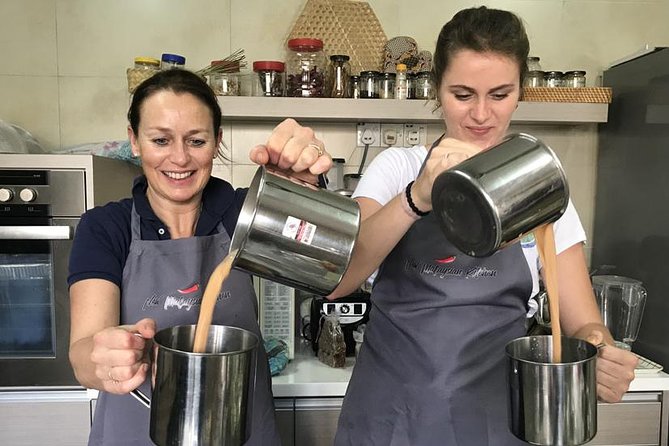
Flower tea and the garden walk that teaches you the ingredient logic
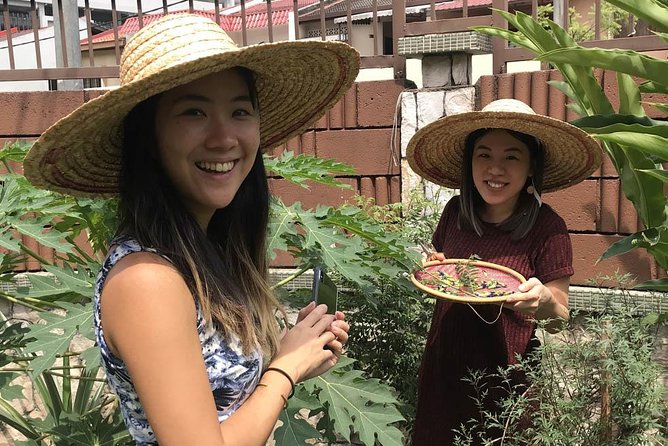
You begin with a glass of flower tea, then you head out to an organic edible garden with more than 50 herbs, spices, and flowers used in everyday cooking. This is not a quick photo stop. It’s a chance to see, touch, smell, and taste plants like turmeric and curry leaves, which makes later cooking feel straightforward rather than mysterious.
Here’s why this part is smart: Malaysian cooking often depends on a few key aromatic ingredients, and many visitors only recognize them once they’re already cooked into a dish. By meeting the plants first, you build a mental map. When you later measure spices or choose what to add, you understand what each ingredient is supposed to do.
Also, garden walks are one of the easiest ways to learn without pressure. You’re not hunched over a cutting board yet, so you can ask questions early. You can also slow down and observe how people treat herbs as daily ingredients, not fancy garnishes.
A small group with one-to-one help from Sara Khong
The class is limited to six travelers, which is a huge deal for a hands-on course. In a bigger group, one person gets help and the rest watch. Here, you’re more likely to get direct feedback while you chop, stir, taste, and adjust.
Sara Khong is a professional cook and author of four Malaysian cookbooks, and that shows in how she teaches. The reviews point to clear, patient explanations and attentive guidance, which is what you want if you’re not already comfortable with spices, simmering times, or ingredient prep.
You should also expect a friendly pace. Malaysian street food is all about balance—salt, spice, acid, sweetness, and aroma—and that takes a little tasting along the way. When the group is small, it’s easier to slow down and get it right without rushing.
You choose five dishes: street-food technique, not just one signature meal
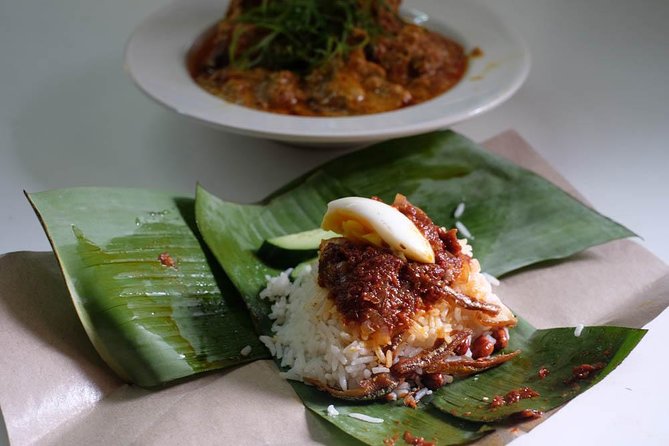
In the kitchen, you’ll make five Malaysian dishes of your choice. The theme is street food, but the real value is learning how the building blocks work. The class isn’t just about producing one impressive plate. It’s about learning methods you can apply again at home.
Examples of dishes you might choose (based on what people have made in past sessions) include items like:
- Nasi Lemak
- Chicken Rendang
- Teh Tarik
- Ondeh-Ondeh
- bean-based salads (people have made options like four angled bean salad)
Not every session will match every list, since your selection matters. But the overall idea is consistent: you’ll cook multiple dishes that cover different textures—crispy, saucy, chewy, drinkable, and sweet.
Why multiple dishes is better than one
If a class only teaches one recipe, you can still walk away impressed. But you might only recreate that one dish and still feel lost about the rest. With five dishes, you get a wider skill set:
- You practice savory spice blends and aromatic bases.
- You learn what to do with fresh herbs and leaves.
- You see how Malaysian cooking handles sweetness and richness in desserts and drinks.
- You get experience with timing across dishes, which is how home cooking stays realistic.
You can also read our reviews of more tours and experiences in Kuala Lumpur



The “real kitchen” advantage
This takes place in a Malaysian kitchen, not a staged demo area. That means you’re more likely to learn practical steps—what tools are used, how ingredients are handled, and how the cooking flow actually moves in a home setup.
One review even described the prep as hands-on and practically from scratch. If that’s your style, you’ll likely appreciate it.
The meal with the family: what you learn after the cooking
When you finish cooking, you sit down and enjoy a delicious shared meal. This isn’t just about eating what you made. It’s also the moment when the experience becomes social and cultural.
You’ll chit-chat with the local family about Malaysian food, culture, and lifestyle. That part can be surprisingly helpful, because you’ll often get context that doesn’t fit neatly into recipe instructions. For example:
- why certain flavors show up repeatedly,
- how family cooks think about leftovers,
- and what ingredients matter most for authenticity.
Even if you’re only planning to cook at home occasionally, this kind of cultural context makes recipes feel less like foreign instructions and more like workable home cooking.
Recipe booklet: your shortcut to cooking again at home
You receive a recipe booklet, which matters more than it sounds. Cooking classes often end with a good time and a fuzzy memory. A booklet helps you recreate the food while your spice tastes and ingredient choices are still fresh in your head.
Because you choose your dishes, the booklet becomes directly relevant. You’re not stuck with recipes you never planned to cook.
If you’re the type who likes to practice one new thing per week, five dishes is a great payload. You can cook one dish soon, then pick another when you feel ready.
Price and value: $150 for five dishes, small-group coaching, and the garden
Let’s talk about money honestly. At $150 per person for about four hours, this isn’t a bargain-basement cooking class. But value isn’t only about cost—it’s about what you walk away with.
Here’s what you get for that price:
- A small group of six (more direct attention).
- A garden tour with 50+ usable plants (part learning, part inspiration).
- Hands-on cooking of five dishes you choose (not just watching).
- A recipe booklet (so the class continues after you leave).
- A meal you eat together (so you’re not paying for instruction and then searching for lunch).
If you compare this to demo-based classes that teach fewer dishes or require you to do the hard work on your own, the cost starts looking more fair. It’s also booked fairly ahead on average (about 32 days), which usually means people who want this particular style tend to plan.
Best for who? The travelers who get the most out of it
This is a great match if you:
- like cooking and want hands-on practice,
- prefer small-group attention over crowds,
- enjoy ingredient-based learning (seeing plants first, cooking second),
- and want Malaysian street-food dishes you can actually cook at home.
It’s also ideal for couples or small friend groups. The group cap means you can make conversation, but it won’t feel like a loud bus tour.
If you’re visiting Kuala Lumpur and you want one truly local, non-bus experience, this fits that goal well. The setting—family home, garden, real kitchen—has a lived-in feel.
Practical tips so your morning runs smoothly
Timing is key. The class starts in the morning and runs Monday through Friday within the listed hours of 9:00 AM to 1:00 PM. Plan your day around it so you don’t end up rushing from another activity.
Since you’re going to be in a garden and then cooking, wear something comfortable for both. You’ll likely do a bit of moving, tasting, and chopping.
Also, since dishes are chosen, think ahead about what you want to learn. If you’re a curry lover, you might steer your choices toward dishes like rendang. If you want drinks and sweets, you can aim for items like teh tarik or ondeh-ondeh.
And bring curiosity. The whole format rewards you when you ask why something is added, when it’s added, and what it tastes like at different stages.
Should you book this New Malaysian Kitchen cooking class?
Book it if you want a small, friendly class that teaches Malaysian street-food techniques with real ingredient context. The combination of Sara Khong’s instruction, a 50+ plant garden tour, and hands-on cooking of five dishes you pick is exactly the kind of experience that tends to stick with you after the trip.
Skip it (or look for alternatives) if you only travel on weekends or you need an afternoon schedule. Also, if you’re hoping for a low-cost class, this may feel steep. But if you want value through attention, cooking time, and take-home recipes, it’s hard to beat.
FAQ
What is the duration of the cooking class and garden tour?
The experience lasts about 4 hours.
How many people are in the class?
The activity has a maximum of 6 travelers.
Who hosts the cooking class?
The class is hosted by Sara Khong, a professional cook and author of four Malaysian cookbooks.
What do you do during the garden tour?
You tour an organic edible garden with 50+ herbs, spices, and flowers, and you can see, touch, smell, and taste different plants used in cooking.
How many dishes do you cook?
You cook five Malaysian food items that you choose.
Do you get anything to take home?
Yes, you receive a recipe booklet.
What time does the class run?
The listed hours are Monday to Friday, 9:00 AM to 1:00 PM.
How does cancellation work if you need to change plans?
You can cancel for a full refund if you cancel up to 24 hours in advance of the experience start time; cancellations made later than that are not refunded.