REVIEW · KUALA LUMPUR
From Kuala Lumpur: Full-Day Historical Tour of Malacca
Book on GetYourGuide →Operated by Travelvago · Bookable on GetYourGuide
Malacca’s past hits fast on day one. This full-day trip from Kuala Lumpur lands you on foot and on viewpoints fast, with major stops like Stadthuys on Red Square and the panoramic high ground at St. Paul’s Hill. You’re not just looking at pretty buildings—you’re walking through the city’s layers in a tight, one-day format.
I also love the day’s contrast: Antique Avenue on Jonker Street gives you old-world street energy, then you slow down at Cheng Hoon Teng, a Chinese temple tied to Taoism, Confucianism, and Buddhism. The one real tradeoff is logistics—the road time back to Kuala Lumpur can get stretched by traffic, so build in patience and wear comfortable walking shoes.
In This Review
- Key things that make this Malacca day trip work
- Malacca in one day: what this tour gets right from Kuala Lumpur
- The ride and pacing: a long day, but it’s planned
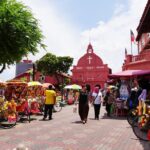
- Stadthuys and Red Square: the anchor stop for first-timers
- St. Paul’s Hill and St. Paul’s Church: views with real time-layer clues
- Jonker Street and Antique Avenue: where history turns into street life
- A Famosa: European remains you can stand in front of
- Cheng Hoon Teng: a calm temple stop that rounds out the story
- About Admiral Cheng Ho: why that stop is more than a name
- The guide can make or break the day (and Aru is a great example)
- Price and value: is $119 per person fair for this setup?
- Who this tour suits best (and who might want a different plan)
- Should you book the full-day historical tour of Malacca from Kuala Lumpur?
- FAQ
- How long is the Malacca historical tour from Kuala Lumpur?
- Where does hotel pickup happen?
- Does the tour include lunch?
- Are entrance fees included?
- What language is the guide/driver?
- Is the tour wheelchair accessible?
- How much walking is involved?
- What stops are included in the sightseeing?
- What if my plans change?
Key things that make this Malacca day trip work
- Pickup and return from your KL hotel keeps the day simple and stress-light
- Stadthuys + St. Paul’s Hill gives you both landmark architecture and sweeping views
- Jonker Street Chinatown time helps you browse and snack around Jonker Street’s antique and craft lanes
- A Famosa puts you in front of one of Southeast Asia’s oldest surviving European architectural remains
- Cheng Hoon Teng adds a quieter, spiritual stop that rounds out Malacca’s Chinese heritage
- A Cheng Ho-related stop gives context to Malacca’s historical ties beyond just the Portuguese and Dutch era
Malacca in one day: what this tour gets right from Kuala Lumpur
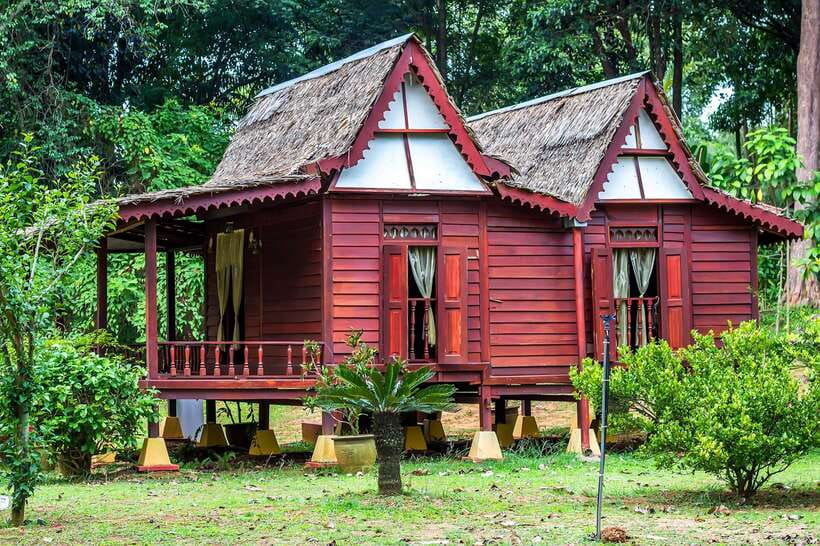
Malacca (Melaka) is the kind of city that feels like it should take more than a day. Forts, churches, temples, trading history, and street life all sit close together, which is why a one-day tour can still feel worthwhile if the pacing is smart. This tour starts with convenience—pickup from Kuala Lumpur in an air-conditioned vehicle—and then shifts to walking and sightseeing so you actually see the old parts, not just pass them from the highway.
The best value here is that you get a curated route: key European-era landmarks like Stadthuys and A Famosa, plus Chinese cultural stops like Jonker Street and Cheng Hoon Teng. If you’re limited to one day in the region, this mix helps you cover multiple chapters of Malacca without spending the afternoon trying to connect transport on your own.
You can also read our reviews of more historical tours in Kuala Lumpur
The ride and pacing: a long day, but it’s planned
This is a full-day outing, so expect a “morning out, evening back” rhythm. You’ll start with hotel pickup in Kuala Lumpur, ride to Malacca by coach, then spend time moving between photo stops and walking segments in the city. The itinerary is structured enough that you won’t waste time figuring out directions, but it also means you’ll be on the move for much of the day.
Here’s the practical consideration: the Kuala Lumpur return can be slower than expected if traffic thickens. One traveler even called out that the trip back to the city was terrible. That’s not a reason to skip—just a reason to plan dinner later than you’d like, keep expectations flexible, and avoid booking anything right after you’re dropped back.
Also note the walking: it’s described as moderate. Bring good walking shoes, especially because you’ll likely be on sidewalks and in and out of small public areas where surfaces can vary.
Stadthuys and Red Square: the anchor stop for first-timers
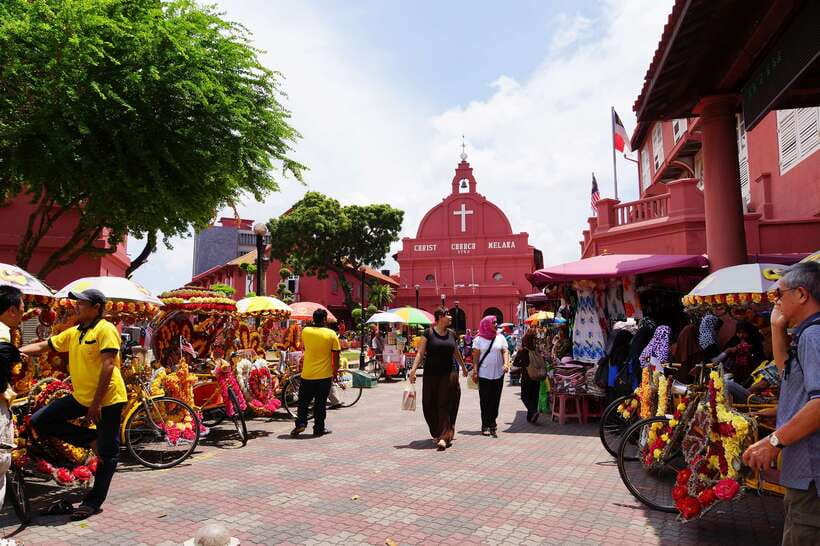
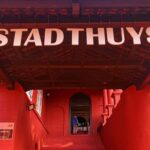
The tour kicks off in the historic core at Stadthuys, right on Red Square. This is one of Malacca’s best “start here” landmarks because it gives you a clear visual reference for the rest of the old city. It’s the kind of place where you can stand for a few minutes, take photos, and quickly understand why Malacca became such a strategic trading hub.
Why it matters for you: Stadthuys is a shortcut to context. Seeing a major colonial-era civic building at the center of town helps everything else feel connected when you move on. Even if you’re not a museum person, this is a solid, low-effort stop that pays off later in the day when you start noticing details like building styles and the layout of surrounding streets.
A small planning tip: because this is early in the schedule, it’s a good moment to reset—use the time to grab water, check your phone map one time, and set your “photo strategy” so you’re not scrambling later.
St. Paul’s Hill and St. Paul’s Church: views with real time-layer clues
Next comes St. Paul’s Hill, which provides a panoramic look over Malacca and the surrounding region. On the hill you’ll also find St. Paul’s Church, described as the oldest church building in Southeast Asia, and you’ll be part of the Malacca Museum Complex area.
This stop is more than sightseeing views. High ground is where you start to grasp how cities grow around waterways and trade routes. From here, the city’s layout clicks in your head, and you can better connect what you’re seeing—fortifications, old streets, and cultural neighborhoods—with why they were built where they were.
One consideration: if you don’t love steps or uphill walking, you may want to pace yourself at the hill. The good news is that this is still a single stop rather than a long trek across multiple hills, so you can recover afterward.
Jonker Street and Antique Avenue: where history turns into street life
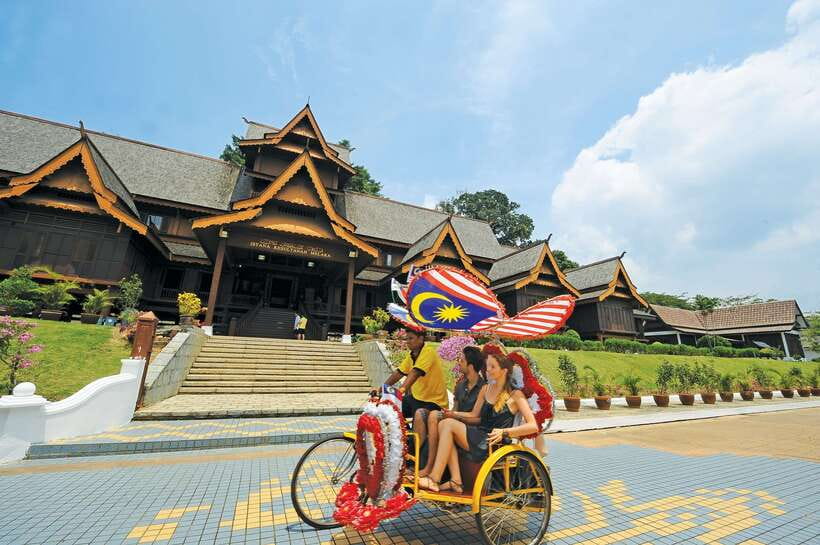
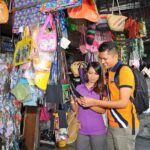
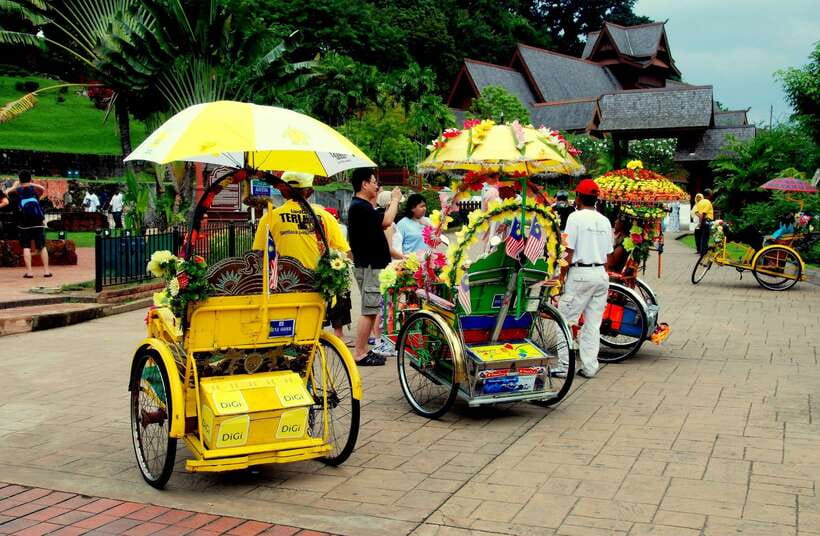
After lunch time on your own expense, the tour heads to Jonker Street, known as the center of Chinatown. Once famous for antiques, Jonker Street today includes clothing and craft outlets as well as places to eat, so it works whether you want souvenirs or just a good walk-and-look.
This is the part of the tour where you’ll probably feel Malacca most directly as a living city. You’re not only viewing historic structures; you’re browsing on a street that still trades in everyday goods. Antique Avenue is an easy area to wander slowly, compare prices, and grab small snacks if your stomach is ready for it.
A practical angle: since meals aren’t included and you’ll have a break for lunch, treat this as a chance to eat like a local instead of just hunting for a tourist set menu. If you’re budget-minded, plan to eat from stalls or casual eateries. If you’re short on time, choose something quick here so you still have room for the later stops.
Also, if you’re picky about shopping, go in with a simple plan: pick one or two categories (say, crafts or textiles) and limit yourself. Otherwise Jonker Street can swallow your attention and your schedule.
You can also read our reviews of more tours and experiences in Kuala Lumpur

A Famosa: European remains you can stand in front of
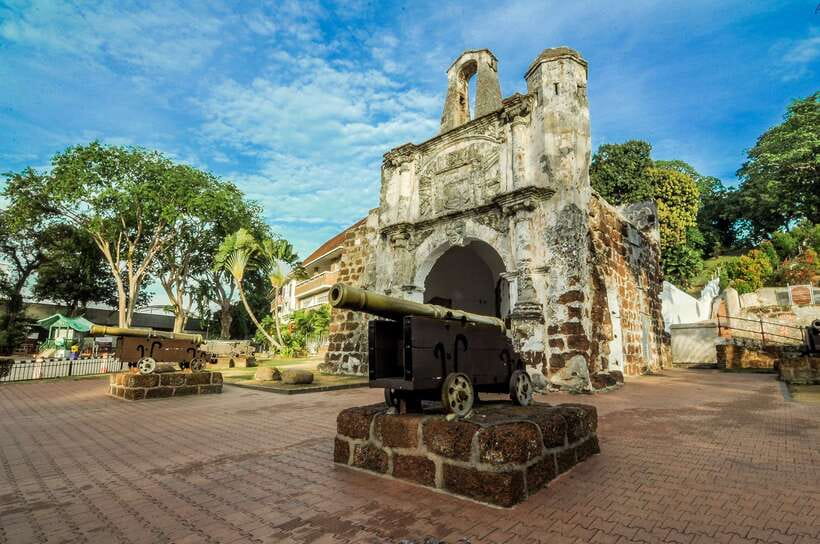
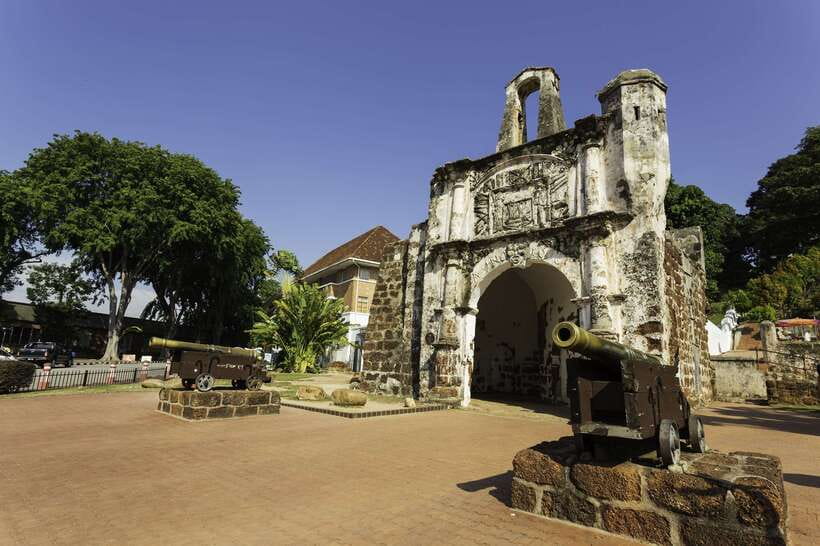
Then you’ll visit A Famosa, a fortress site described as among the oldest surviving European architectural remains in Southeast Asia. This stop matters because it’s physical—stone and structure—so you can see the scale of the European footprint in Malacca.
When you’re in front of A Famosa, the payoff is perspective. Many places in Southeast Asia have layered eras, but fortresses make those layers obvious. You can walk around, take photos, and connect the idea of defense to the broader story of who controlled trade at different times.
The best approach here is to take your time for photos, but don’t overstay if you’re starting to feel that day-long coach fatigue. It’s easy to lose track of time when the photos look great. Keep an eye on your guide and return to the vehicle on schedule so you don’t end up stressed later in the day.
Cheng Hoon Teng: a calm temple stop that rounds out the story
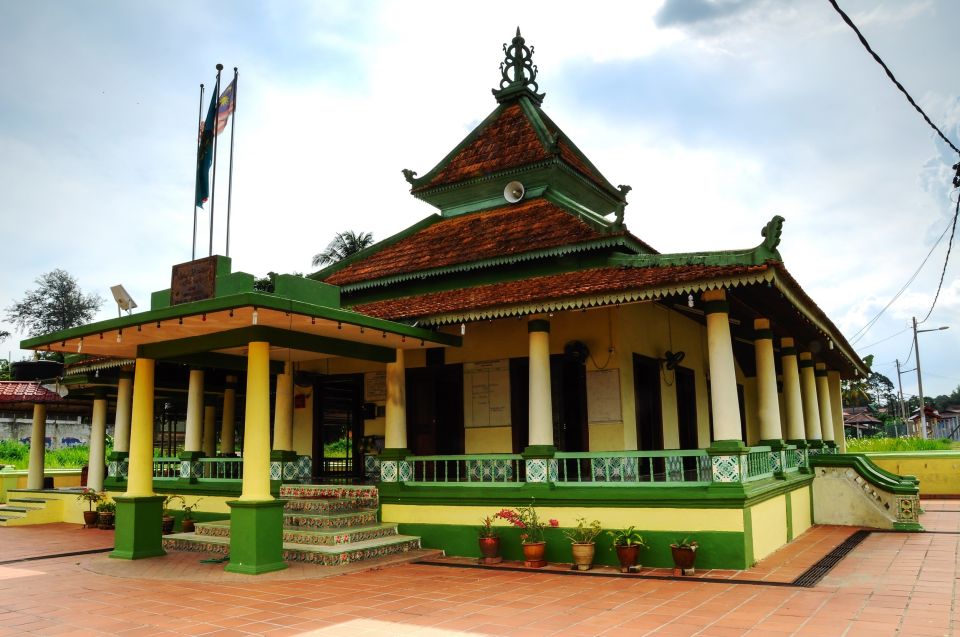
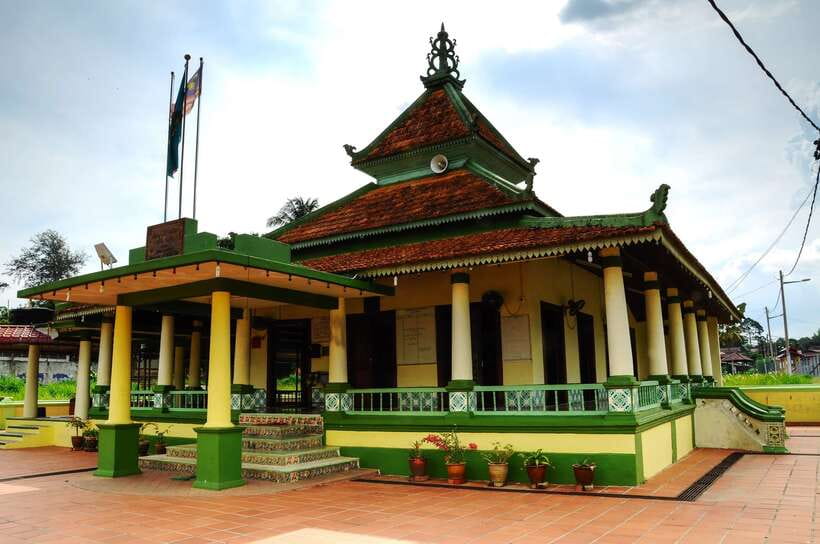
The tour finishes with Cheng Hoon Teng, a Chinese temple practicing the Three Doctrinal Systems of Taoism, Confucianism, and Buddhism. It’s a quieter shift from the heavier landmark sites and shopping streets, and that’s a good thing for your day.
Why it works: a tour that includes only forts and churches can feel lopsided. Cheng Hoon Teng adds a different kind of Malacca—belief systems, rituals, and community space—so your understanding is more complete. Even if you don’t know much about the doctrines, you’ll still appreciate that this is an active cultural place, not just a photo stop.
If you want to be respectful, keep your voice down and dress appropriately for a temple environment. This is also where your walking day feels less intense, so use it to slow down and recharge before the drive back.
About Admiral Cheng Ho: why that stop is more than a name
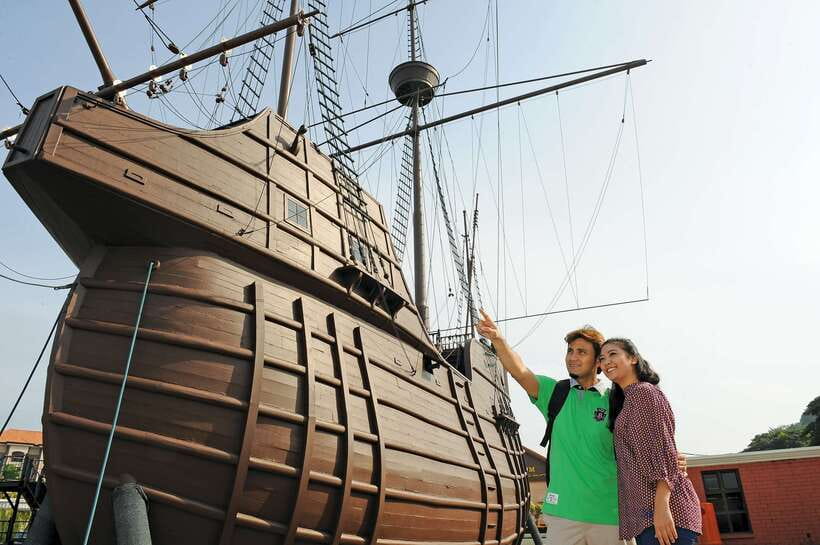
One of the highlights is seeing Admiral Cheng Ho’s final resting place. This is a significant historical thread because it connects Malacca to the broader maritime story of trade, diplomacy, and movement across the region. You’ll likely get some guidance on how this figure relates to Malacca’s past, which helps you avoid treating the city like a set of unrelated buildings.
In a day tour, these “named history” stops are important. They help you connect what you’re looking at to a bigger narrative, so you leave with more than photos—you leave with a clearer mental map of why Malacca matters.
The guide can make or break the day (and Aru is a great example)
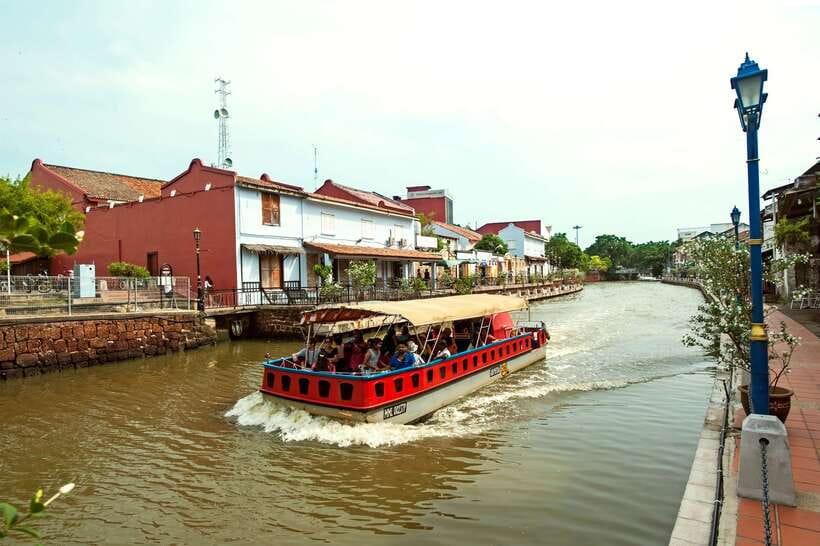
What really elevates this kind of day trip is the guide’s storytelling. One standout experience mentioned a guide named Aru as very great—someone who explained Malaysian culture and history clearly and stayed helpful throughout. That kind of guidance can turn a simple stop list into a set of meaningful connections.
Even when the route is fixed, good explanations help you notice details you’d otherwise miss: why a building was placed where it was, what a street name signals, or what a temple’s role is in the community. If your guide is strong, you’ll walk out feeling like you understood Malacca, not just visited it.
Price and value: is $119 per person fair for this setup?
At $119 per person, you’re paying for several things that are hard to replicate easily on your own: hotel pickup and drop-off from Kuala Lumpur, an English-speaking driver/guide, full-day transport in an air-conditioned vehicle, and guided walking time through Malacca’s main historical areas.
What’s not included matters for your total cost. Entrance fees aren’t included, and you’ll also pay for lunch and other food and drinks yourself. That means your final trip spend might be higher than the sticker price once you add admissions and meals.
That said, value often comes from time saved. If you’re coming from Kuala Lumpur and want a structured one-day route, this tour is built to reduce planning stress and eliminate transport coordination. If you’re the type who loves spending time wandering freely and you’re comfortable arranging your own transport, you might find a cheaper route. But if you want a guided day that hits the main landmarks without decisions, this price can make sense.
Who this tour suits best (and who might want a different plan)
This tour is best for you if:
- You want a one-day Malacca overview from Kuala Lumpur
- You like walking in historic areas but don’t want to figure out transport between sites
- You enjoy cultural variety—fortress, churches, Chinatown streets, and a temple
It may not be the best fit if:
- You’re very sensitive to long road days and the possibility of traffic delays on the way back
- You want deep museum time or a slower, more open-ended pace (this tour is structured)
- You dislike moderate walking or uphill stretches like St. Paul’s Hill
If you can spare two days in Malacca, you’ll likely be able to linger more. But if your schedule is tight, this day trip gives you a clear sampler of what Malacca is about.
Should you book the full-day historical tour of Malacca from Kuala Lumpur?
I’d book it if you’re staying in Kuala Lumpur and you want one solid shot at Malacca’s big-name historical and cultural stops without the stress of arranging everything yourself. The mix of Stadthuys, St. Paul’s Hill, Jonker Street, A Famosa, and Cheng Hoon Teng hits the main parts of the story in a way that’s hard to recreate casually in a single day.
I’d think twice if your trip is ultra time-sensitive or you hate coach travel. Plan for the road back to take longer than you expect, and treat lunch and entrance fees as extra budget.
If you do book, bring good shoes, keep your phone charged for photos and navigation, and lean into the guide’s explanations—on the best days, that’s what turns a list of stops into a real understanding of Malacca.
FAQ
How long is the Malacca historical tour from Kuala Lumpur?
The duration is 1 day (a full-day sightseeing schedule).
Where does hotel pickup happen?
Pickup is included from Kuala Lumpur hotels only.
Does the tour include lunch?
Lunch is not included. You’ll have a break for lunch at your own expense.
Are entrance fees included?
No. Entrance fees are not included.
What language is the guide/driver?
The tour includes an English-speaking driver/guide.
Is the tour wheelchair accessible?
Yes, it’s listed as wheelchair accessible.
How much walking is involved?
There is a moderate amount of walking, so wear good walking shoes.
What stops are included in the sightseeing?
Key stops include Stadthuys (Red Square), St. Paul’s Hill and St. Paul’s Church area, Jonker Street (Antique Avenue/Chinatown), A Famosa, and Cheng Hoon Teng, plus a stop related to Admiral Cheng Ho.
What if my plans change?
Free cancellation is available up to 24 hours in advance for a full refund.