REVIEW · KUALA LUMPUR
Kuala Lumpur: Batu Caves & Historic Buildings Tour
Book on GetYourGuide →Operated by Travelvago · Bookable on GetYourGuide
Every street in Kuala Lumpur tells two stories. This half-day route connects Hindu roots, Chinese community heritage, and modern Malaysia with classic stops like Batu Caves and the National Mosque.
I especially love how this tour sets your bearings fast: you get religion, architecture, and everyday city life in one smooth loop, without hunting for transport. Two standouts for me are the 272 steps up to Lord Murugan and the chance to wander food-stall streets in Chinatown after you’ve learned the cultural background. The main drawback is simple: you need basic physical fitness for the stair climb, and you’ll also want to dress appropriately for religious sites.
In This Review
- Key highlights to expect on this Kuala Lumpur tour
- Two faiths, four cultures, one easy half-day plan
- Batu Caves: climbing to Lord Murugan, then seeing Cathedral Cave
- Thean Hou Temple on Robson Heights: a 6-tier pagoda with clear community roots
- National Mosque of Malaysia: modern design, big symbolism, garden setting
- Chinatown, Petaling Street, and Central Market time: eat with context, shop with confidence
- Little India: a quick cultural shift before you head back
- Price and logistics: what $34 buys for a 4-hour overview
- Guides and comfort: why the ride feels smooth
- Who should book this tour, and who might skip parts of it
- Should you book the Batu Caves & Historic Buildings Tour?
- FAQ
- How long is the tour?
- What is included in the price?
- Are entrance tickets included?
- Is food included?
- Is the National Mosque open on Fridays?
- What should I wear for Batu Caves?
- Do I need to use WhatsApp during pickup?
- Can I cancel for a refund?
Key highlights to expect on this Kuala Lumpur tour
- 272 steps to the golden statue of Lord Murugan, plus a look at Cathedral Cave
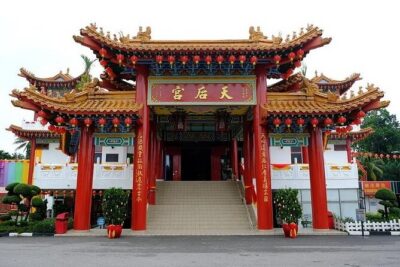
- Thean Hou Temple on Robson Heights, a 6-tier pagoda tied to the Hainanese community
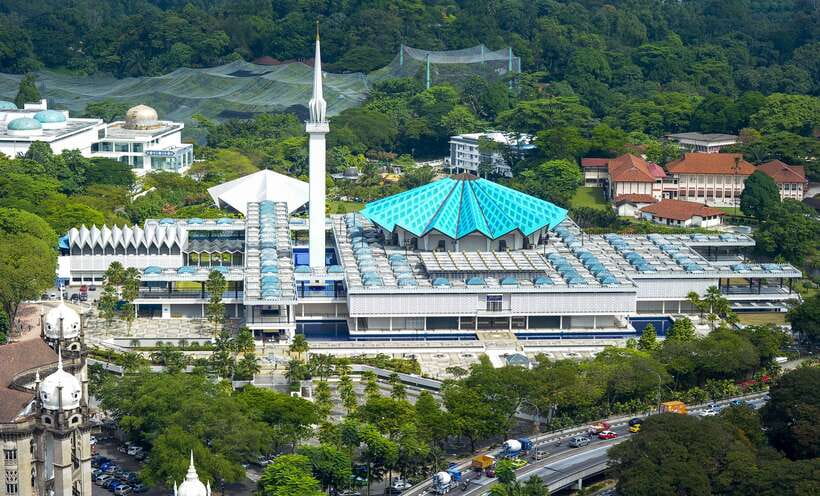
- National Mosque of Malaysia in 13 acres of gardens, designed in the late 1950s
- Market time around Chinatown, including a chance to snack on local favorites you buy yourself
- Air-conditioned driving and helpful guidance so you don’t waste time figuring it out
Two faiths, four cultures, one easy half-day plan

Kuala Lumpur is famous for mixing things that would never sit together back home. On this tour, you feel that mix in a practical way. You start with a major Hindu shrine complex, shift to a Chinese pagoda-style temple, then step into Islam’s most iconic national symbol, and finally close with market wandering and street-food vibes.
What I like most is that you don’t just see buildings. You get the “why” behind them while you’re moving through the city. The guide talks about the Hindu roots of Malaysia, the cultural significance of each place, and how these communities shaped Kuala Lumpur. It makes the whole city feel less random.
There’s also a nice pacing trick here: you’re on the move, but each stop is short enough to keep energy up. That matters when Batu Caves asks for a real climb.
You can also read our reviews of more historical tours in Kuala Lumpur
Batu Caves: climbing to Lord Murugan, then seeing Cathedral Cave
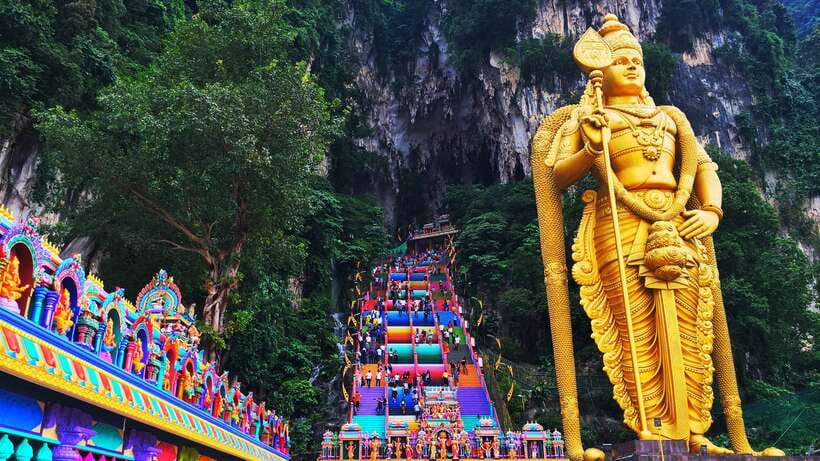
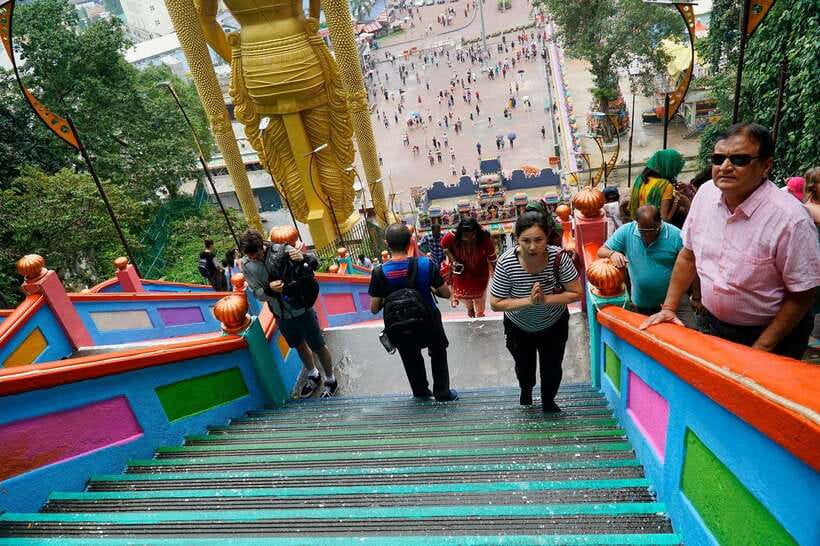
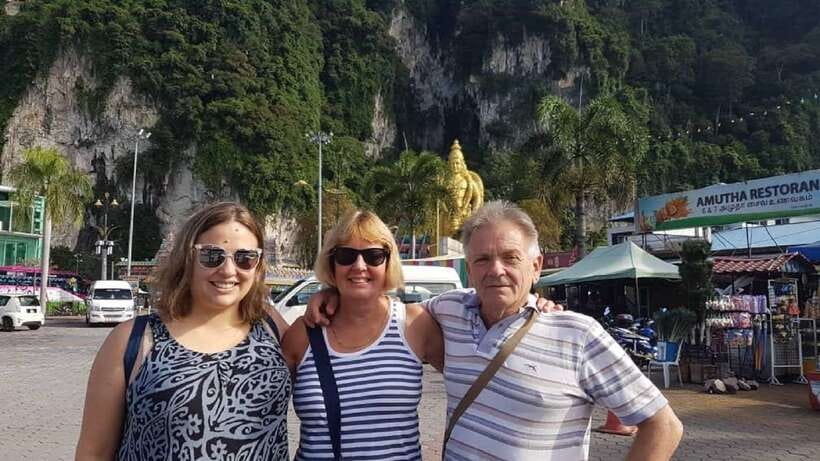
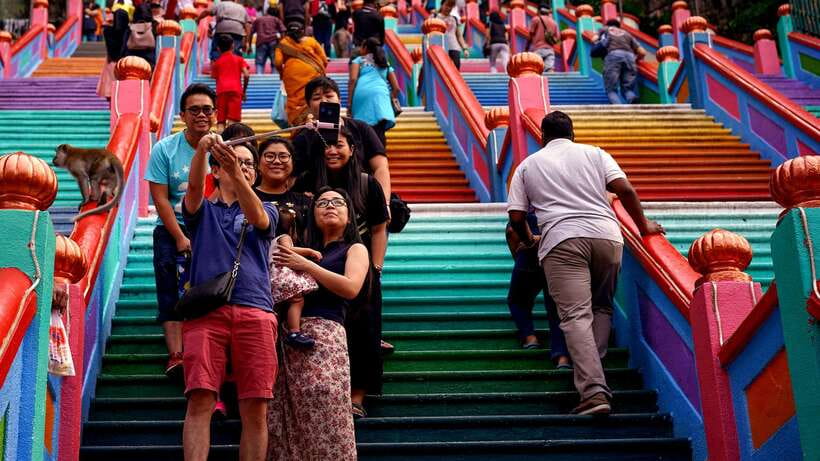
Batu Caves is the headline, and it’s the kind of place that rearranges your sense of scale. You drive out from Kuala Lumpur to the Hindu shrine complex, then climb up 272 steps to reach the golden statue of Lord Murugan.
Plan your effort before you start. You’re on stairs in the open, and the tour specifically calls out that you need a basic level of physical fitness. Sneakers help a lot, especially if the steps feel uneven underfoot. If you’re a woman, plan on wearing long pants or a long dress, with shoulders covered. The tour rules are clear, so treat them as part of your comfort strategy, not just etiquette.
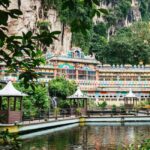
Once you’re up, the stop isn’t only about the statue. You then head to Cathedral Cave, described as the largest cave in the complex. This is where the shrine becomes more than a viewpoint. Your guide explains the background to this most intricate part of the Hindu site—so you understand what you’re seeing instead of just snapping photos.
One practical tip: because this tour begins with Batu Caves, you get your most active moment early in the day. That’s the smart way to do it, especially if Kuala Lumpur weather is warm and you’re not trying to save your energy for later.
Thean Hou Temple on Robson Heights: a 6-tier pagoda with clear community roots
After the climb, you switch from steps to views. Thean Hou Temple sits atop Robson Heights and is known for its 6-tier pagoda design. It’s more than a pretty skyline stop. The tour context includes the temple’s backstory: it was completed in 1987 and officially opened in 1989, built by the Hainanese community of Kuala Lumpur.
The temple is dedicated to the goddess Tian Hou. That detail matters because it changes how you look at the space. You’re not treating it like a generic tourist photo spot. You’re seeing a living religious site tied to a specific community story.
You’ll have a shorter visit here—about half an hour—so you should decide what you want most: a calm look around the structure, a few photos, or time to watch people move through the grounds. The layout is built for sightlines, so even with limited time you can still get a feel for why it became such a recognizable marker of Chinese heritage in the city.
National Mosque of Malaysia: modern design, big symbolism, garden setting
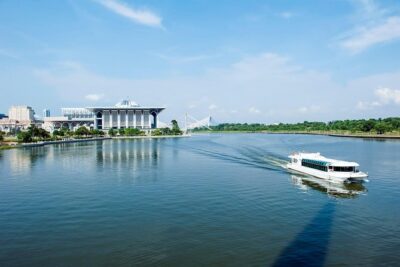
Next comes Malaysia’s national identity in architectural form. The National Mosque of Malaysia sits within 13 acres of beautiful gardens and was designed in the late 1950s as a symbol of the newly independent nation. That’s a strong reminder that nation-building isn’t only political. It’s visual too.
The stop is shorter—around 30 minutes—but it’s a good window to take in two things: the scale of the grounds and the mosque’s distinctive design style. Since this is a major public landmark, the visit works well even if you want mostly photos and a quick orientation.
There’s one important timing reality: the National Mosque will be closed on Friday. So if you’re planning your trip for a Friday, don’t count on this stop. Build your day around that.
Also, since you’re visiting multiple religious sites in one tour, the attire guidance you received for Batu Caves (shoulder coverage, long pants or long dress) helps you feel prepared for the mosque visit as well. You’ll look more comfortable and less rushed at the entrance.
Chinatown, Petaling Street, and Central Market time: eat with context, shop with confidence
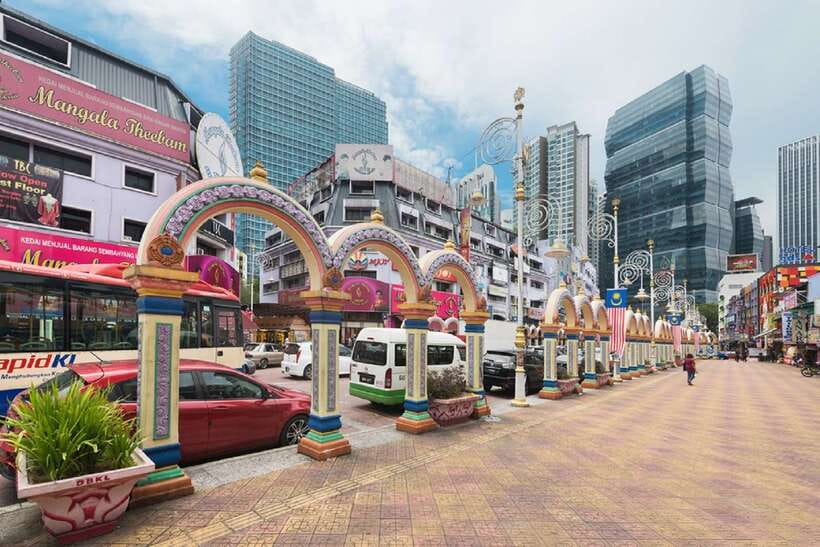
By the time the tour reaches the Chinatown section—around Petaling Street Market—you’ve already learned the city’s cultural layering. That makes this part more fun. Instead of wandering randomly, you know you’re moving through areas tied to specific communities: Chinese, Indian, Malay, and Bangladeshi traders.
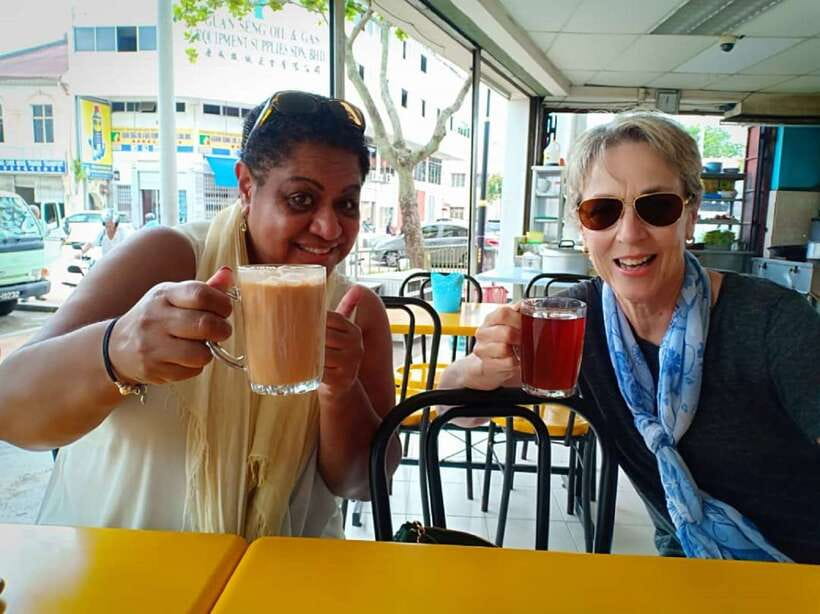
This is also where the tour shifts from “look” to “taste.” You’ll see dozens of food stalls, and the info you get is practical: you’ll learn about local favorites you can try at your own cost. The tour mentions:
- curry noodles
- Hokkien mee (a Fujian noodle dish)
- ikan bakar (barbecued fish)
- asam laksa (a sour fish-and-tamarind soup)
Since food and beverages are not included, treat this as your budget moment. Bring your appetite and decide one dish to commit to. If you try everything, you’ll spend more than you planned and end up too full to enjoy the later neighborhoods.
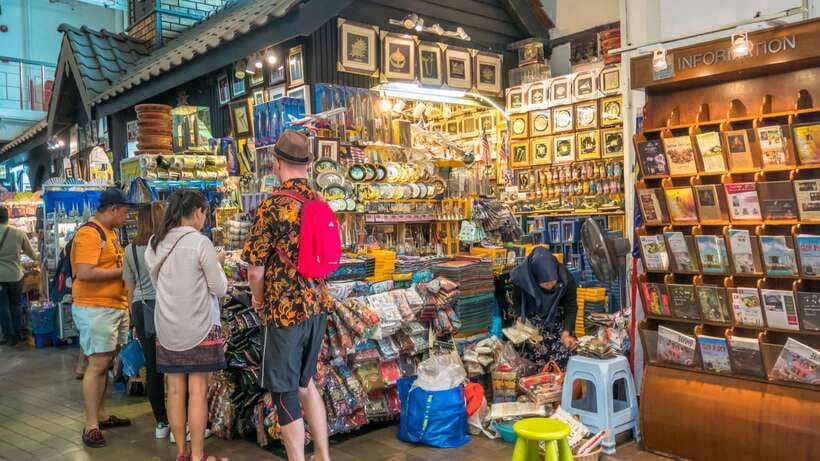
The tour also highlights retail therapy at Central Market, which fits well with the Chinatown timing. This is where shopping feels less stressful because you’re not squeezing it in after a long day on your own. You’ve got a guide who can help you understand what you’re looking at and where to regroup.
If your style is “wander, but with a plan,” this market block hits the sweet spot: you can roam for a bit, then get back to the air-conditioned ride without feeling lost.
- Private Tour Kuala Lumpur with Petronas Twin Towers Observation Deck & Batu Cave
★ 5.0 · 1,029 reviews



Little India: a quick cultural shift before you head back
After Chinatown, the tour includes time in Little India, Kuala Lumpur. This stop is shorter (about 30 minutes), so it’s best as a transition moment: you’re moving from street-food density to another neighborhood identity with its own sights and shopping energy.
Even with limited time, you’ll get the benefit of structured seeing. You’ll know you’re not just taking photos—you’re moving through the city’s community layout. That matters because Kuala Lumpur doesn’t feel like one uniform “center.” It’s a collection of neighborhoods that grew around different groups.
Think of Little India as your last chance to slow down, browse, and pick up something small you’ll actually use. If you skip it, you’ll still get the big monuments, but you’ll lose a piece of the city’s day-to-day character.
Price and logistics: what $34 buys for a 4-hour overview
At $34 per person for a 4-hour tour, the value comes from what’s included: hotel pickup and drop-off (city hotels), an English-speaking driver/guide, and an air-conditioned vehicle. In Kuala Lumpur traffic, that transport piece is often the difference between a relaxed day and a stressful one.
Also included is the guide-led structure. You’re not just getting a ride; you’re getting commentary and directions at each stop—where to go, what to expect, and where you’ll meet up afterward. That’s especially useful for the Batu Caves complex, where the main path and side cave area aren’t always obvious if you’re going solo.
What’s not included is also clear:
- Entrance tickets (plan for them)
- Food and beverages (you buy what you want in Chinatown)
- Optional gratuities (not included)
My advice: budget a little extra for snacks during the market time and any entry fees you run into. If you do that, the $34 price feels fair because you’re paying for time savings plus guided context, not just transportation.
Guides and comfort: why the ride feels smooth
The tour is designed around group logistics, but the experience often feels personal because the guide handles pacing and regrouping. The notes you’ll want to remember are consistent: drivers and guides focus on safe, smooth driving in busy streets and they’re good about keeping everyone on track.
You’ll also notice the guide style in how they share information. People mention guides like Nesh, Harit, Jag, and Ayyanar as being engaging, organized, and willing to adjust timing so you don’t feel rushed. Another name that shows up often is Jennifer, praised for friendliness and making sure you get the right balance between guided learning and free time for photos or wandering.
Even if you don’t have a favorite guide name in mind, you can choose the right mindset: show up ready to walk, ask questions when something catches your interest, and lean on the guide for “where should I go next” moments.
Who should book this tour, and who might skip parts of it
This is a great fit if you:
- have limited time in Kuala Lumpur and want a city orientation in one half day
- like seeing how different communities shaped the city through religious sites and neighborhoods
- want a mix of big sights and street-level culture (Caves, mosque, temple, markets)
It’s less ideal if you:
- don’t handle stairs well. Batu Caves requires climbing 272 steps, and the tour explicitly calls for basic fitness.
- want a low-walking itinerary. You’ll move between several sites and walk around the market areas.
If your biggest challenge is heat or stamina, plan to wear comfortable shoes, keep your pace steady, and use the guide’s timing at each stop.
Should you book the Batu Caves & Historic Buildings Tour?
I’d book it if you want a practical half-day intro that connects the dots between Malaysia’s Hindu, Chinese, and Islamic landmarks, then finishes with real city energy in Chinatown and Little India. The price makes sense for what you get: pickup, an air-conditioned ride, and English guidance that helps the stops feel meaningful rather than random.
Don’t book it on autopilot if you’re worried about the climb. Batu Caves is the tour’s physical centerpiece. If you’re confident with stairs and dressing for religious sites, this is one of the fastest ways to understand Kuala Lumpur without wasting hours coordinating transport.
If you want a safe plan for Friday, double-check the National Mosque closure. You can still do the rest of the day, but your expectations should be flexible.
FAQ
How long is the tour?
The tour runs for about 4 hours.
What is included in the price?
It includes hotel pickup and drop-off from city hotels, an English-speaking driver/guide, a 4-hour group city tour, and an air-conditioned vehicle.
Are entrance tickets included?
No. Entrance tickets are not included.
Is food included?
No. Food and beverages are not included, though you’ll have time around food stalls to buy what you like.
Is the National Mosque open on Fridays?
No. The National Mosque will be closed on Friday.
What should I wear for Batu Caves?
Ladies need to wear long dresses or pants with shoulders covered. Men can wear a simple tee and knee-length shorts or pants. Comfortable sneakers are strongly advised for the steps.
Do I need to use WhatsApp during pickup?
Yes. You should activate WhatsApp during the pick-up time because the guide will contact you to confirm the arrival time.
Can I cancel for a refund?
Yes. Free cancellation is available up to 24 hours in advance for a full refund.