REVIEW · KUALA LUMPUR
The Great Kuala Lumpur Tour with KL Tower Ticket & Lunch
Book on GetYourGuide →Operated by E Asia Holidays · Bookable on GetYourGuide
One day, and KL changes fast. This private, English-guided route strings together the city’s top stops, from Batu Caves up to the KL Tower observation deck.
I especially like the way the day is handled by guides who actually work the plan. I’ve seen firsthand how guides like Yati, Ganesh, David, and Charles Prabhu stay organized, explain what you’re seeing in plain language, and help with practical details like where to stand for photos and how to move through each site.
My main caution is that included lunch can feel average, and only the KL Tower has its entrance covered. Batu Caves and other sights may still have extra entry costs, so budget a bit beyond the $135 price.
In This Review
- Key points before you go
- From Corus KLCC to Batu Caves: a morning that saves time
- Batu Caves and the 272 steps: what to expect (and what to wear)
- Istana Negara, National Monument, and the National Mosque: KL’s power and memory
- Merdeka Square, Petronas photos, and the River of Life: the KL timeline in motion
- KL Tower observation deck: the skyline viewpoint you actually use
- Lunch at Restoran Nasi Kandar Pelita, then Thean Hou Temple
- Chinatown Kuala Lumpur: closing the loop at street level
- Price and value: is $135 per person fair?
- Who this tour fits best (and who should skip it)
- Should you book the Great Kuala Lumpur Tour with KL Tower ticket and lunch?
- FAQ
- How long is the Great Kuala Lumpur Tour?
- Where do I meet the driver?
- Is pickup included from all hotels in Kuala Lumpur?
- What does the KL Tower ticket include?
- Is lunch included?
- Are entrance fees included for every stop?
- Are there optional add-ons?
- Can I cancel and still get a refund?
Key points before you go
- Private, English-speaking driver/guide who keeps the pace moving and helps with photo stops
- Batu Caves planning built in: a 30-minute drive with history and dress-code reminders before you climb
- KL Tower observation deck: the ticket is included, so you spend less time figuring out logistics
- Classic KL landmark circuit: royal sites, memorials, major mosques, and the Petronas area in one day
- Optional add-ons: batik-making at an East Coast factory or a stop at Beryl’s Chocolate Kingdom
- Pickup limits: complimentary only within a 3 km radius from Twin Towers; otherwise RM 80 per car per way
From Corus KLCC to Batu Caves: a morning that saves time
The tour starts with you meeting your designated driver at Corus KLCC, which is a handy launch point if you’re staying near the city center. You’re then loaded into a van for about 30 minutes toward Batu Caves, which matters because KL traffic can turn a simple outing into a slow slog.
What I like about the start is the built-in setup. On the drive, your guide gives context on the temple area and reminds you about regulations and the dress code you’ll need to follow once you arrive—so you don’t get stuck scrambling right at the entrance.
The day is set up as a “greatest hits” run, but it’s not rushed chaos. It’s more like a well-timed loop: you see the big sights, you get viewpoints, and you still get a lunch break without the whole day turning into a nonstop photo spree.
You can also read our reviews of more tours and experiences in Kuala Lumpur



Batu Caves and the 272 steps: what to expect (and what to wear)
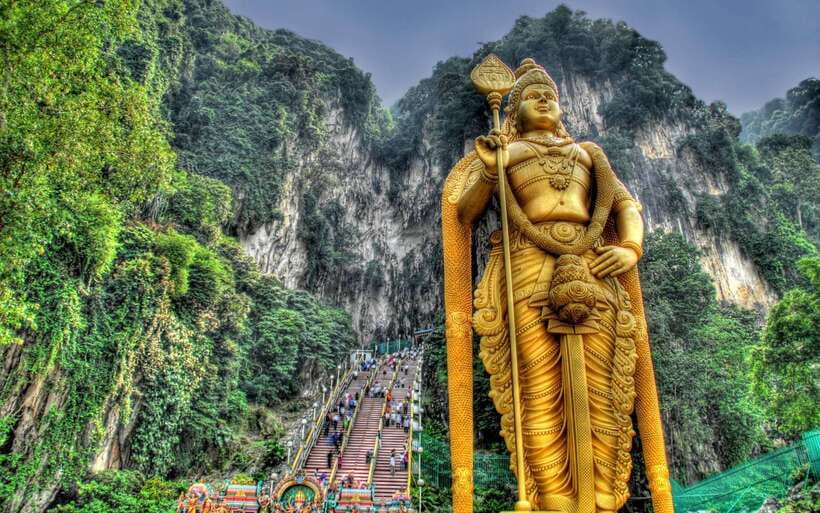
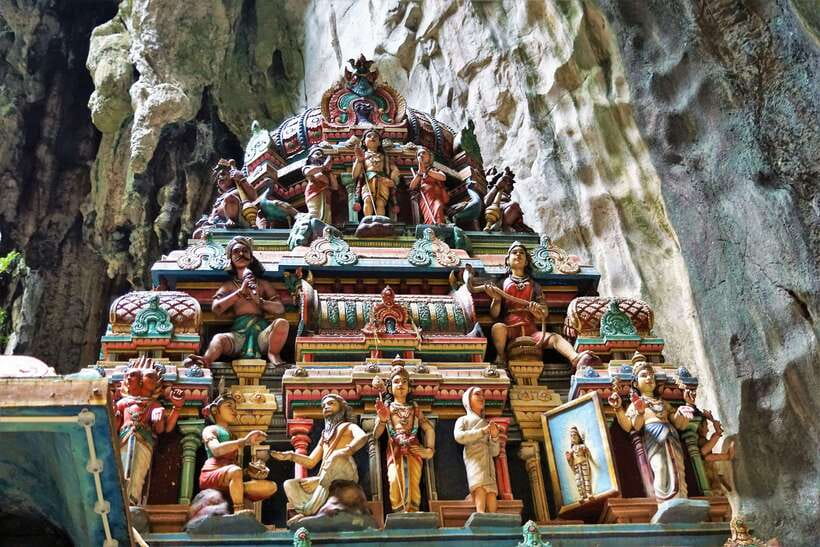
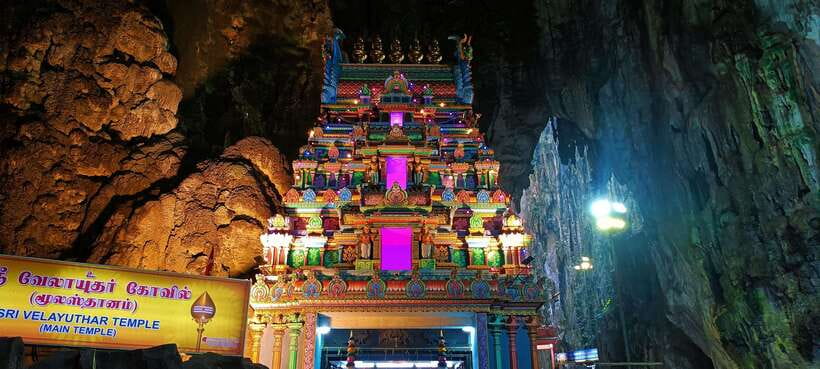
Batu Caves is the star for a reason. You’ll see the massive 140-foot golden statue of Lord Murugan sitting among limestone formations that are over 400 million years old. Then you hit the real workout: a climb up 272 colorful steps toward the temple at the peak.
Yes, it’s a climb. But the reward is the kind of view that makes you stop talking for a second. Once you’re higher up, you can take in wide city scenery, and the caves themselves bring a lot of visual texture—limestone walls, intricate interiors, and Hindu murals.
Practical stuff you should plan for:
- Wear shoes with grip. The steps are made for climbing, but you still want stable footing.
- Dress with respect. The tour specifically warns you about temple regulations and a dress code, so bring something that covers appropriately.
- Go in with water and a slow pace. Even if you’re fit, the temperature can make the climb feel longer than it looks.
If you’re someone who likes cultural landmarks with real spiritual energy (not just photos), Batu Caves delivers. And if you’d rather avoid stairs, consider whether you’ll enjoy the “climb to the viewpoint” part of the experience, because it’s central to how this tour is designed.
Istana Negara, National Monument, and the National Mosque: KL’s power and memory
After Batu Caves, you move into the part of the day that explains how modern Malaysia presents itself—through symbolism, architecture, and memorials.
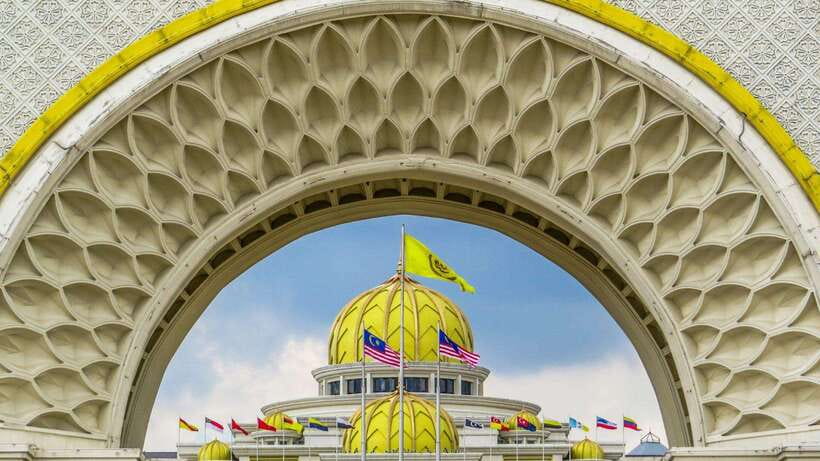
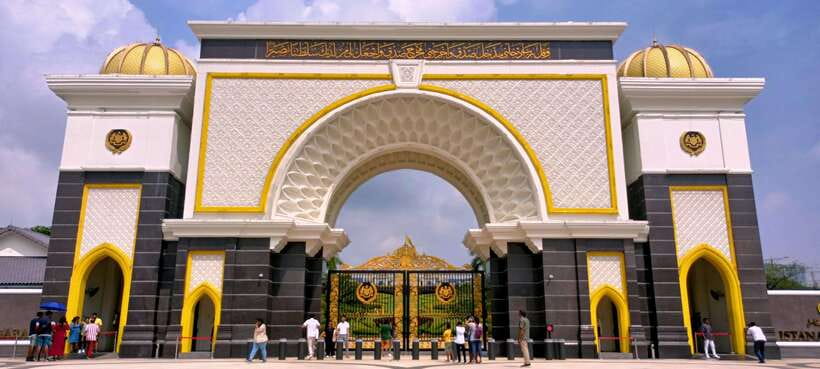
First up is Istana Negara, the official residence of the Malaysian monarch. You’ll do a photo stop and sightseeing here, and what makes it interesting is the contrast: the royal presence feels formal and controlled, while Batu Caves is all about climbing through a natural limestone landscape toward spiritual space.
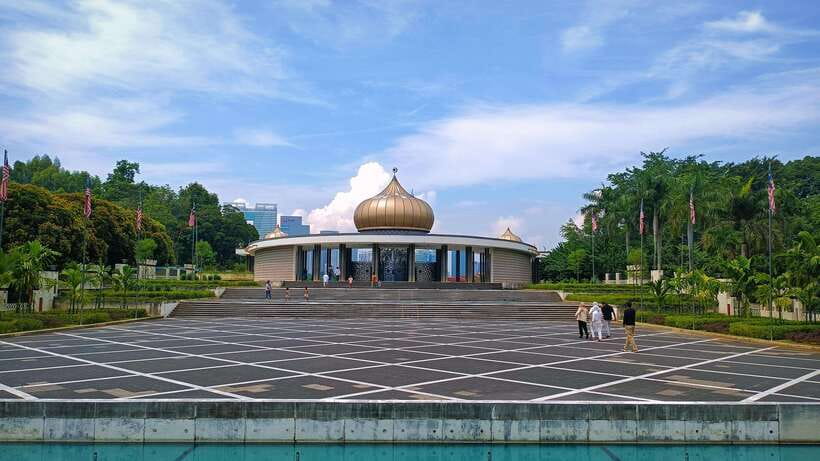
Next comes the National Monument, a bronze statue tribute to Malaysia’s fallen heroes during world wars. It sits near the Asean Garden, which gives you a quieter pause in the middle of a sightseeing day. This stop works well if you like landmarks that have meaning beyond architecture.
Then you’ll reach the National Mosque of Malaysia for a photo stop. The tour description calls out its modernist design and its capacity to accommodate up to 15,000 worshippers. Even from outside, it’s the kind of structure that makes you notice lines, angles, and scale.
One note: since these are important religious and civic sites, you’ll get the best experience if you treat them as more than backdrops. Stand where your guide suggests, look around, and take in the details your guide points out.
Merdeka Square, Petronas photos, and the River of Life: the KL timeline in motion
This part of the day strings together KL’s identity from colonial-era landmarks to today’s skyline.
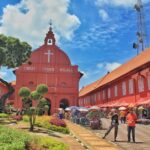
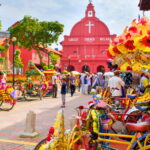
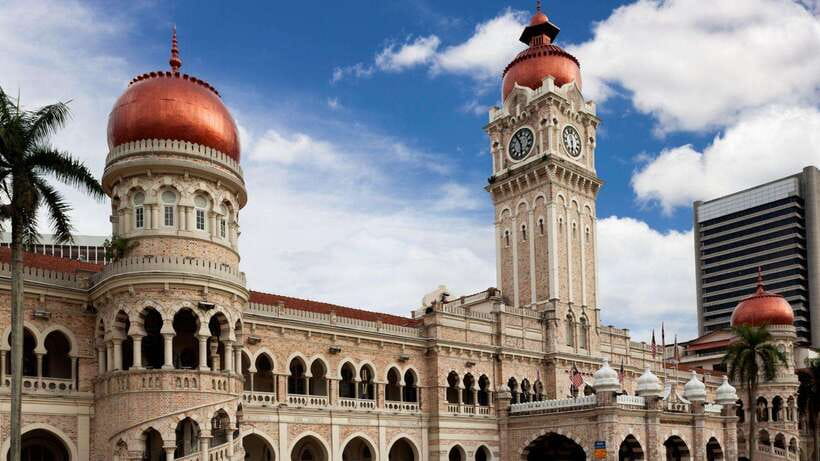
At Independence Square (Merdeka Square), you’ll see the world’s tallest free-standing flagpole. Around it are colonial-era buildings and the old courthouse, so you’re literally standing inside a visual timeline of governance, independence, and national pride.
Then you’ll get to Kuala Lumpur Railway Station as a sightseeing stop. It’s one of those places where the architecture gives you a sense of how KL developed around transport and trade.
You’ll also pass by the Golden Triangle, the city’s shopping and entertainment district. In practice, this is a “you’ll see it from the road” moment—more context than a deep visit—so it works best if you treat it as a way to understand where modern KL concentrates.
A standout photo moment is the River of Life, where you’ll stop for photos. Even if you don’t spend much time there, it’s a recognizable part of the city’s modern planning story—how KL shapes public spaces around water and pedestrian movement.
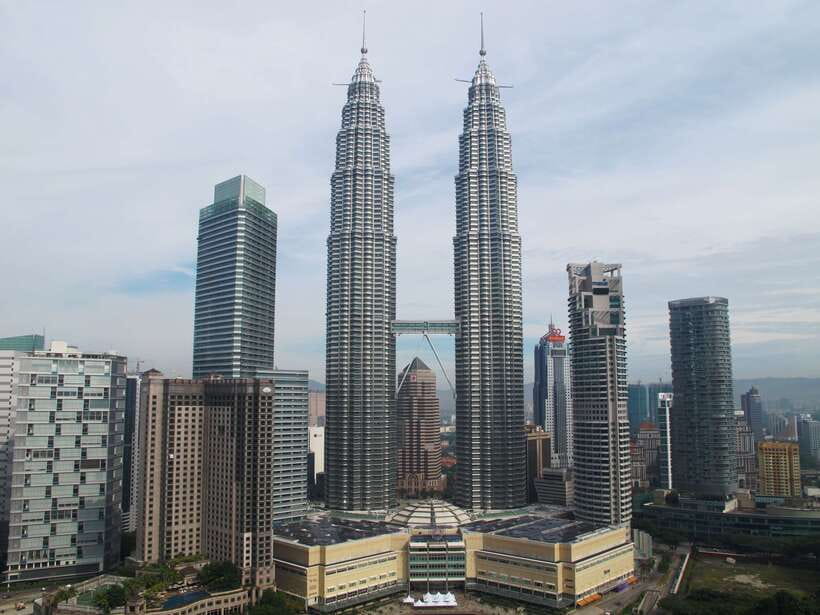
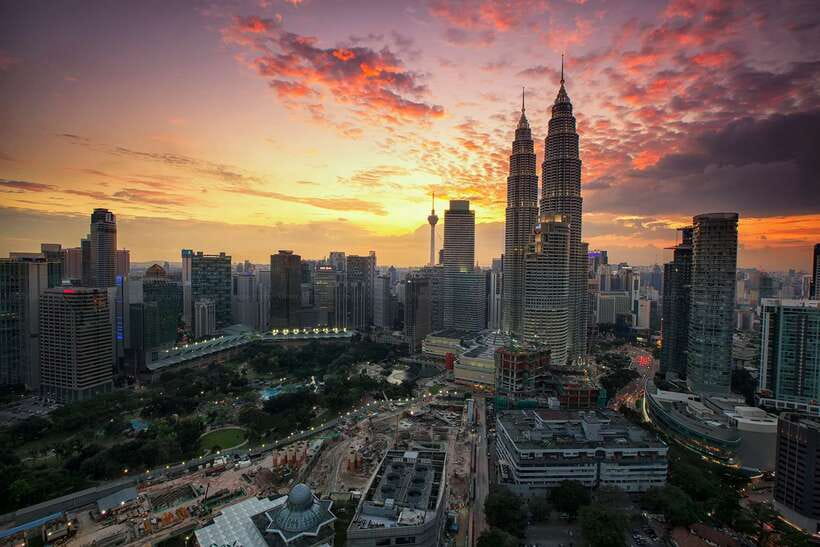
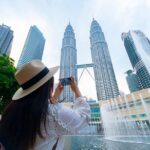
And yes, you’ll also have time near the Petronas Twin Towers. The towers are designed by Cesar Pelli, and the tour calls out they’re 88-story buildings. You’ll do a photo stop, which is ideal if you want the skyline shot without burning hours on tickets you don’t actually need for the view.
KL Tower observation deck: the skyline viewpoint you actually use
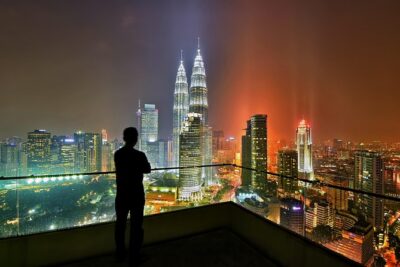
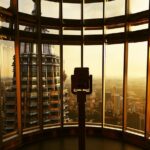
If you only care about one “wow” moment in the city, make it the KL Tower observation deck. This tour includes the KL Tower observation deck entrance ticket, which is a big deal for value and convenience. You’re not paying extra at the last minute or trying to fit ticket timing into a tightly planned day.
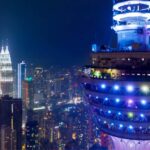
From the deck, you get panoramic views of Kuala Lumpur—an important perspective because it shows how all the stops you just visited connect. You’ve gone from temple steps to civic monuments to royal grounds, and then suddenly you’re looking at how the city layers those identities across a single skyline.
This is also one of the best moments for photos that don’t look like every other KL photo. Since the deck gives distance, you can frame landmark areas in context rather than just capturing a single building close-up.
If the weather is clear, you’ll enjoy this stop the most. If it’s hazy, the deck still helps, but you’ll want to focus on the wide layout—roads, districts, and the overall pattern of the city.
You can also read our reviews of more tours and experiences in Kuala Lumpur

Lunch at Restoran Nasi Kandar Pelita, then Thean Hou Temple
After a morning of stops, you’ll get local lunch at a nearby restaurant, specifically Restoran Nasi Kandar Pelita. I like that the meal is scheduled after you’ve already done your “big movement” activities. It prevents the classic mistake: getting hungry, tired, and cranky before the best viewpoint of the day.
The one drawback I’d plan for: some people found the lunch more plain than memorable. That doesn’t make it bad—just don’t expect a life-changing dining moment. Treat it as fuel for the afternoon and your mood will stay steady.
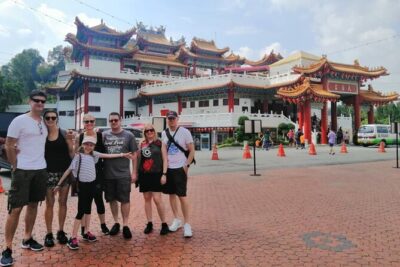
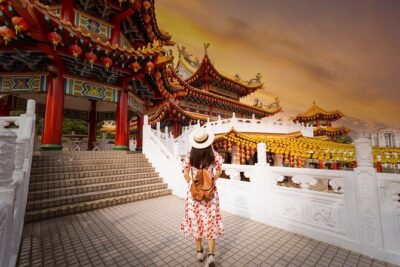
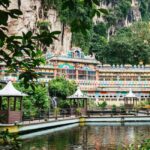
After lunch, you’ll visit the Thean Hou Chinese Temple, known for intricate carvings and vibrant decoration. This stop adds variety to the day because it shifts from civic and royal symbolism to religious and cultural art details.
Then you’ll drive through the Golden Triangle again as part of the movement toward the next urban areas. It’s practical rather than spiritual—helpful if you want to see the city’s entertainment and shopping core without needing a separate trip.
Chinatown Kuala Lumpur: closing the loop at street level
Later, you’ll visit Chinatown, which gives you the human-scale finish to a day that started with monumental architecture and temple climbs.
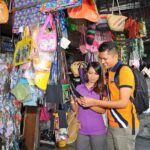
Chinatown also balances the Petronas-and-tower portion of your experience. Instead of skyscraper dominance, you get streets, shopfronts, and the kind of everyday energy that makes a city feel real.
The tour description also includes time for local snacks before lunch, plus the day’s general structure keeps you moving through key districts efficiently. It’s a good fit if you want to experience multiple “faces” of Kuala Lumpur in one outing.
Finally, your tour ends with a return ride to your drop-off location. Drop-off options include Chow Kit, Brickfields, Pudu, KL Sentral, Bukit Bintang, Corus KLCC, and Kuala Lumpur City Centre, so you’re not forced to end at some random far corner of town.
Price and value: is $135 per person fair?
At $135 per person, this tour sits in the midrange. The value comes from what’s included: a private tour, hotel/residence pickup within a limited city-center radius, Batu Caves, KL Tower with the observation deck entrance ticket, and lunch.
What you don’t get included is just as important. The tour clearly states that only the KL Tower entrance is covered; other entrances are not included. In a city with several major sights, that can add a bit to your day, depending on what you choose to enter versus what you simply photograph or view from outside.
So, is it worth it? I think it is if:
- You want a single day that hits Batu Caves, the KL Tower viewpoint, and KL’s key civic landmarks.
- You’d rather pay for a guide than spend your time planning routes, entry tickets, and timing.
- You appreciate private pacing. A private setup beats hop-on hop-off buses when you want context, not just movement.
It may not be worth it if:
- You’re the type who likes slow wandering and independent discovery.
- You’re already planning to cover Batu Caves and KL Tower on your own and don’t want a guided day.
Who this tour fits best (and who should skip it)
This tour fits best if you’re in KL for a limited time and want high-impact stops with real context from an English-speaking guide. It’s also a smart choice if you like photography but don’t want to guess where to stand or how long each area needs.
It may be less ideal if:
- You dislike stairs, since Batu Caves includes a 272-step climb.
- You’re very budget-focused, because extra entrance fees beyond KL Tower may still come up.
- You want a food-first experience. The lunch is included, but it’s not universally praised as exceptional.
Should you book the Great Kuala Lumpur Tour with KL Tower ticket and lunch?
I’d book it if your goal is a structured KL day that mixes culture, civic landmarks, and skyline views—without turning your trip into a logistics puzzle. The strongest selling point is that the route is designed around major moments: Batu Caves with a proper climb, then KL Tower with the paid observation deck ticket so you don’t lose time.
If you choose this one, do it with the right expectations about lunch and entry costs. Plan clothing for temple rules, wear good shoes, and treat the afternoon viewpoints as the payoff you’ll remember most.
FAQ
How long is the Great Kuala Lumpur Tour?
The tour duration is listed as 7 hours.
Where do I meet the driver?
The meeting point is at Corus KLCC, and the driver picks you up there.
Is pickup included from all hotels in Kuala Lumpur?
Pickup is complimentary only for hotels and residences within 3 km of the Twin Towers (Kuala Lumpur City Centre vicinity). For pickups outside that area, there’s a RM 80 per car per way surcharge payable directly to the driver in cash.
What does the KL Tower ticket include?
The tour includes KL Tower observation deck entrance ticket.
Is lunch included?
Yes. Lunch is included and served at Restoran Nasi Kandar Pelita.
Are entrance fees included for every stop?
No. The tour states that any entrance except KL Tower is not included.
Are there optional add-ons?
Yes. You can add optional visits such as an East Coast Batik Factory stop and Beryl’s Chocolate Kingdom.
Can I cancel and still get a refund?
Free cancellation is available up to 24 hours in advance for a full refund.