REVIEW · KUALA LUMPUR
Orang Utan Island Day Tour
Book on Viator →Operated by Way to Kuala Lumpur · Bookable on Viator
Orangutans swing where you expect trees. This full-day trip out of Kuala Lumpur mixes orangutan conservation with a countryside drive, a cave-temple stop in Ipoh, and a calm walk around Taiping Lake Gardens. If you want more than another city tour, it’s a good bet: you’re out in nature for real.
I especially like the chance to see endangered orangutans in their rehabilitation and conservation setting, plus learn what the center does to support them. I also like that the day isn’t just one stop: you add time at a limestone cave temple in Ipoh (with a famous climb) and then a slower garden stroll to cool down.
The main drawback is the trade-off: the Kuala Lumpur–to–Perak drive is long, so your island time can feel short if you’re hoping for a half-day “deep” visit. Plan for a long day, comfy shoes, and a little patience in the car.
In This Review
- Key highlights
- A long Kuala Lumpur-to-Perak day: timing and what you’ll really do
- Orang Utan Island Foundation: what the 2-hour sanctuary visit feels like
- Practical things to know before you go
- The countryside stops that make the day feel like more than one attraction
- Taiping Lake Gardens: the calm pause after the cave and the car
- Sam Poh Tong Temple in Ipoh: limestone cave vibes and the steps factor
- The “should I do the steps?” question
- Transport, ferries, and comfort: what’s included (and what to budget)
- Is $101 per person a good deal?
- Group size, guides, and the day-to-day differences you should expect
- What to pack and how to dress for an outdoor-heavy day
- Who this tour is best for (and who should rethink it)
- Should you book the Orang Utan Island Day Tour?
- FAQ
- What time does the tour start?
- How long is the Orang Utan Island day tour?
- Is hotel pickup and drop-off included?
- Do I need to buy ferry tickets to reach Orang Utan Island?
- Is lunch included?
- What about admission fees for the attractions?
- How much walking is involved?
- Does this tour operate every day?
- What should I bring and wear?
- What happens if Orang Utan Island can’t operate?
Key highlights
- 2 hours at Bukit Merah Orang Utan Island to watch orangutans in their habitat setting
- Round-trip ferry included for the trip to and from the island
- Sam Poh Tong Temple in a limestone cave plus a steep climb (often described as 450 steps)
- Ipoh area stops along the way, including the Menora Tunnel and Perak River pass-by views
- Lunch included, plus the tour includes key entry fees (but double-check the exact temple/garden coverage in your voucher)
A long Kuala Lumpur-to-Perak day: timing and what you’ll really do
This is set up as a classic early start, with a 7:00am meet-and-greet at your hotel lobby and pickup with an air-conditioned vehicle. From there, you’re on the north–south highway heading toward Bukit Merah in Perak. Expect several hours on the road, and then a day that feels like “a few meaningful stops” rather than one huge destination.
One thing I’d file under practical: the drive isn’t just dead time. You pass through oil palm and rubber plantations, see mountainous and rainforest scenery from the road, and you stop at a rest area to break up the long stretch. You also get sightseeing pass-bys like the Menora Tunnel (an 800-metre tunnel on the North–South Expressway Northern Route, officially opened in 1986) and a view of the Perak River (the second longest river in Peninsular Malaysia). If you like road-trip scenery, this part earns its keep.
Where the day can feel tight is the pacing. You’re leaving KL early, then you arrive, you do the sanctuary portion, and you still have time for Ipoh and Taiping before heading back. If you’re dreaming of a relaxed, unhurried island morning, it may not match that fantasy. This is more like: see the orangutans, learn the story, then move on.
Who should be fine with this? Anyone who likes day-trip structure and doesn’t mind “big distance, shorter time” trade-offs. Who might struggle? People who dislike car time, or anyone trying to squeeze in big walking beyond comfortable “moderate” levels.
You can also read our reviews of more tours and experiences in Kuala Lumpur.


Orang Utan Island Foundation: what the 2-hour sanctuary visit feels like
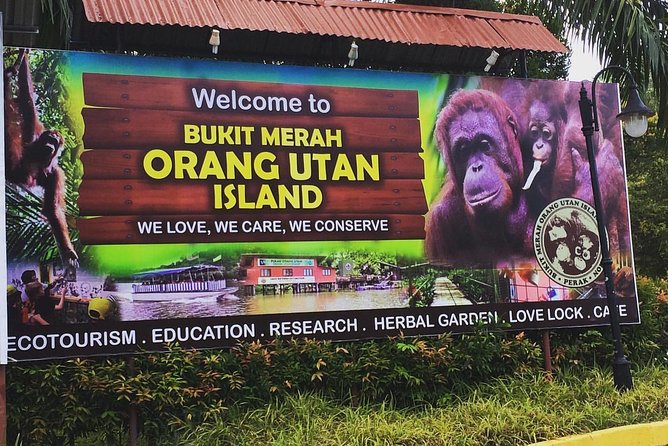
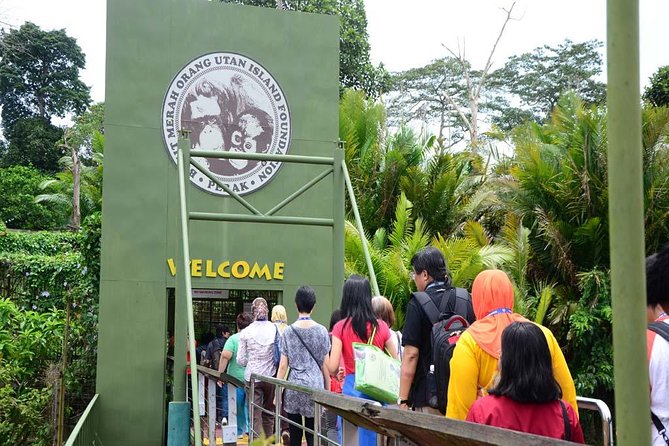
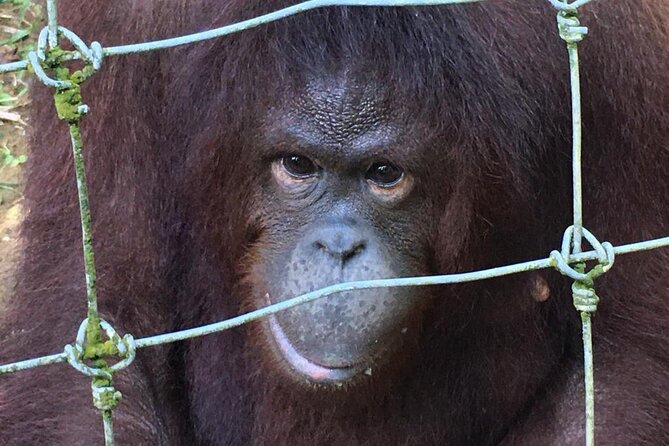
The heart of the day is the Bukit Merah Orang Utan Island Foundation. Your scheduled visit is about 2 hours, and it’s centered on a 2-hectare rehabilitation and conservation area where orangutans are cared for. The foundation runs more than “a viewing platform.” It operates a nursery and research center alongside rehabilitation work, so the place is meant to support orangutans on the road back toward healthier lives.
What you’re aiming for is that up-close sense of orangutans doing what they do: moving, playing, and swinging through the environment they’re in. Based on the way people describe the experience, the best moments tend to be when the animals get active and you’re not rushing—so take a second to settle in, find a comfortable viewing spot, and give the visit time to happen naturally.
This is also where your visit turns from “cute animals” to “why this matters.” Orang Utans are endangered, and the entire point of the center is conservation and rehabilitation. You’ll get a clearer picture of what the facility does and why an ecosystem depends on species like this. Even if you’ve only read headlines before, a well-run visit helps you connect the dots between conservation work and what you’re seeing.
Practical things to know before you go
- Bring insect repellent and wear closed or supportive shoes. The walking is described as moderate, and you’ll want comfort in warm weather.
- Wear light clothes and think about sun protection: sunscreen and a cap help.
- Bring a camera, because the best sightings are often the fast-moving ones.
Also, there’s a real-world note: if the island cannot operate due to low water levels, your tour may need to be canceled or moved to an alternative date. That’s beyond anyone’s control, so be flexible and don’t schedule tight connections afterward.
The countryside stops that make the day feel like more than one attraction
On paper, the trip looks like “Orang Utan Island + temple + gardens.” In practice, the in-between stops matter because they break up the drive and add context.
Between Kuala Lumpur and the sanctuary, you get a pass-by rhythm: rain forest and mountainous views, then stretches of plantation scenery. You also pass through limestone hills near Ipoh, which makes the road feel like it’s changing character as you move north-west. It’s subtle, but it helps the whole trip feel like travel, not just transportation.
One quick but useful moment is the rest stop break during the drive. Even if it’s only a short pause, it helps you arrive at the sanctuary with less crankiness. When the day is long, that kind of pacing is worth something.
There’s also a brief “park time” labeled as a stroll around Bukit Merah while your driver arranges transport to the island. Think of it as a chance to stretch your legs rather than a major attraction. If you like to maximize time, you can still use those minutes well: hydrate, do a quick bathroom check, and reset before the sanctuary portion.
Taiping Lake Gardens: the calm pause after the cave and the car

After the orangutan section and the Bukit Merah break, you’ll head to Taiping Lake Gardens for a leisurely walk. This is where the day slows down. It’s not presented as an intense walking stop, and the schedule gives you around 10 minutes for the garden portion.
So what’s the point of a short garden stop? It helps you balance the emotional intensity of conservation with something light and restorative—space to breathe, look around, and cool off. If you’re the kind of person who gets a little “tour fatigue,” this is a welcome decompression moment.
Two practical notes:
- The garden stop is marked as admission not included in the schedule details you’re working from, even though the overall description says entrance fees are included. Before you go, confirm what your voucher covers so you don’t get surprised.
- Bring water and take it easy in the sun. Ten minutes goes by fast when you’re walking carefully.
- Private Tour Kuala Lumpur with Petronas Twin Towers Observation Deck & Batu Cave
★ 5.0 · 1,029 reviews





Sam Poh Tong Temple in Ipoh: limestone cave vibes and the steps factor
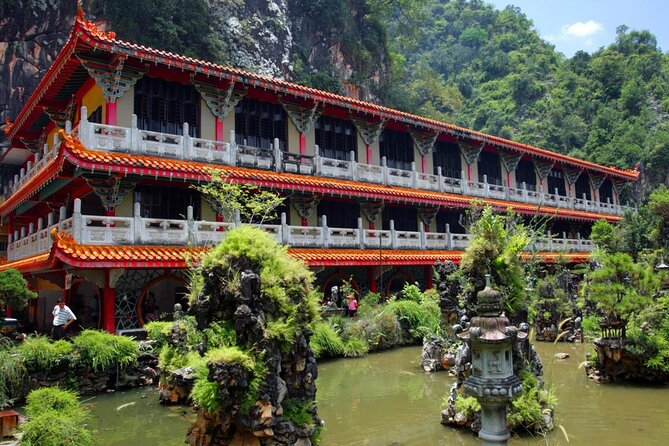
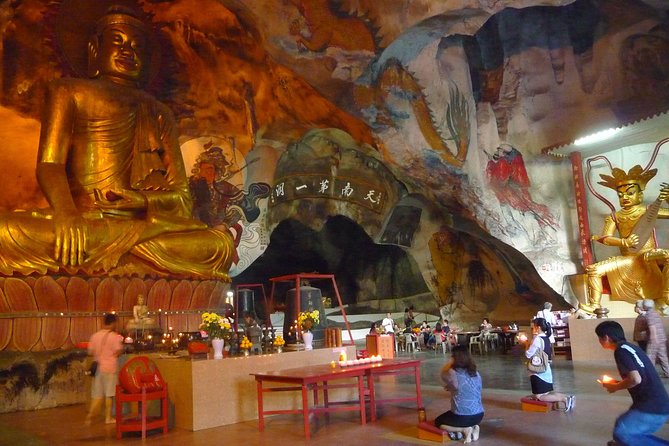
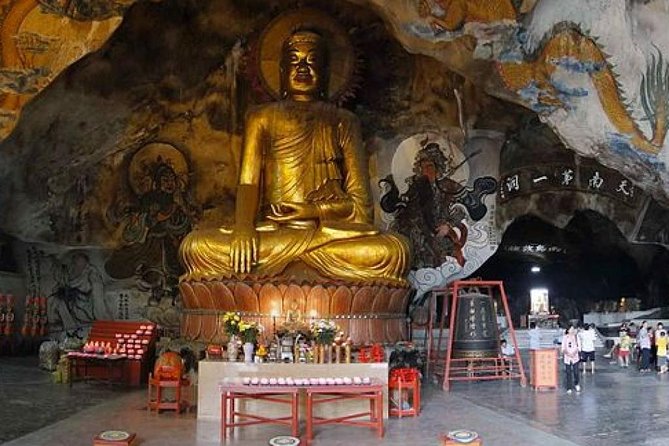
Sam Poh Tong Temple is a Chinese temple built within a limestone cave and described as the oldest and main cave temple in Ipoh. This is the most physically demanding stop on your itinerary. In feedback, people highlight the climb: one featured comment mentions 450 steps to reach the top.
Even if you don’t plan to do every step, the cave setting alone makes this feel different from typical temple visits. The raw limestone and the enclosed cave atmosphere change how light, sound, and movement feel. It’s also one of those places where you’ll see both calm spiritual areas and the practical reality of tourists following a route upward.
The “should I do the steps?” question
If you’re comfortable with moderate walking and can handle stairs, the steps are a big part of the temple experience. But if you’re bringing kids, anyone with mobility limits, or you’re traveling after a long car day, you might want a game plan:
- Start at an easy pace and stop when you need to.
- Bring water if you’re able, since food and drinks aren’t listed as included.
- Wear shoes with grip. Closed shoes are recommended.
Also note: the schedule says admission for Sam Poh Tong Temple is not included, and the tour’s included items mention a cave temple visit. That mismatch is common with tours that bundle “the stop” but not “the ticket.” Confirm what you’ll pay (if anything) before you arrive.
Transport, ferries, and comfort: what’s included (and what to budget)
Here’s where this tour earns its value: transport, ferry, and key entry components are handled for you. Included items listed include:
- English-speaking driver
- Hotel pick up & drop off (noted as within about 4 km in the city centre)
- Round-trip ferry ticket to and from Orang Utan Island
- Air-conditioned vehicle
- Orang Utan Island entrance
- Lunch
But there are also items you should assume might cost extra depending on the exact coverage in your confirmation:
- Gratuities (optional)
- Temple donations (optional, not required by the schedule)
- Food and drinks beyond lunch
- Any extra meals
- Taiping Lake Gardens and Sam Poh Tong Temple admissions are marked as not included in the stop notes
Is $101 per person a good deal?
For a day that includes long-distance transfers from Kuala Lumpur, a round-trip ferry, a sanctuary entrance, and lunch, $101 can be reasonable—especially if you want a private setup rather than a bus ride. The experience is positioned as a private tour/activity, meaning it’s for your group rather than being mixed with strangers.
That said, value depends on matching expectations. If you want many hours on the island, this itinerary isn’t designed to give you that. Several people highlight the core issue: long travel time compared with the time on the island. If that’s your concern, treat the trip as a “see it well, then move on” day—not a slow, in-depth retreat.
Group size, guides, and the day-to-day differences you should expect

The tour is described as private, meaning it’s not shared in the usual sense. Still, the quality of the day can vary based on how the driver/guide handles the pacing and how comfortable the vehicle is.
One featured highlight in feedback: a guide named Rajan is praised as excellent—knowledgeable, accommodating, and helpful. That kind of guiding matters because it turns waiting time and transit time into useful context: what you’re seeing, why it matters, and how to handle the steps and heat at the cave temple.
On the other side, a few unhappy experiences point to issues like poor car condition or unclear navigation. I can’t control that for you. What I can tell you is that this itinerary is simple on paper, so if your driver is sharp and communicative, the day feels smooth. If not, you feel it immediately because you have limited time at each stop.
My practical advice: keep your expectations realistic about time. You’re going to spend the morning traveling and the afternoon ticking off stops. If you get a great guide, you’ll love it. If you don’t, the itinerary won’t magically change—but comfort and explanations can still make a big difference.
What to pack and how to dress for an outdoor-heavy day
This is an outdoor day with sun, steps, and insects. The tour prompts you toward light clothing and practical gear. I’d follow that closely:
- Comfortable walking shoes (closed shoes are recommended)
- Insect repellent
- Sunscreen and sunglasses
- Hat or cap
- Camera and a light bag
For clothing, think light and breathable. The notes mention light, comfortable clothing, ideally quick-dry fabric like dri-fit. That’s a smart choice when you’re going from hot road travel to cave stair climbing and open viewing areas.
Who this tour is best for (and who should rethink it)
This day trip works best for:
- People who want to experience orangutan conservation without planning a multi-stop trip on their own
- Anyone who enjoys a mix of animal viewing + cultural sightseeing (temple + gardens)
- Families who can handle moderate walking and heat, especially if kids can stay engaged for a shorter island window
It’s not ideal if:
- You hate long drives and wish the day were mostly on-site
- You’re planning major mobility challenges. There are steps at Sam Poh Tong Temple, and that can be a deal-breaker for some people.
One more thought: check whether the activity is running on your day of the week. It’s stated that it does not operate on every Tuesday. If you’re traveling on a Tuesday, it’s worth confirming availability early.
Should you book the Orang Utan Island Day Tour?
If your top goal is orangutans in a conservation setting, this tour is a strong match. The combination of a sanctuary visit with a ferry ride, plus a limestone cave temple climb and a relaxing garden walk, makes it more complete than a “one stop, done” excursion.
I’d book if you’re prepared for a long day and you like the idea of seeing different parts of Perak in one go. I’d hesitate if you’re expecting extended time on the island or a slow, low-stress itinerary. Also, because island operation can be affected by low water levels, build flexibility into your schedule.
If you do book, the smart move is simple: confirm what’s included for temple and garden admissions, wear your most comfortable shoes, and bring sun and insect protection. Do that, and you’ll walk away with real conservation memories—not just another photo stop.
FAQ
What time does the tour start?
It starts at 7:00am with a meet-and-greet at your hotel lobby. You should be ready about 15 minutes before pickup.
How long is the Orang Utan Island day tour?
The duration is listed as 8 to 12 hours.
Is hotel pickup and drop-off included?
Yes. Hotel pickup and drop-off are included (noted as about 4 km in the city centre). You’ll meet your chauffer at the hotel lobby.
Do I need to buy ferry tickets to reach Orang Utan Island?
No. Round-trip ferry tickets to and from Orang Utan Island are included.
Is lunch included?
Yes. Lunch is included in the tour package.
What about admission fees for the attractions?
The tour description says entrance fees are included, but the stop details list Taiping Lake Gardens and Sam Poh Tong Temple as admission not included. Check your booking details/voucher so you know what you’ll pay on arrival.
How much walking is involved?
There is a moderate amount of walking. Comfortable walking shoes and insect repellent are recommended, and the cave temple visit involves stairs.
Does this tour operate every day?
No. It is stated that it does not operate on every Tuesday.
What should I bring and wear?
Bring sunscreen, a cap or hat, camera, sport sandals (listed), sunglasses, and insect repellent. Wear light comfortable clothing and closed-toe walking shoes.
What happens if Orang Utan Island can’t operate?
If Orang Utan Island cannot operate due to low water levels, the tour may need to be canceled or an alternative date offered, communicated to you as soon as possible.