REVIEW · KUALA LUMPUR
River Exploration and Mangrove Nature Tour by kayaking
Book on Viator →Operated by Outdoorgate Solutions · Bookable on Viator
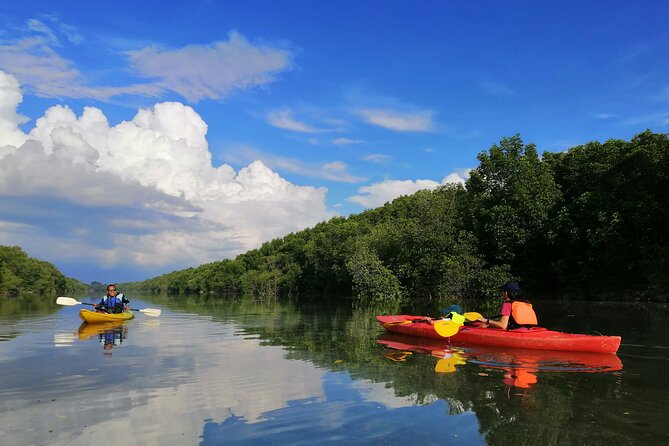
Sepang River mangroves are calm in a big way. This kayaking nature tour lets you glide through winding waterways with fewer boats and plenty of wildlife at the edges. I like two things most: the chance to see animals close-up in mangrove zones, and the fact that a mangroves interpreter explains what you’re looking at while you paddle. One watch-out: what you see depends a lot on the tide, so your timing matters.
You also get a real “day outside” feel without needing to be a paddling expert. The tour runs about 4 hours, with a light snack halfway through, and they keep groups small (up to 14). My only drawback to flag is practical: it’s a set session (morning or sunset), so you’ll want to pick the timing that matches what you want most from the water and wildlife.
If you’re ready for quiet water, green tunnels of mangroves, and a guided look at the ecosystem, this is an easy yes. I’d just plan your schedule around the tide-driven wildlife chances.
In This Review
- Key highlights before you go
- Why Sepang River mangroves feel so calm
- Morning 8–12 vs sunset 4–7: pick your paddling mood
- Getting to the start: Grovey Floating House and the mangrove edge
- The 4-hour flow: briefing, launch, paddle, snack, return
- How the tide shapes what you experience
- The snack stop that keeps the tour feeling light
- Wildlife you may spot: what to expect without forcing it
- Guides make the difference: mangrove interpretation in plain language
- Price and value: does $83.41 make sense for 4 hours?
- What’s included (and what you’ll need to handle)
- What to bring for a comfy paddle day
- Who this tour suits best
- Should you book River Exploration and Mangrove Nature Tour by kayaking?
- FAQ
- How long is the kayaking tour?
- What time sessions are available?
- Is the tour suitable for beginners?
- What’s included in the price?
- Do I need to bring my own kayak or safety gear?
- Is there a snack during the tour?
- Can I protect my phone or camera from getting wet?
- How big are the groups?
- What kinds of wildlife might I see?
- What happens if weather is bad?
Key highlights before you go
- Two guided sessions: morning (8am–12pm) and sunset (4pm–7pm), so you can choose the vibe
- Small group size: maximum 14 people, which usually means more hands-on attention
- Tide-driven wildlife: low tide can bring out mud skippers; high tide lets you reach deeper mangrove sections
- Nature interpretation included: your guide explains fauna and flora as you paddle
- Halfway snack: fruit and juice during the tour, so you’re not working on an empty tank
- Extra safety gear + insurance: kayak gear provided and outdoor sports insurance included
Why Sepang River mangroves feel so calm
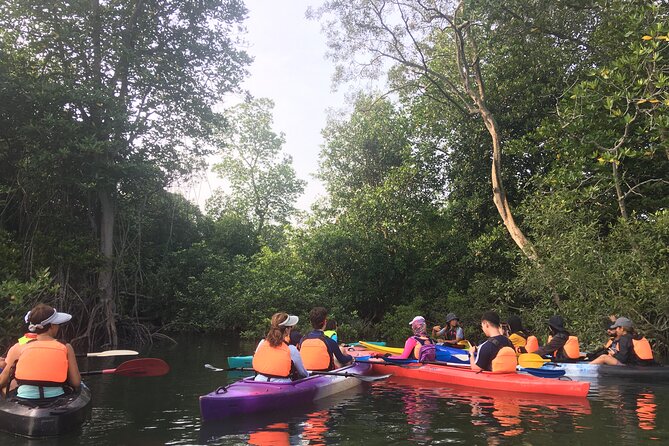
This outing is built around the idea that water can be peaceful. Sepang River kayaking runs on calm, winding waterways, and you’re not fighting a constant stream of motorboats. That matters because mangroves are fragile, and the experience is better when the pace stays human.
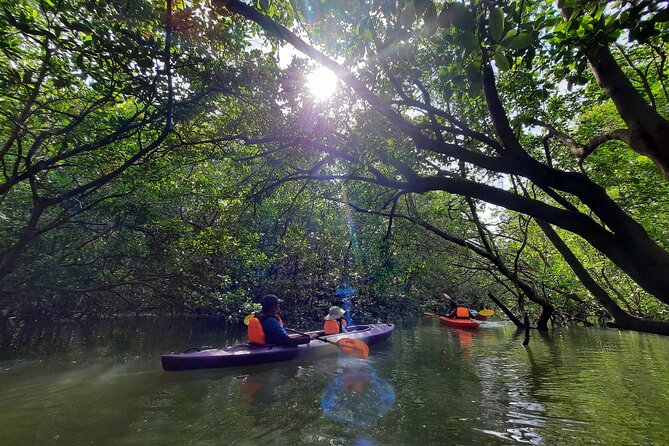
You’ll also be paddling through a mangrove environment where the “walls” curve and narrow. That creates a natural corridor effect, and it’s why even beginners often find the trip oddly relaxing. The scenery is all about close-in green canopy, muddy roots, and still water rather than big open-view sightseeing.
Most importantly, the tour is designed for seeing life, not just floating around. The ecosystem is active, especially around low tide and the edges of channels. If you care about plants and animals that live in brackish water, this is the kind of place where your eyes naturally start tracking movement.
You can also read our reviews of more tours and experiences in Kuala Lumpur.


Morning 8–12 vs sunset 4–7: pick your paddling mood
The tour comes in two daily windows: 8am to 12pm and 4pm to 7pm. Choosing one isn’t just about avoiding midday heat. It can affect your wildlife odds because the local tide timing changes what’s exposed and what’s reachable.
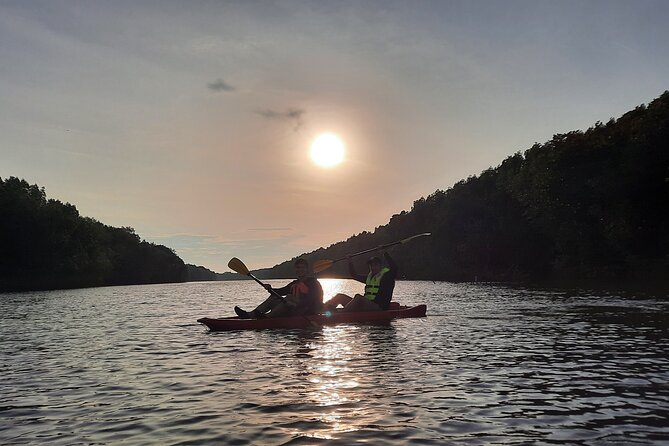
Early sessions tend to line up well with wildlife activity and lower light that feels less harsh. Sunset sessions often feel more serene because you’re finishing your paddle as the day cools down. One written description of sunset kayaking especially emphasized the tranquility of gliding through calm water while learning paddling basics first.
If your priority is wildlife that shows up on exposed muddy areas, aim to understand the low-tide timing for your date. If your priority is deeper exploration into the mangrove forest and a lush feel under the canopy, high tide is your friend.
Getting to the start: Grovey Floating House and the mangrove edge
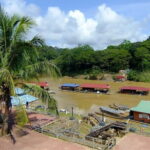
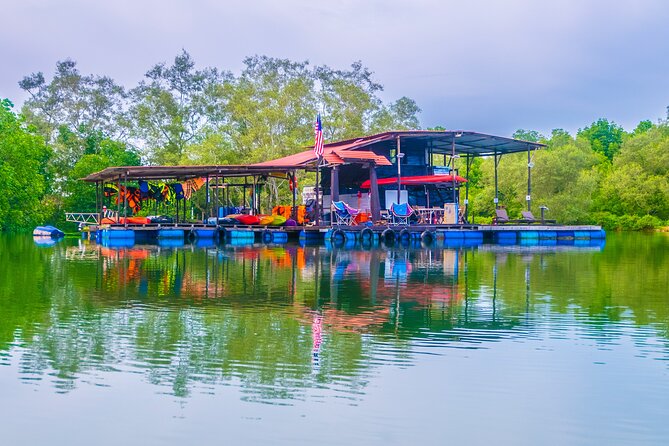
Your meeting point is Outdoorgate Sepang Mangrove River Kayaking, at Jeti Kampung Tanjung Mas Batu 2, 43900 Sepang, Selangor, Malaysia. The start works like this: you park at the fishing society area, then walk into the Grovey Floating House, which is where the kayaking station and launching platform are.
That short walk is more than a warm-up. Along the way you’ll see a fishing boat parked on one side and a mangrove stream on the other. It’s also the first moment you might notice nature signals: during early times, monitor lizards have been seen swimming in the mangrove stream, and you’ll want to stay alert for monkeys in the trees.
The key practical point: since the launch is a walking route through a floating-house area, wear something stable and comfortable. Flip-flops are the kind of mistake that turns a nature day into a shoe-hunting mission.
The 4-hour flow: briefing, launch, paddle, snack, return
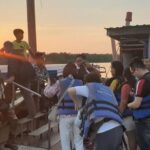
The total tour time is about 4 hours. You’ll start with gear, then a short introduction so you know how to handle the kayak and paddle safely. Written notes from past participants also describe a basic overview of paddling technique so even first-timers aren’t guessing.
Then it’s out onto the river. The route follows the mangrove channels, where the water can feel glassy and slow. This is where the earlier “calm water” promise becomes real. You paddle at a pace that lets your guide point out details: root shapes, leaf types, and the small creatures that live in the mud.
How the tide shapes what you experience
Low tide can expose areas where small wildlife feeds and hides. That’s when you might spot mud skippers, plus other small movement in the mud. When water is high, you can move deeper into the mangrove zones and experience the canopy feel more strongly because the channel opens up.
So, don’t treat wildlife spotting as a guarantee. Treat it as part of the ecosystem’s rhythm. Your best strategy is to show up flexible and pay attention to what your guide is scanning for during your session.
- Private Tour Kuala Lumpur with Petronas Twin Towers Observation Deck & Batu Cave
★ 5.0 · 1,029 reviews


The snack stop that keeps the tour feeling light
About halfway through, there’s a light picnic: fruits and juice. It’s not a heavy meal, and that’s a good choice for a paddle day. You get a break without bogging down your stomach or energy.
After the snack, you’ll paddle back the way you came, taking in the mangroves again from the water. Returning on the same route often makes it easier to notice what you missed earlier, especially if your guide pointed out key plant and animal details during the first section.
Wildlife you may spot: what to expect without forcing it
This is one of the biggest reasons to book. The tour describes a wide range of creatures you may encounter, especially around the mangrove edges and at low tide. Examples include kingfishers, eagles, mud skippers, crabs, and other species living close to the water.
You should also be aware of the “nature fact” that sometimes gets overlooked: wildlife isn’t always visible on demand. What you can do is watch patterns. For example, mud skippers tend to be linked with exposed muddy areas, which is exactly why tide matters. If the water level is right, your chances go up.
Also keep an eye on overhead and shoreline movement. Early walking sections can include monitor lizards swimming in the mangrove stream. And since monkeys can be on trees nearby, keep a calm awareness and don’t get careless near the edges.
If you want a simple mindset for the day, use this: paddle quietly, look broadly, and trust your guide’s scanning. You’ll spot more by cooperating with the rhythm of the mangrove than by sprinting your attention.
Guides make the difference: mangrove interpretation in plain language
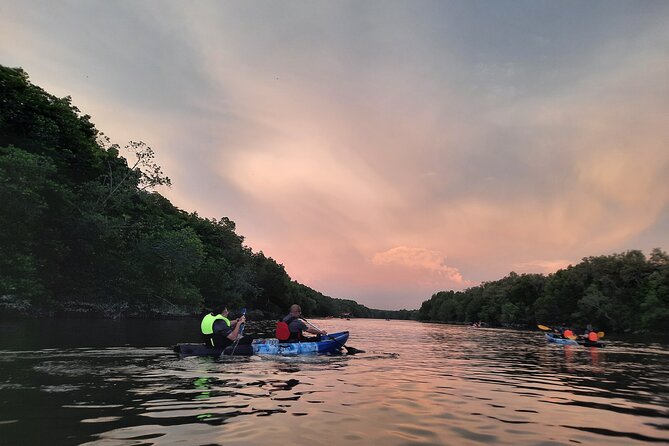
This tour includes a Mangroves Interpreter. That means your guide doesn’t just lead your kayak. They explain the ecosystem as you go, focusing on fauna and flora.
Past guide names mentioned in participant notes include AiVee, Chen, Damien, Vincent, and Ivy. The common thread is that the guide approach is friendly and adapts to experience level. If you’re new to kayaking or you simply know mangroves are interesting, you’re not expected to come with a biology background.
I like this format because it turns random-looking plants into a story you can actually track. You start noticing why roots grow the way they do, what kinds of life handle muddy water, and how the river channel functions like a living system.
One more practical benefit: when you understand what you’re seeing, your paddle time feels longer in a good way. The tour stops feeling like transportation and starts feeling like guided observation.
Price and value: does $83.41 make sense for 4 hours?
At $83.41 per person, this isn’t a street-cheap activity. But it’s also not priced like a luxury outing. The value comes from a mix of things that add up for a short 4-hour window:
- Kayak, PFD, and paddle are included
- A light snack is included halfway
- Mangrove interpretation is part of the tour (not tacked on)
- Outdoor sports insurance is included
- Group size is capped at 14, so you’re not disappearing into a crowd
That bundle matters because mangrove kayaking is not only about the kayak. The learning, safety coverage, and small-group pacing are what make it feel like a guided nature experience rather than a rental boat in a busy area.
There’s also a small extra gear option: you can rent a 10L Hypergear drybag for RM5. If you’re bringing a phone, camera, or anything that can’t get wet, this is a reasonable add-on.
What’s included (and what you’ll need to handle)
Included:
- Snacks: fruits and juice halfway
- Kayak + PFD + paddle
- 10L Hypergear drybag rental is available for RM5
- Mangroves interpreter guide for fauna and flora explanation
- Outdoor sports insurance for the tour
Not included:
- Private transportation
- Personal medication
Two practical reminders. First, you’ll need to arrange your own way to the meeting point (public transport options exist in the broader area, but your exact route will depend on where you’re starting). Second, bring any medication you might need. The tour includes insurance and gear, but it doesn’t replace personal medical prep.
What to bring for a comfy paddle day
Even with gear provided, you’ll enjoy the day more if you show up ready.
Pack light but smart:
- A water bottle (even if you get juice, you’ll still want water)
- Sunscreen and a hat, especially for morning or sunset heat
- A dry bag or the rental drybag if you’re worried about splash and river mist
- Comfortable shoes with grip for the walking portion and launch area
Also bring a mindset for being outside for 4 hours. Mangroves are active and sometimes noisy with birds and insects. If that doesn’t bother you, you’ll have a better time.
Who this tour suits best
This works especially well if you:
- Love wildlife and plants and want a guided explanation
- Want a calmer alternative to busier water activities
- Are okay with nature being unpredictable, tide-driven, and not staged
It’s also a good fit for families and mixed-experience groups, since the guide setup is described as supportive for both beginners and more confident paddlers. And since most people can participate, you don’t need to be an athlete to enjoy it.
Should you book River Exploration and Mangrove Nature Tour by kayaking?
Book it if you want a short, guided paddle where the main payoff is nature: mangroves, wildlife chances, and learning along the way. The small group limit (up to 14) and the included interpretation are the big reasons it feels worthwhile versus a basic rental.
Hold off or choose your session carefully if:
- You’re set on seeing a specific animal and don’t want tide-driven uncertainty
- Your schedule is tight enough that morning vs sunset timing becomes a problem
- You need private transport and don’t want to plan getting to the meeting point
If your idea of a great day is calm water plus a guide who makes the ecosystem make sense, this is an easy match.
FAQ
How long is the kayaking tour?
The tour lasts about 4 hours.
What time sessions are available?
There are two sessions: 8am to 12pm and 4pm to 7pm.
Is the tour suitable for beginners?
Most travelers can participate, and the tour includes guidance so you can get comfortable.
What’s included in the price?
The tour includes kayak, PFD, paddle, a halfway light picnic (fruits & juice), a mangroves interpreter, and outdoor sports insurance.
Do I need to bring my own kayak or safety gear?
No. Kayak, PFD, and paddle are provided as part of the tour.
Is there a snack during the tour?
Yes. There’s a light picnic with fruits and juice halfway through the journey.
Can I protect my phone or camera from getting wet?
You can rent a 10L Hypergear drybag for RM5.
How big are the groups?
The tour has a maximum of 14 travelers.
What kinds of wildlife might I see?
The tour environment can include kingfishers, eagles, mud skippers, crabs, and other species. You may also see things like monitor lizards swimming and monkeys in trees, depending on conditions.
What happens if weather is bad?
The tour requires good weather. If it’s canceled due to poor weather, you’ll be offered a different date or a full refund. The experience also has a minimum number of travelers to run.
If you want, tell me your travel dates and whether you prefer morning or sunset, and I’ll help you choose the better session for the kind of wildlife spotting you care about most.