REVIEW · KUALA LUMPUR
Kuala Lumpur Heritage 4-Hour Walking Tour
Book on GetYourGuide →Operated by BE MIND TOURIST WORLD SDN BHD · Bookable on GetYourGuide
A city that runs on multiple stories. This Kuala Lumpur Heritage 4-Hour Walking Tour focuses on everyday culture through markets, street food, and temple etiquette in the city center. You’ll also get a guide-led route that helps you connect what you see to how different communities lived here.
I especially like the food parts: you’re not just watching, you’re sampling. I also like the temple visits, because you get simple guidance on what’s appropriate so you can participate respectfully instead of feeling lost.
One thing to plan for: there’s a moderate amount of walking and the pace can feel active in places. If you’re sensitive to crowds, or you don’t want to hunt for a meeting point, you’ll want to arrive early and follow the directions carefully.
In This Review
- Key highlights you’ll feel on the walk
- Starting at Central Market: finding the Tourist Information and Interaction Centre
- Kasturi Walk and Central Market: the covered stalls that set the tone
- Chinatown: settler stories plus the kind of food questions you actually have
- Sin Sze Si Ya Temple: etiquette that helps you not feel awkward
- Sri Mahamariamman Temple: stepping into Hindu traditions with clear instructions
- Food tastings across Malaysia: why you should come hungry
- The pace: moderate walking, small group energy, and a realistic time plan
- Ending at Masjid Jamek LRT: easy transfer to your next stop
- Price and value: what $60 buys in real-world time
- Who this tour fits best (and who should skip it)
- Should you book this Kuala Lumpur Heritage walk?
- FAQ
- How long is the Kuala Lumpur Heritage walking tour?
- What’s the price per person?
- How many people are in the group?
- Where exactly do we meet?
- Is the guide available in English?
- What temples are visited?
- What food is included?
- Is there a minimum age?
- What’s included in the tour price?
- Is there free cancellation?
Key highlights you’ll feel on the walk
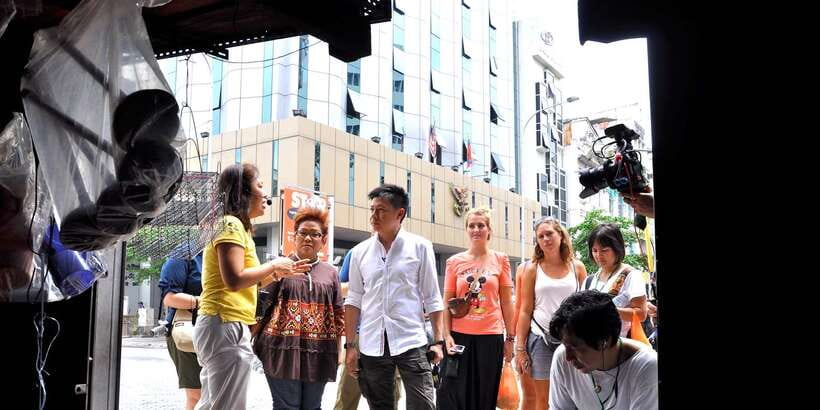
- Small group size (max 8) keeps the guide’s attention on your questions
- Central Market + Kasturi Walk gives you the covered market experience without a long detour
- Chinatown settler stories connect food, shops, and places to living heritage
- Sin Sze Si Ya Temple and Sri Mahamariamman Temple visits come with on-the-ground etiquette
- Food tastings across cultures help you understand Malay, Chinese, and Indian influences in one route
- Ending at Masjid Jamek LRT station helps you move on fast toward your hotel
Starting at Central Market: finding the Tourist Information and Interaction Centre
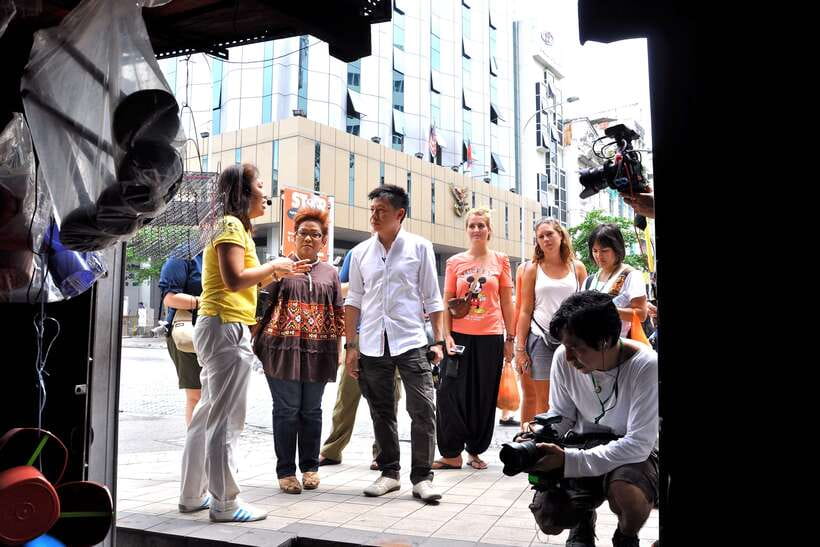
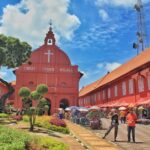
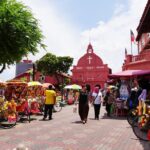
Your tour starts at the Tourist Information and Interaction Centre, right in the historic heart of Kuala Lumpur. The easiest approach is to walk along Kasturi Walk next to Central Market, then look for the walkway exit that leads into an alley between Central Market and a purple building.
From there, you walk into ART LANE, go about 30 seconds down, and find the black staircase. Go up the stairs, turn right, and you’ll see a small garden; the center is next door, with a turquoise interior.
I like meeting points like this because they’re anchored to real streets and real landmarks. It also means your first 10 minutes are already part of the experience, not just logistics.
You can also read our reviews of more walking tours in Kuala Lumpur
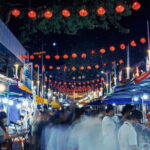

Kasturi Walk and Central Market: the covered stalls that set the tone
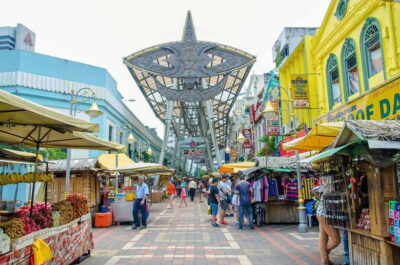
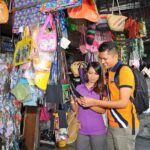
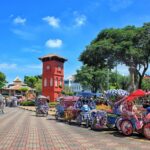
Once you’re together, the walking tour turns into a market-and-streets education. You’ll browse the covered flea market on Kasturi Walk, where stalls and everyday goods create a grounded feel for how the city runs.
This stop matters because markets are where culture shows up without speeches. You’ll notice how people shop, how vendors present food and products, and how the neighborhood’s mix of languages and smells creates its own rhythm.
It’s not a museum-style stop. You’ll be moving, looking, and listening, and the guide’s commentary is what turns the scene into something you can actually remember.
Chinatown: settler stories plus the kind of food questions you actually have
After the market area, you’ll head into Chinatown, where the guide shares stories about the first Chinese and Indian settlers. This is more than trivia. It helps you interpret why certain shop types cluster where they do, and why temples and streets are arranged the way they are.
Chinatown also gives you a chance to practice a useful travel skill: learning what to ask before you eat or take photos. You’re not expected to know local customs. You’re expected to get oriented quickly.
I like that the tour doesn’t treat culture like a checklist. The route nudges you to pay attention—what’s written on signs, what people are doing, and how the community shows respect.
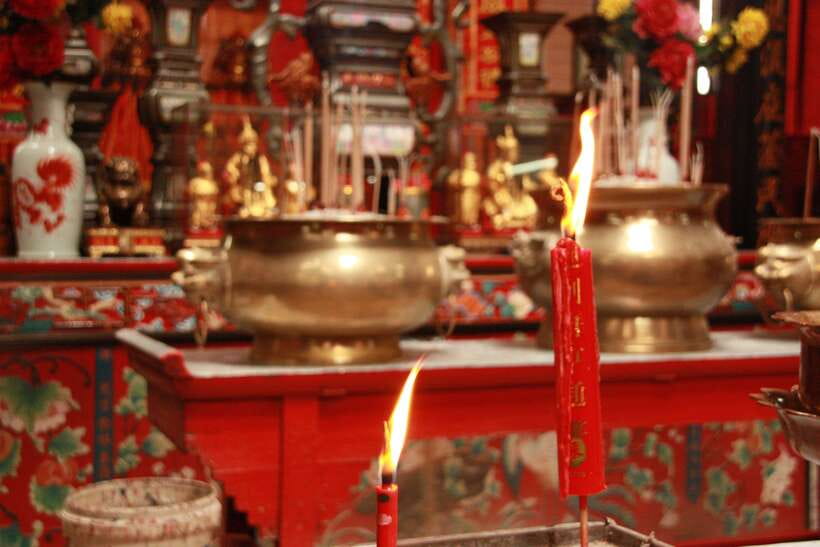
Sin Sze Si Ya Temple: etiquette that helps you not feel awkward
One of the tour’s big moments is the visit to Sin Sze Si Ya Temple. The key value here is guidance. You’ll learn what to do and how to behave so you can observe or participate in a respectful way.
Some guides also add extra practical details that make the temple visit feel personal. In one group, the guide explained rituals and helped guests with wishes at Chinese shrines, including guidance on what to do and what not to worry about.
If you’re the type who usually stands back, this is where you’ll likely gain confidence. The tour structure makes it feel less like an inspection and more like understanding.
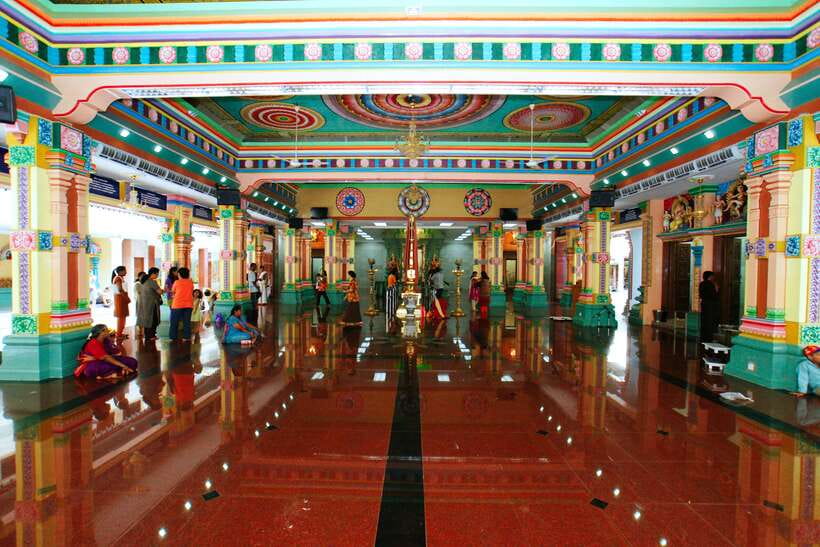
Sri Mahamariamman Temple: stepping into Hindu traditions with clear instructions
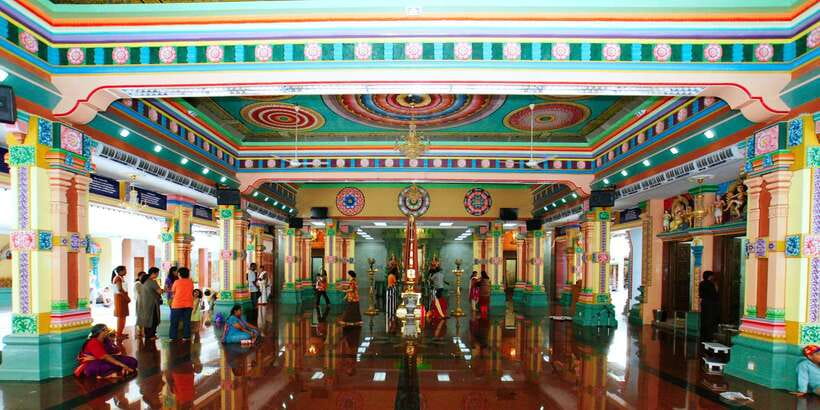
Then comes Sri Mahamariamman Temple, the other major temple stop on the walk. Here, you’re again in guided hands—so you can follow along without guessing.
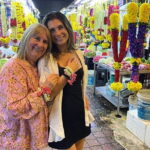
In past groups, guides have taken time with small prep items and respectful steps before entering sacred areas. One guide described giving jasmine bracelets ahead of the visit, and explaining how certain materials are used for clearing bad fortune, so guests could approach the experience with understanding rather than fear.
Even if you don’t plan to do anything beyond observing, you’ll still learn. Temple etiquette isn’t something you can learn from a photo. Having someone point out what matters saves you from awkward mistakes.
You can also read our reviews of more historical tours in Kuala Lumpur


Food tastings across Malaysia: why you should come hungry
Food is a core part of this tour, not an add-on. You’ll sample authentic bites from the different ethnic groups of Malaysia, and the guide ties the tasting to cultural traditions as you walk.
I like this approach because it changes the purpose of eating. You’re not just tasting for taste. You’re tasting to understand the city. And the tour gives you permission to ask questions about ingredients, flavors, and what to try next.
One practical tip: don’t overeat before you start. A guide in a previous group recommended skipping an early hotel breakfast because there are multiple chances to eat during the walk, and the tastings can stack up fast.
Also, the guide may adapt the food plan to what you already like. In one group, the guide catered the selection to guests’ interests and adjusted tastings so people didn’t repeat what they’d already tried. If you have dietary needs, be ready to mention them early, since the guide is the person who controls the tasting order.
The pace: moderate walking, small group energy, and a realistic time plan
This is a 4-hour small-group walk, limited to 8 participants. That’s a sweet spot for getting questions answered without getting dragged along by a big crowd.
The walking is described as moderate, so it’s not a couch-to-stops situation. You’ll cover enough distance to feel it, especially in warm weather, but you’re not doing an all-day hike.
One thing to keep in mind: timing can run long by a bit. In one case, the tour went almost an hour longer than expected. That doesn’t mean it’s poorly managed—it can mean the guide is giving extra time to explain temples, rituals, and food choices.
Ending at Masjid Jamek LRT: easy transfer to your next stop
You finish at Masjid Jamek LRT station. That’s helpful because it gives you a major transit anchor at the end, instead of leaving you stranded in the middle of pedestrian streets.
The guide can point you in the direction of your hotel. That sounds small, but after a few hours of walking and sensory overload, it saves you from the post-tour navigation scramble.
It also makes the tour a smart first day activity in the city center. You learn your street bearings while moving through key sites, and then you can extend the night on your own with less guesswork.
Price and value: what $60 buys in real-world time
At $60 per person for a 4-hour experience, you’re paying for a guided, structured route through multiple neighborhoods and two major temple visits—plus food tastings. What makes it feel like value is how much “thinking and explaining” is built into the walk.
You’re also not paying extra for basic add-ons included in the price. The tour includes bottled water, food tastings, and a live English guide, and it lists Goods and Services Tax as included.
For me, the real value is that the guide helps you understand what you’re seeing in the moment—especially in the temples. A self-guided walk can be fun, but the etiquette and context are what make this route more than a photo loop.
Who this tour fits best (and who should skip it)
This tour is a strong fit if you want a concentrated cultural walk in the city center and you’re hungry—literally and mentally. If you like markets, respectful temple visits, and food that teaches you something, you’ll likely enjoy the format.
It’s also a good option for travelers who don’t want a big group experience. With a max of 8, you can ask questions and adjust your pace when needed.
A quick caution: it has a minimum age of 11 years old, and the walking is moderate. If you’re traveling with mobility limitations, you may want to choose a different style of tour with fewer steps.
Should you book this Kuala Lumpur Heritage walk?
I’d book it if you want an honest slice of Kuala Lumpur where markets, Chinatown, and temple etiquette come together with guided explanation and real food sampling. The two temple visits plus multi-ethnic tastings make this more useful than a generic highlights walk.
I’d pause if you’re very sensitive to walking time, or if you dislike finding meeting points. If you do book, arrive a little early and use the directions to the ART LANE staircase carefully. Do that, and you’ll start the tour with momentum instead of stress.
FAQ
How long is the Kuala Lumpur Heritage walking tour?
The tour lasts 4 hours.
What’s the price per person?
The price is $60 per person.
How many people are in the group?
It’s a small group limited to 8 participants.
Where exactly do we meet?
You meet at the Tourist Information and Interaction Centre. Walk along Kasturi Walk next to Central Market, exit the walkway into an alley between Central Market and the purple building, walk into ART LANE, go about 30 seconds to the black staircase, go up the stairs and turn right. The mini garden is there, and the center is next door with a turquoise interior.
Is the guide available in English?
Yes, the live tour guide speaks English.
What temples are visited?
You’ll visit Sin Sze Si Ya Temple and Sri Mahamariamman Temple.
What food is included?
The tour includes food tastings, with chances to sample Malay foods and foods connected to different ethnic groups.
Is there a minimum age?
Yes, the minimum age permitted is 11 years old.
What’s included in the tour price?
Included items are bottled water, food tastings, the guide, and Goods and Services Tax.
Is there free cancellation?
Free cancellation is available up to 24 hours in advance for a full refund.