REVIEW · KUALA LUMPUR
Kuala Lumpur Heritage Walk
Book on Viator →Operated by Malaysia Heritage · Bookable on Viator
A heritage walk that feeds you. This 4-hour Kuala Lumpur Heritage Walk mixes Central Market, Chinatown, and two temple visits with practical local stories and serious food stops. I love how the tour builds in time to snack at real places, not just photo stops, and how interactive moments like lighting candles and joining simple temple practices help you understand what you’re seeing. Guides such as Kristin, Sean, and Winnie are repeatedly praised for making the day feel personal and fun.
One thing to keep in mind: this is still a walking tour, so plan for sun, humidity, and crowds around markets and religious sites. Wear comfy shoes and go in with a flexible attitude.
In This Review
- Key Highlights at a Glance
- Kuala Lumpur’s Historic Heart in Four Hours
- Central Market Breakfast Stop: Restoran Yusoof dan Zakhir
- Sin Sze Si Ya Temple: Taoist Practice and the Goodluck Man
- Sri Mahamariamman Temple: Hindu Culture Up to Your Pace
- Chinatown Wet Market Stop: Chinese Food You Can’t Guess
- Sultan Abdul Samad Jamek Mosque: The Story of KL’s Origins
- Lebuh Ampang Lunch: Indian Cuisine and Street History
- Price and What’s Actually Included at $60
- What to Bring, Who It Fits, and How to Book Smart
- Should You Book the Kuala Lumpur Heritage Walk?
- FAQ
- FAQ
- How long is the Kuala Lumpur Heritage Walk?
- How many people are in each tour?
- Where do I meet the guide?
- What time does the tour start?
- What’s included in the price?
- Are there temple visits on this walk?
- Can I participate in rituals at the temples?
- Is the tour suitable for children?
- What do I need to bring or prepare?
- Do I need passport details to book?
- What if my plans change—can I cancel?
Key Highlights at a Glance
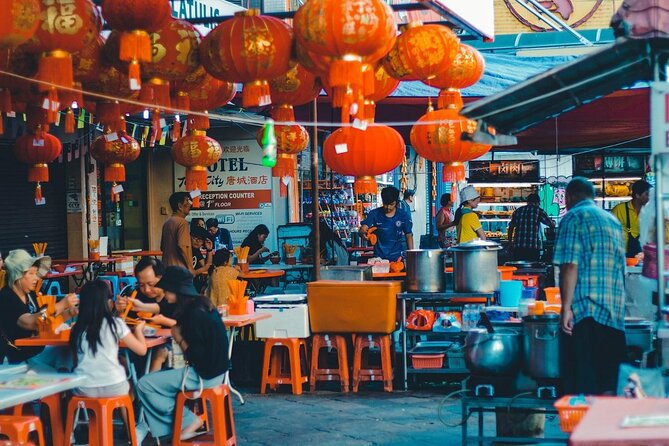
- Small-group size (max 10) keeps the pace comfortable and questions easy
- Food tastings built into the route, including breakfast and lunch stops
- Temple participation, with guidance at Sin Sze Si Ya and Sri Mahamariamman
- Chinatown wet market stop, where you sample Chinese foods locals actually seek out
- Lebuh Ampang Indian lunch, plus context about why this street matters
- Bottled water included, and you can refill with a tumbler
Kuala Lumpur’s Historic Heart in Four Hours
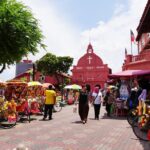
This is the kind of tour that helps you get your bearings fast in Kuala Lumpur. You start in the central area around Central Market, then move through Chinatown and the city’s older places, with a local guide tying it together. The best part is the rhythm: you’re walking, but you’re also pausing often enough to take in details without feeling rushed.
The tour runs about 4 hours with a 9:00 am start, and it finishes back at the meeting point (so you’re not piecing together your day afterward). The group stays small, with a maximum of 10 travelers, which matters in a city like KL—especially when you’re dealing with crowded market lanes and temple entrances.
Logistics are simple: no hotel pickup, and the meeting point is at the Tourist Information and Interaction Centre (TiiC), Lot 02-03 mezzanine level, Central Market Annexe on Jalan Hang Kasturi. If you’re using public transportation, you’ll find this area easy to reach.
You can also read our reviews of more walking tours in Kuala Lumpur

Central Market Breakfast Stop: Restoran Yusoof dan Zakhir
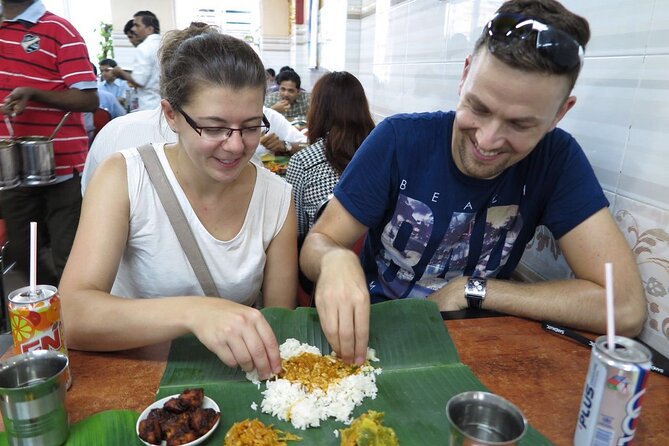
You begin with Malaysian breakfast at Restoran Yusoof dan Zakhir. It’s not a huge meal—just about 15 minutes—but that first bite is smart. Eating early gives you energy for temple time and market wandering, and it sets the tone that this isn’t a museum tour. It’s food + stories + a few hands-on moments.
This is also a great time to reset your expectations. Some people come in thinking they’ll mostly shop or take photos. Instead, you’ll get guided context and short, useful tastings that help you notice flavors and textures you might otherwise miss on your own.
Practical tip: if you’re sensitive to spice, tell your guide ahead of time. The tour asks for dietary requirements during booking, and there’s also a vegetarian option available if you request it in advance.
Sin Sze Si Ya Temple: Taoist Practice and the Goodluck Man
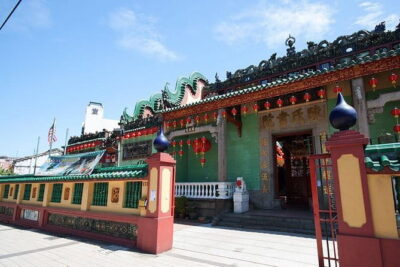
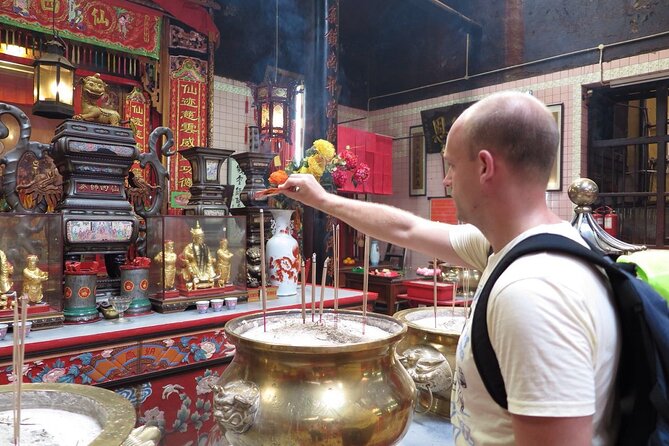
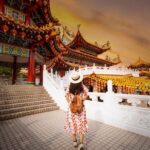
Next comes Sin Sze Si Ya Temple, where you’ll learn about Taoist culture and religious practice. The stop is about 15 minutes, but it’s structured so you’re not just looking from the doorway. Depending on what you and your group are comfortable with, you may participate in simple rituals such as lighting candles, burning joss sticks, and pasting a Goodluck Man on the wall to invite good luck into your life.
That “only at the discretion of our guests” detail matters. It means the experience is designed to be respectful and flexible, not pushy. Even if you skip hands-on participation, you’ll still get an explanation of what the actions mean, which is the real value here.
One extra perk: some departures include interactive teaching-style moments, like learning an activity tied to food and devotional practice. For example, one guide (Kristin) is praised for leading hands-on experiences such as making roti and creating a prayer during the temple visit. That’s not something I would count on every time, but it tells you what kind of guide style you’re likely to get—engaged, talkative, and hands-on when appropriate.
Sri Mahamariamman Temple: Hindu Culture Up to Your Pace
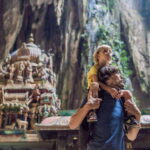
Then you head to Sri Mahamariamman Temple, focused on Hindu culture and Hindu deities. This stop runs around 20 minutes, but the timing is flexible: it can go longer depending on guest interest. That flexibility is useful. Temple visits can be short if you treat them like a checkbox, or they can feel meaningful when you’re allowed to linger just a bit.
The practical takeaway: expect the guide to explain what you’re seeing and what people do during worship. You’ll also get a sense of why certain gestures matter, so you’re less likely to feel lost inside the space.
If you’re someone who likes quiet observation, you’ll appreciate the chance to slow down here. If you’re someone who wants action, this is still engaging, because the guide is actively shaping what you notice.
Chinatown Wet Market Stop: Chinese Food You Can’t Guess
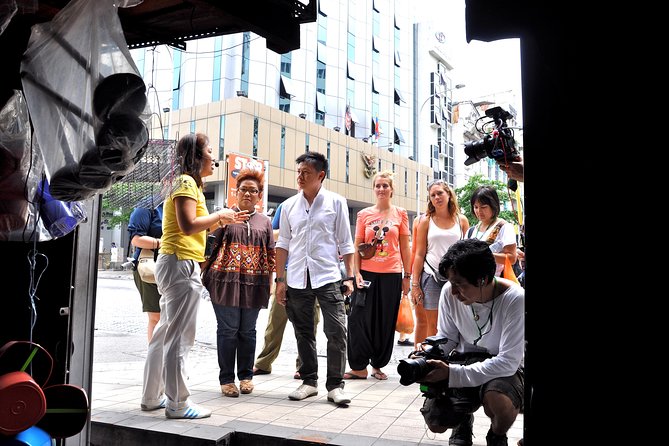
After the temples, the tour shifts into your “senses on” zone: Chinatown and a wet market stop with food sampling. This part is about 20 minutes, and it’s the best section for people who want to understand local eating habits rather than just try a random snack.
The tour specifically aims for foods that only locals know. That’s a big deal. Many food tours in KL will throw you standard items, but here the emphasis is on what people actually buy and eat in the market environment. You’re still sampling, but you’re sampling with context, and that changes how you experience flavors.
If you’re traveling with someone who hates strong smells or sights, this stop could be a tougher adjustment. Wet markets are working spaces, and the energy can be intense. On the other hand, that’s exactly why it’s valuable—you’re seeing Kuala Lumpur’s daily rhythm, not a staged performance.
You can also read our reviews of more historical tours in Kuala Lumpur

Sultan Abdul Samad Jamek Mosque: The Story of KL’s Origins
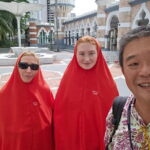
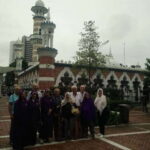
You’ll also visit Sultan Abdul Samad Jamek Mosque, with a guide who shares the story of how Kuala Lumpur began. This stop is around 15 minutes, and it works as a connector between the earlier temple context and the rest of the day’s neighborhood stories.
What I like about this segment is that it’s not just “here’s a building.” It’s a short narrative that helps you understand why these communities took root and how the city’s older areas shaped social life. In the tour description, the guide also ties in stories about the former tin mining settlement and the diverse inhabitants—exactly the kind of background that makes the day click.
Even if you’re not the type who reads architectural details, you’ll likely appreciate the way the guide frames the city’s early growth.
Lebuh Ampang Lunch: Indian Cuisine and Street History
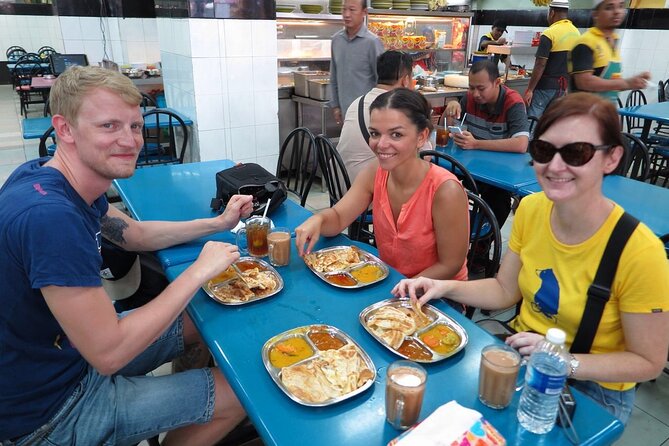
The final major stop is Lebuh Ampang, where the guide shares the history of the street’s past role and then stops for lunch. Plan about 30 minutes here, with time to savor Indian cuisine.
This is a solid ending because it turns all that cultural context into something you can taste and compare. After temples and market foods, lunch gives your body a break and gives your brain a new layer of understanding: Malaysian Indian cuisine is part of the same multicultural city story you’ve been hearing all morning.
I like that this isn’t positioned as an optional side quest. It’s an actual meal moment. And because you’ll likely have already tried a few tastings earlier, lunch helps you spot what feels familiar and what feels new—without needing to do extra ordering on your own.
Price and What’s Actually Included at $60
At $60 per person for about 4 hours, this can feel steep at first glance—until you look at what you’re getting. You’re paying for a guided route through several distinct areas, plus food sampling plus basic comfort items that usually add up when you do it independently.
Included items are helpful:
- Bottled water, with a note that you can bring a tumbler and refill at their center
- Food tastings throughout the route
- An English-speaking guide
- A small-group format (max 10)
You’re also getting value in the “time saved” category. Going temple-to-market-to-lunch on your own is doable, but you’ll likely spend more time figuring out what’s appropriate, where to eat, and how to interpret what you’re seeing. This tour compresses that decision-making into a single morning.
What’s not included is also worth noting: caps/hats are not provided, and there’s no hotel pickup/drop-off. If you don’t already have comfortable walking gear, that can change the real cost of “what you need to be ready.”
What to Bring, Who It Fits, and How to Book Smart
This tour is designed for people with moderate physical fitness. The route involves walking between nearby areas, with stops that are short but frequent. You don’t need to be an athlete, but you should be comfortable standing and walking for stretches, especially around markets.
It also has a minimum age of 11. If you’re traveling with younger kids, this may not be the right fit.
For food needs, the tour asks you to advise dietary requirements at booking, and a vegetarian option exists if you request it ahead of time. That’s important because food tastings can go wrong fast if you have restrictions but don’t plan.
Two booking details you’ll want to pay attention to:
- You’ll need to provide passport name, number, expiry, and country for all participants.
- You receive a mobile ticket.
Packing-wise, I’d treat it like a morning city walk:
- Bring a tumbler if you want to refill water
- Wear comfortable shoes (you’ll be on your feet)
- Bring sun protection since caps/hats aren’t included
And if you want an even smoother day, go in with curiosity rather than a strict “I must do every ritual” mindset. The temple participation is guided and flexible, and that’s the point.
Should You Book the Kuala Lumpur Heritage Walk?
If you want a first-day KL experience that mixes heritage places with real food, this is a smart pick. The small-group size, the included tastings, and the temple moments make it feel like more than a checklist. You also get a route that covers Chinese and Indian community spaces in the city’s older core, which is hard to stitch together on your own without wasting time.
I’d skip it only if you hate walking, dislike market environments, or want a slower, sit-down sightseeing day. For everyone else—especially if you’re excited by food, culture, and stories—this tour gives you a lot for your morning.
FAQ
FAQ
How long is the Kuala Lumpur Heritage Walk?
It runs for approximately 4 hours.
How many people are in each tour?
The tour has a maximum of 10 travelers, and there is a minimum of 2 people per booking.
Where do I meet the guide?
You meet at the Tourist Information and Interaction Centre (TiiC), Lot 02-03 mezzanine floor, Central Market Annexe, Jalan Hang Kasturi, City Centre, 50050 Kuala Lumpur.
What time does the tour start?
The start time is 9:00 am.
What’s included in the price?
It includes bottled water, food tastings, and an English-speaking guide.
Are there temple visits on this walk?
Yes. The tour includes Sin Sze Si Ya Temple and Sri Mahamariamman Temple.
Can I participate in rituals at the temples?
You may participate at Sin Sze Si Ya Temple, such as lighting candles and joss sticks and pasting the Goodluck Man, depending on guest discretion. The guide will explain the practices.
Is the tour suitable for children?
The minimum age is 11 years.
What do I need to bring or prepare?
Bring a tumbler if you want to refill water. Caps and hats are not included. You should also advise dietary requirements when booking.
Do I need passport details to book?
Yes. The booking requires passport name, number, expiry, and country for all participants.
What if my plans change—can I cancel?
You can cancel for a full refund up to 24 hours before the experience’s start time.