REVIEW · KUALA LUMPUR
Half Day Cultural And Heritage Walking Tour in Kuala Lumpur
Book on Viator →Operated by Birdy Leisure · Bookable on Viator
Old buildings, clear stories, real street life. This half-day cultural and heritage walking tour strings together Kuala Lumpur’s main faiths—Malay, Chinese, and Indian—so you can read the city like a map, not a postcard. You’ll walk past major landmarks and also spend time in local-style places where people shop and eat.
I especially liked the licensed guide commentary. Guides such as Yen and Ben get specific about what you’re seeing—why the mosques and temples look the way they do, and what the spaces mean for everyday belief and community. I also liked the route’s photo moments, from the River of Life to the murals at Kwai Chai Hong.
One consideration: this is a walking tour with only about 15–30 minutes per stop, so if you prefer long, slow museum-style time, you might feel a bit rushed.
In This Review
- Key Things You’ll Notice on This Walk
- A Half-Day Walk That Shows KL by Religion and Race
- Starting at Masjid Jamek: Where the City Makes Sense Fast
- Sultan Abdul Samad Jamek Mosque: Congregation, Architecture, and Age
- Merdeka Square and the Tall Flag Pole: Independence in One Big View
- The River of Life: A Quick Photo Stop With a Name Story
- Pasar Seni Central Market: Craft Shopping Without the Mall Vibe
- Sin Sze Si Ya Temple: Chinese Taoist Traditions in a Historic Anchor
- Chinatown and Petaling Street: Shopping Lanes and Food-Culture Reality
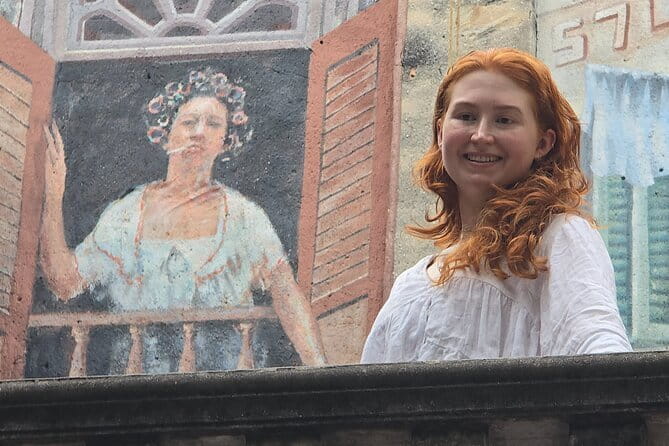
- Kwai Chai Hong: Murals That Turn the Alley Into a Storyboard
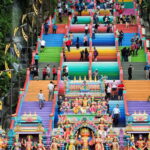
- Sri Maha Mariamman Temple: The Indian Faith, Front and Center
- What $39.03 Buys You: Guide, Route, and Local Stops
- Weather and Walking Pace: The Real-Life Considerations
- Who This Tour Is Best For (and When to Skip)
- Should You Book This Half-Day Cultural Heritage Walk?
- FAQ
- How long is the Half Day Cultural And Heritage Walking Tour in Kuala Lumpur?
- Where does the tour start and where does it end?
- Is lunch included?
- Do I need to buy tickets for the attractions on the route?
- Is pickup or drop-off provided?
- What’s the group size limit?
- What happens if the weather is bad?
Key Things You’ll Notice on This Walk
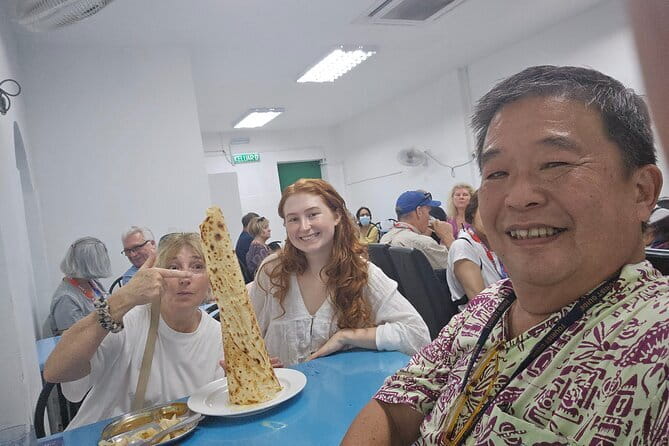
- A tight 4-hour route built around Kuala Lumpur’s three biggest cultural threads: Malay, Chinese, and Indian
- Licensed guides with detailed explanations, including standouts like Yen and Ben
- Easy landmark reading at Merdeka Square, Independence Square, and nearby colonial-era architecture
- Local shopping time at Pasar Seni Central Market, where you can look for crafts like batik and songket
- Great short photo stops like the River of Life and the mural walls at Kwai Chai Hong
- Stops that mix worship and culture, including Sin Sze Si Ya Temple and Sri Maha Mariamman Temple
A Half-Day Walk That Shows KL by Religion and Race
This tour is built for orientation. In just around four hours, you get a guided sense of how Kuala Lumpur’s different communities shaped the city’s streets, monuments, and places of worship. It’s the kind of route that helps you walk around afterward with your brain switched on.
The biggest win is the structure. Instead of one theme, you get a straight-line sequence across mosques, heritage squares, markets, temples, and Chinatown lanes. You’ll come away with a clearer idea of how these communities live side by side.
And there’s a practical attitude behind the slogan: come as a tourist, go home as a local. The company’s policy is to bring you where locals shop and eat—so your time isn’t trapped only inside “tourist” zones.
You can also read our reviews of more walking tours in Kuala Lumpur
Starting at Masjid Jamek: Where the City Makes Sense Fast
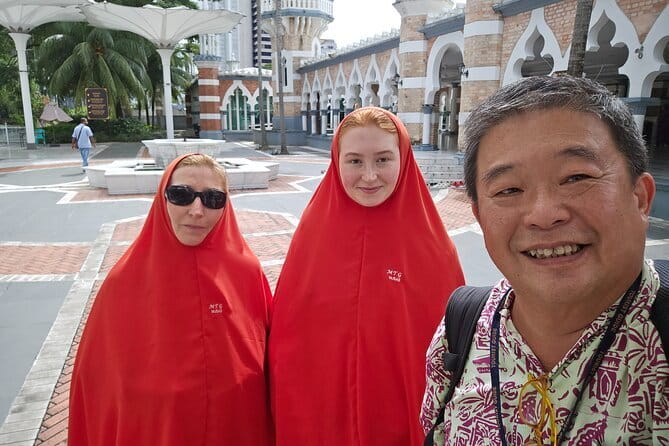
You meet at Masjid Jamek in Kuala Lumpur City Centre, then the activity ends back at the meeting point. That loop matters. It keeps the walk logical and reduces the stress of figuring out how to get back on your own.
Masjid Jamek is a strong starting point because it sits right in the middle of the action. You get to begin with an actual place of worship and community gathering, then move outward to nearby landmarks and commercial streets.
Also, the tour is set up for real-world strolling. It runs near public transportation, so if you need to adjust your plans, you’re not stuck far from transit.
Sultan Abdul Samad Jamek Mosque: Congregation, Architecture, and Age
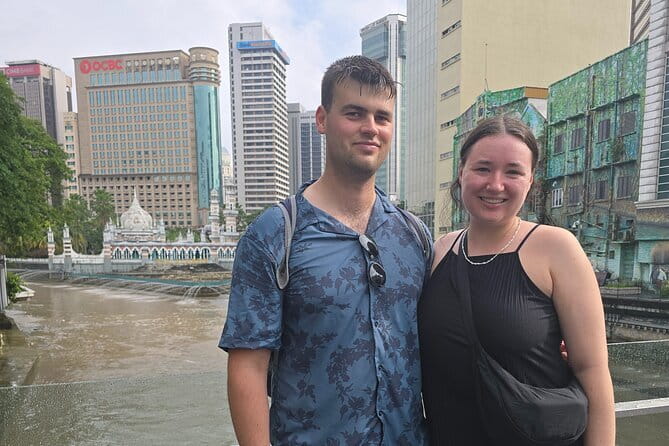
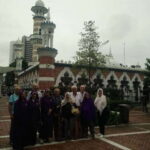
Stop one is Sultan Abdul Samad Jamek Mosque. The name matters: “Jamek” refers to the congregation of people worshiping at the mosque. That’s a handy detail because it shifts your view from “pretty building” to “people gathering here for a long time.”
This is also described as one of the oldest mosques in Kuala Lumpur, designed by AB Hubbock. Even with a short visit, I like that the guide can connect architecture to meaning—what the building represents, and why it’s still a key reference point for the city.
The time at this stop is about 30 minutes, and admission is free. So you get enough time to look, listen, and absorb without feeling like you’re rushing a major site.
Merdeka Square and the Tall Flag Pole: Independence in One Big View
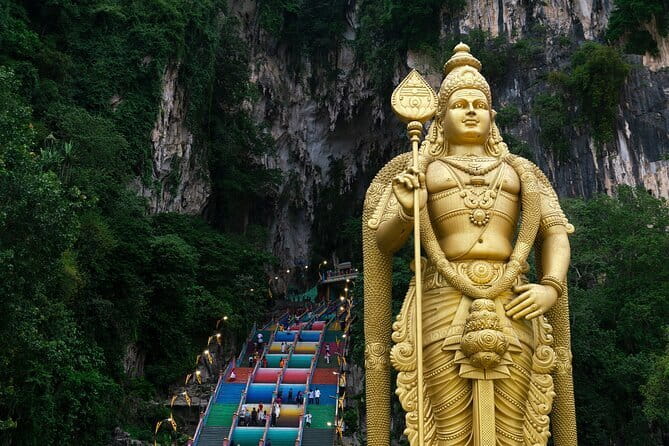
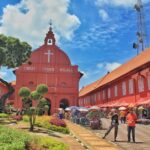
Next comes Dataran Merdeka. This is a panoramic zone packed with recognizable pieces: the Sultan Abdul Samad building, Independence Square, and the textile museum area in the broader site description. It’s also noted as the location tied to KL’s Independence Square story.
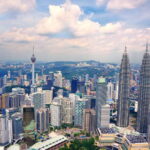
The highlight here is the scale. When you stand in this kind of open civic space, you can understand why it’s remembered. You’ll also notice the KL icon mentioned in the route: the tallest Malaysia flag pole.
You spend about 30 minutes here, and admission is free. The trade-off is that it’s a quick stop. If you want to linger for museum-level reading inside the surrounding complex, this tour isn’t built for that. It’s built for direction.
The River of Life: A Quick Photo Stop With a Name Story
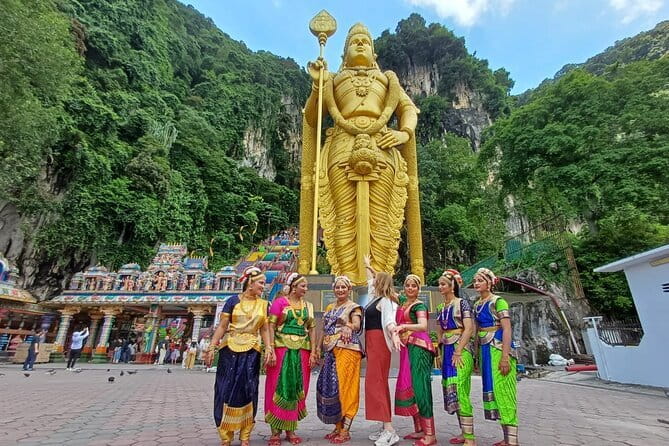
Stop three is called the River of Life. This is a short visit—about 15 minutes—and it’s clearly geared toward photography. The reason you’re there is also practical: it’s tied to how the name Kuala Lumpur is derived.
That name connection can be surprisingly satisfying. Even if your photos are just proof you were there, the guide’s explanation helps you connect the river and city identity. And because the stop is brief, it keeps the energy up instead of turning into a long detour.
Admission is listed as free here too, which fits the “heritage walk” idea: you pay for the guide and the context, not for ticket hopping.
You can also read our reviews of more historical tours in Kuala Lumpur


Pasar Seni Central Market: Craft Shopping Without the Mall Vibe
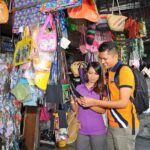
Then you hit Pasar Seni, also known as the Central Market. The route frames it as a cultural and craft center. It was formerly a wet market, and that background gives it a layer beyond “souvenir shopping.”
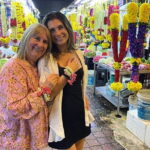
This stop is about 30 minutes, and it’s where you can browse for local crafts like batik, songket, and labu sayong. I like this because it’s the kind of browsing you can do without committing to buying.
A big value point is the timing. Mid-tour shopping works better than at the very end, because you can still use what you learn from the first half of the route to recognize styles, materials, and cultural references while you look.
The downside is simple: 30 minutes means you have to choose your pace. If you’re slow browsing and comparing prices, you’ll likely want extra time elsewhere after the walk.
Sin Sze Si Ya Temple: Chinese Taoist Traditions in a Historic Anchor
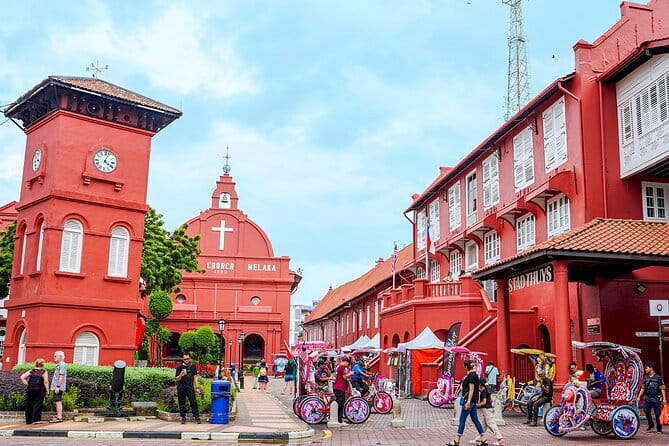
Stop five is Sin Sze Si Ya Temple, described as the oldest Chinese temple built by Yap Ah Loy, the founder of Kuala Lumpur. That’s a heavy statement, and it gives the temple more than visual interest. It places it at the origin story level—who founded the city, and how community worship was established early.
The tour also frames the temple as linked to traditional Chinese taoist religion and notes that Chinese traditional practices are still preserved. Even in a short visit, that kind of framing matters because it changes how you interpret carvings, layout, and community space.
You get about 30 minutes, admission free. Since the total tour is only four hours, this stop isn’t meant to replace a full temple day. Instead, it’s meant to get you oriented to what the Chinese community’s traditions look like in the urban center of KL.
Chinatown and Petaling Street: Shopping Lanes and Food-Culture Reality
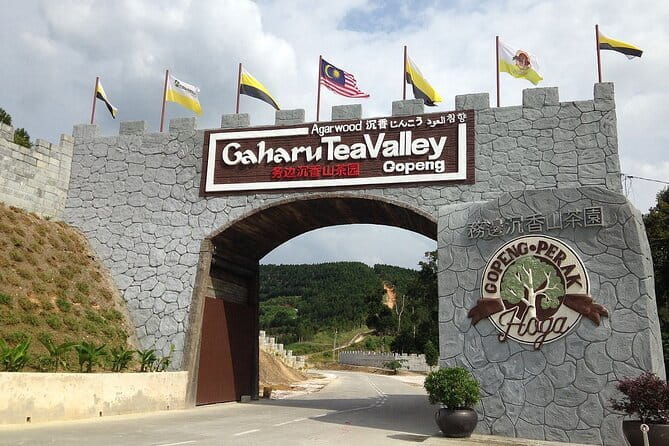
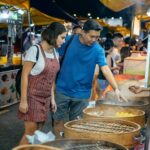
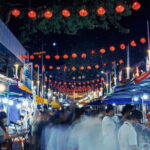
Stop six is Chinatown, or Petaling Street by locals. The description here is practical: you can find items from textiles to electronics, plus traditional Chinese food options in the area.
This is one of the strongest parts of the route if you like street life. It’s not just a single sight; it’s a whole shopping district where you can watch commerce happen. The guide can point out what’s worth your attention so you don’t lose the plot in a sea of stalls.
You spend about 30 minutes, admission free. The consideration is that Chinatown can feel active and crowded depending on the day. With a guided pace, it’s easier to stay focused on the “why” behind what you see, not just the “what.”
Kwai Chai Hong: Murals That Turn the Alley Into a Storyboard
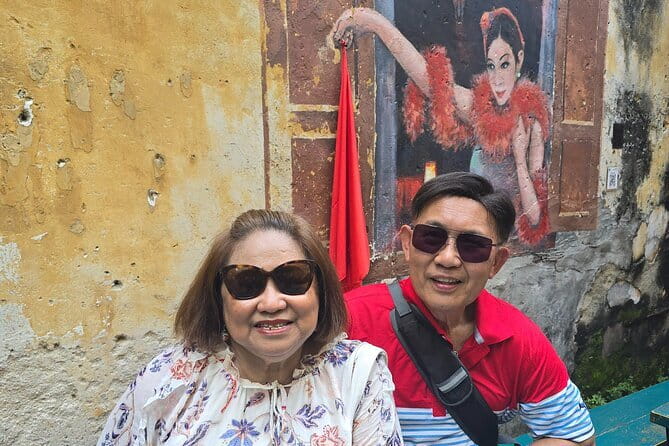
Stop seven is Kwai Chai Hong, also called the Little Demon Street. This is basically a photo-and-street-art stop. It’s described as a place with wall murals exploring traditional lifestyle of local Chinese.
This one is only about 15 minutes, but it’s a great breather between bigger civic and temple stops. I like quick mural stops because you can do it with your eyes open: look first, take photos second, then move on before the light shifts.
Admission is listed as free. The value is in the guide’s pointing—connecting mural scenes to everyday life themes, so the alley becomes more than background for your camera.
Sri Maha Mariamman Temple: The Indian Faith, Front and Center
Stop eight is Sri Maha Mariamman Temple, described as a popular temple in Kuala Lumpur. This closing stop matters because it completes the triangle the tour promises: Malay, Chinese, and Indian cultures and religions.
The route frames it as culturally attention-grabbing as well as religious. That combination is the point. In many cities, houses of worship can be either only spiritual spaces or only tourist visuals. Here, the tour’s design pushes you to look for both meanings.
You get about 30 minutes, admission free. Like the other stops, the time is short by museum standards. But that’s the deal for a half-day walk: you trade depth for breadth and walk away with a sense of how the city is layered.
What $39.03 Buys You: Guide, Route, and Local Stops
At $39.03 per person for about four hours, you’re paying mainly for the guide and the structure. You’re not paying for a long list of attraction tickets. In fact, the route notes free admission at each of the stop points, which is a big part of the value.
Another value lever is group size. The tour caps at a maximum of 15 travelers. That’s small enough for the guide to keep track of questions and help you connect dots instead of just talking into the crowd.
The tour also includes a walking tour and sightseeing with a licensed guide, plus a mobile ticket. It’s a straightforward setup, and it keeps the day simple: show up, walk, listen, look.
One more practical thing: lunch isn’t included. So plan to either grab food on your own nearby before or after. The tour style also hints you might want to keep exploring Chinatown or the craft market areas once you’re done.
Weather and Walking Pace: The Real-Life Considerations
This experience requires good weather. If it’s canceled because of poor weather, you’ll be offered a different date or a full refund. That’s exactly what you want on a walking route.
Because each stop is only 15–30 minutes, the pace is “active.” You’ll spend much more time moving between places than sitting with long explanations. If you love slow sightseeing, you may want to pair this tour with extra solo time in one or two areas that click for you.
Logistically, there’s no pickup or drop-off listed. The good news is the meeting point is in the city center at Masjid Jamek, and the tour is near public transportation.
Who This Tour Is Best For (and When to Skip)
This tour is ideal if you want a guided cross-section of KL without planning a complicated route yourself. It’s especially good for first-time visitors who need a way to understand where the city’s major cultural institutions fit together.
You’ll also like it if you enjoy photography, because several stops are clearly designed for pictures: the River of Life and the mural walls at Kwai Chai Hong. And if you like browsing crafts, Pasar Seni is the right kind of break—focused but not exhausting.
You might skip it or adjust your expectations if you want long stays at sites. The time per stop is short, so it’s more “orientation and highlights” than “complete deep learning.”
Should You Book This Half-Day Cultural Heritage Walk?
I think it’s a strong yes if you want to leave KL with understanding, not just photos. The format works: you start at Masjid Jamek, move through civic history at Merdeka Square, connect the city name story at the River of Life, shop for crafts at Pasar Seni, then complete the cultural triangle with Sin Sze Si Ya, Chinatown, Kwai Chai Hong murals, and Sri Maha Mariamman Temple.
The guide quality is a real selling point here. When guides like Yen and Ben lead, the commentary is clearly the backbone of the experience—especially for architecture and temple context. With a small group size, you also get a better chance of following along without feeling lost.
If your schedule is tight, the four-hour length is friendly. Just remember: no lunch and no pickup means you’ll want to plan your own start point, snacks, and post-tour meal.
If you come prepared for a brisk walk and want a clear cultural map of KL, this is one of the most practical ways to spend a half day.
FAQ
How long is the Half Day Cultural And Heritage Walking Tour in Kuala Lumpur?
The tour lasts about 4 hours.
Where does the tour start and where does it end?
The tour starts at Masjid Jamek in Kuala Lumpur City Centre and ends back at the meeting point.
Is lunch included?
No. Lunch is not included.
Do I need to buy tickets for the attractions on the route?
Admission is listed as free for the stops on the itinerary.
Is pickup or drop-off provided?
No. Pickup and drop-off are not included.
What’s the group size limit?
The tour has a maximum of 15 travelers.
What happens if the weather is bad?
The tour requires good weather. If it’s canceled due to poor weather, you’ll be offered a different date or a full refund.