REVIEW · KUALA LUMPUR
Private Malacca Day Tour from Kuala Lumpur
Book on Viator →Operated by Travel Malaysia by Skyline Holidays · Bookable on Viator
Malacca feels like time travel in daylight. This private day tour from Kuala Lumpur strings together big-name heritage stops and local-life favorites, so you get a strong sense of how Malacca grew under Portuguese and Dutch influences while still having room for modern street energy at Jonker Street. I like that it’s designed for comfort and pacing, not rushy checklists. The driver handles the transport in an air-conditioned vehicle, and the day is built around walkable sight clusters.
I love the practical mix of faith-and-architecture stops in the city center. You’ll see historic Catholic and Protestant churches alongside major Chinese and Malay religious sites, so the story of Malacca isn’t one-note. I also like the flexibility of a private format: you’re not stuck with a large group’s tempo, and the driving-and-stories format tends to make the stops feel connected.
One possible drawback: some of the most obvious add-ons cost extra. Mini Malaysia admission isn’t included, and the Malacca River cruise is also listed as an extra if you want it. Plus, it’s a longer day out of Kuala Lumpur, so your comfort depends on how you handle road time.
In This Review
- Key highlights worth planning for
- Price and logistics: what you’re really paying for
- When you leave Kuala Lumpur, the day starts moving fast
- Mini Malaysia & ASEAN Cultural Park: a good intro, but pay attention to fees
- A Famosa and St. Peter’s Church: Portuguese-era landmarks in plain sight
- Bukit St. Paul and Christ Church: Dutch and Anglican angles
- The Red Square, Cheng Hoon Teng, and Kampung Kling: faiths sharing the same city
- Bukit China and the Malacca hills: a slower moment
- Jonker Street: shopping and eating time that feels like the real Malacca
- Malacca River: trade-route context and the optional cruise
- Malacca Straits Mosque and Rumah Melayu: two “why Malacca looks modern” stops
- What the included items really mean for you
- The strongest reasons to book, based on the way people praise the day
- Who this private Malacca day tour is best for
- Quick cost check: plan for extras before you go
- Should you book this Malacca private day tour from Kuala Lumpur?
- FAQ
- How long is the Private Malacca Day Tour from Kuala Lumpur?
- Is hotel pickup and drop-off included?
- Is this a private tour?
- Do I ride in an air-conditioned vehicle?
- Do I need to pay for Mini Malaysia?
- Is the Malacca River cruise included?
- Are food and drinks included?
- Is there a tour guide included?
- What’s the confirmation process?
- What is the cancellation policy?
Key highlights worth planning for
- Private, driver-led day with English-speaking support in an air-conditioned vehicle
- City-center heritage route that jumps from forts and churches to temples and mosques
- Jonker Street time built in for snacks, shopping, and easy wandering
- Malacca River stop with a history angle, plus an optional cruise if you want it
- Mini Malaysia & ASEAN Cultural Park as a fast, structured intro (admission extra)
Price and logistics: what you’re really paying for
At $75 per person for a 7 to 8 hour private day, this is the kind of price that only makes sense if you value your own space and a smooth start-to-finish plan. You’re not just paying for sightseeing tickets. You’re paying for round-trip hotel transfer, the comfort of an air-conditioned car, and an English-speaking professional driver to manage the route.
Also, many of the stops are free to enter. Churches, temples, and landmark exteriors typically don’t require paid admission in the way ticketed attractions do. That matters because it helps you keep your spending predictable. The two big items to budget for are the entrance to Mini Malaysia and (if you add it) the river cruise.
One note on the “guide” piece: a dedicated tour guide isn’t listed as included. In practice, drivers on this style of tour often provide commentary while they drive and between stops. The feedback I see emphasizes drivers like Stan and Ramana, praised for being informative and fun, which suggests you’ll likely get helpful stories even without a separate guide. Still, if you’re the type who wants someone to lead each indoor stop with a prepared script, you might want to confirm what level of guiding commentary you’ll get.
You can also read our reviews of more private tours in Kuala Lumpur
- Private Tour Kuala Lumpur with Petronas Twin Towers Observation Deck & Batu Cave
★ 5.0 · 1,029 reviews
When you leave Kuala Lumpur, the day starts moving fast
This is a drive-and-see day, so timing is everything. Expect a full morning start from Kuala Lumpur, then a day in Malacca that’s organized as a chain of short walks and quick photo windows, with a couple of longer breaks.
The itinerary is built around clusters: fortified Portuguese-era remains, colonial-era churches on and around hills, then a spread of Chinese and Malay sites, followed by the downtown street area and the river. Because the stops are mostly close enough to hop between, you’re not constantly crossing the city blindly.
If you go on a busier day, road time can feel longer. One practical takeaway from feedback: Sunday traffic can be kind. On smoother days, the day feels balanced; on heavier weekdays, the same itinerary can feel like more of a “drive first, wander second” setup. Either way, the upside of the private car is that you control when you pause for photos and quick snacks.
Mini Malaysia & ASEAN Cultural Park: a good intro, but pay attention to fees
Your first stop is Mini Malaysia & ASEAN Cultural Park in Ayer Keroh. This is a theme-park-style sampler designed to give you a visual map of Malaysia’s traditional houses and also representations tied to ASEAN culture.
Why I like it for this particular tour: it gives you context before you hit the historic core. When you later see churches, temples, and colonial-era architecture, you’re not starting with zero background. You’ve already seen what “traditional houses” look like, which makes the real buildings feel more meaningful.
The downside is simple: admission isn’t included, and that’s an immediate extra cost. If you’re trying to keep the day lean, you should decide early whether you want this stop. If you love quick, structured context and don’t mind paying for it, it’s a helpful opener. If you’d rather spend every minute in the older streets, you may prefer to skip or treat it as a shorter visit.
A Famosa and St. Peter’s Church: Portuguese-era landmarks in plain sight
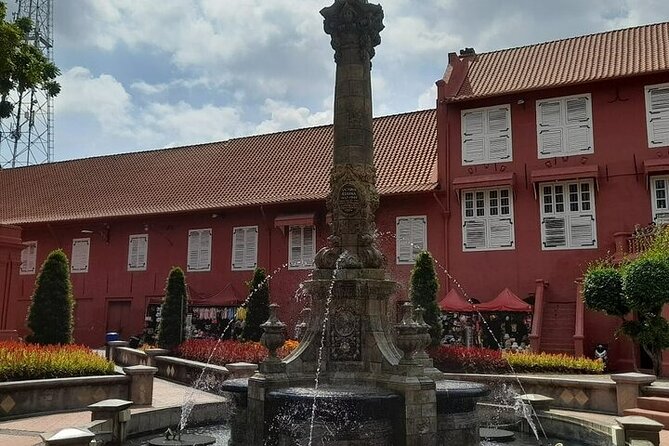
Next up is A Famosa Fort. Even if you only get a short look, it’s a big historical anchor. It’s described as a former Portuguese fortress and one of the oldest surviving European architectural remains in the region.
In practical terms, this is where you start to feel the “colonial layering” theme. Malacca’s story isn’t one emperor, one decade, and done. It’s centuries of occupation and trading power shifting hands. A Famosa gives you a physical remnant of that early European period.
Right after, you’ll stop at St. Peter’s Church (1710), described as the oldest functioning Roman Catholic church in Malaysia. It’s tied to the period when Malacca was described as a Christian town under Portuguese rule.
What to expect on a short visit: most of the value here comes from atmosphere and exterior scale, plus the chance to connect the forts to the religious sites that came with the colonial era. If you want quiet moments for photos, go at a calm pace inside the time window. These stops are short, so move efficiently but don’t sprint.
Bukit St. Paul and Christ Church: Dutch and Anglican angles
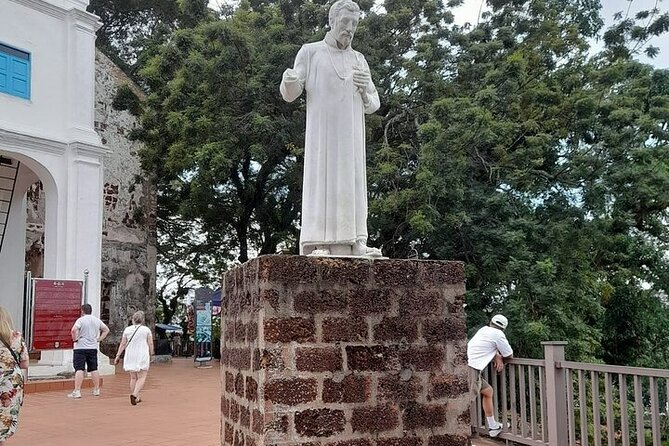
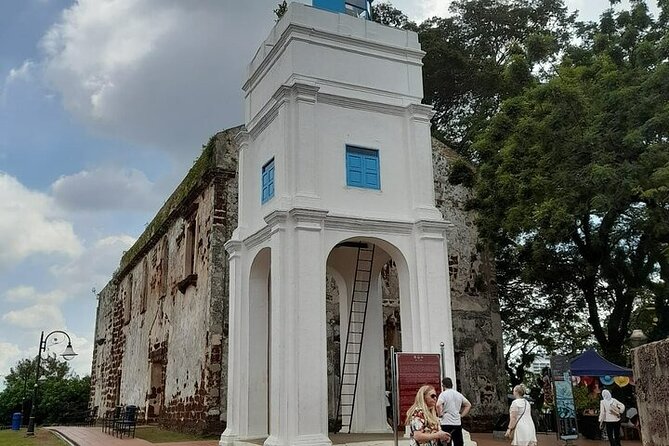
Then comes the hill views at St. Paul’s Hill & Church (Bukit St. Paul). This is a classic “one stop, two vibes” point. You get a hilltop church location connected to the Protestant story of Malacca, and it also sets you up for understanding why colonial power often built on elevated positions.
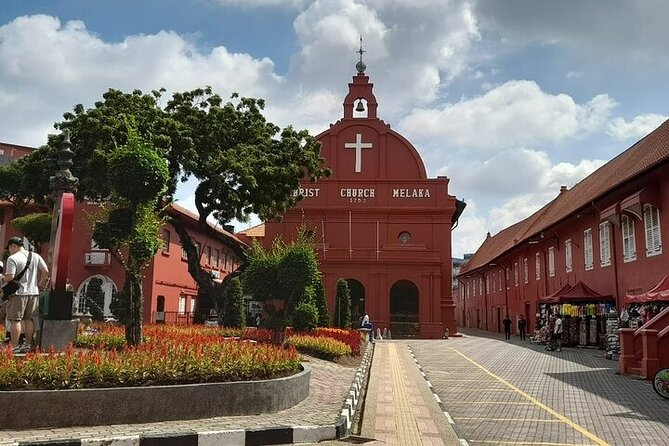
Next is Christ Church, described as the oldest functioning Protestant church in Malaysia. The construction started during the Dutch occupation era and was completed later, tying it to the timeline of shifting control.
The practical trick here is to treat these two as a mini narrative, not separate sights. When you see the hill setting first and then the church afterward, you understand how religious institutions sat inside the political geography of the time. It also helps you compare architectural styles without needing a museum.
Time is tight at each stop (around 15 minutes each in the itinerary), so if you enjoy reading plaques and inscriptions, plan to focus on the most important panels. In places like this, you don’t need every detail. You need the main story line.
- Private Tour Kuala Lumpur with Petronas Twin Towers Observation Deck & Batu Cave
★ 5.0 · 1,029 reviews


The Red Square, Cheng Hoon Teng, and Kampung Kling: faiths sharing the same city
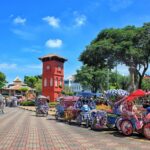
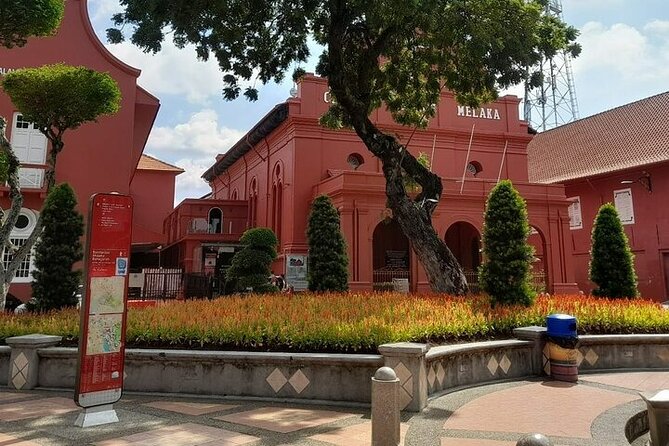
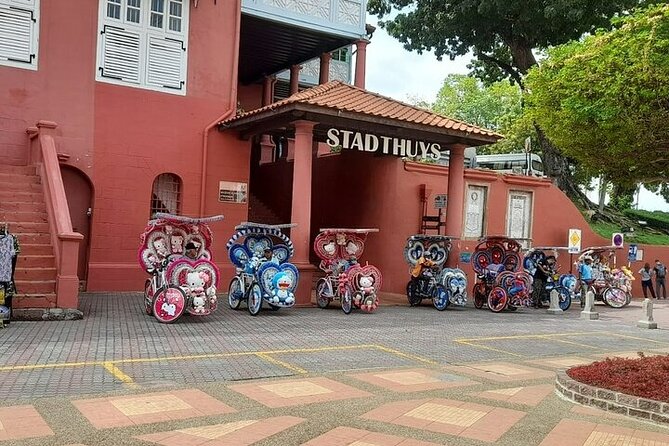
After the church-and-hill section, you move into the Malacca City core where historic buildings compress together. The stop at Red Square (Dutch Square) focuses on the Stadthuys, described as a historic building near the heart of the administrative capital.
This is a great photo pause. Even if you’re not an architecture fanatic, the square layout makes it easier to frame shots and understand the administrative “center” idea. It also gives you a mental reset after the hilltop stops.
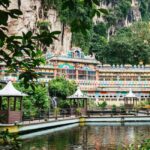
From there, the tour heads to Cheng Hoon Teng Temple, described as the oldest Chinese temple in Malaysia that practices the three doctrinal systems of Buddhism, Confucianism, and Taoism. This is one of those stops where you’ll likely notice the mix of traditions in how the temple is presented and respected.
Then there’s Kampung Kling Mosque, linked to Indian Muslim traders and described as originally a wooden structure, rebuilt in brick later. It retains traditional design elements, and the stop gives you a strong view of how different communities shaped Malacca’s urban fabric.
Why this combination works on a private tour: you’re not jumping randomly across the map. You’re going from one historic “center of community” to another. Even with short time slots, it feels like Malacca’s identity is multi-religious, not layered in separate boxes.
Bukit China and the Malacca hills: a slower moment
Next comes Bukit China (Chinese Hill). It’s described as a hillside of historical significance and located several kilometers north of the Dutch town center. It’s another spot where the geography matters. When you’re in a flat city, hills and rises feel like old waypoints—places people chose for visibility and meaning.
Because the itinerary gives it a shorter block, you won’t get hours of wandering unless you choose to extend your time on the ground. Still, even in a brief window, you’ll get the sense that Malacca wasn’t just “the port at street level.” It had a wider map of community sites.
If you’re the type who likes viewpoints, bring a good pair of walking shoes. Even light walking on uneven ground can add up over a full day.
Jonker Street: shopping and eating time that feels like the real Malacca
Now for the part people usually remember: Jonker Street. The tour includes time here for about half an hour, which is short enough to feel like a sprint, but long enough to do something fun if you keep it simple.
Jonker Street is described as an attractive area to visit, known for hunting for food and shopping. In practical terms, this is where you can grab snacks for the road, pick up small souvenirs, and soak in the street rhythm without needing a guided explanation for every stall.
My advice: don’t plan to “cover everything.” Pick a lane. Decide if you want food first or shopping first. Then walk with purpose for 20 minutes and leave 10 minutes for a last look.
This short block is also valuable because you can balance the day. If earlier stops felt too church-heavy or too history-heavy, Jonker Street brings you back to everyday Malacca.
Malacca River: trade-route context and the optional cruise
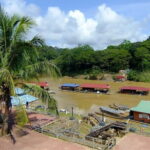
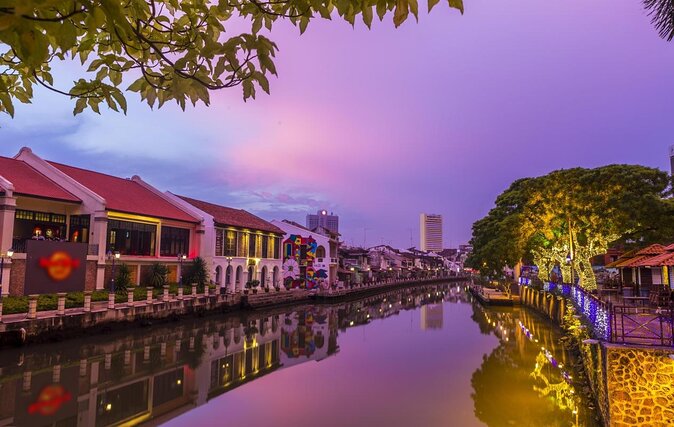
The itinerary then includes a longer stop at Malacca River. The river is described as a vital trade route during the heyday of the Malacca Sultanate in the 15th century. That one sentence changes how you see everything else. Forts, churches, temples, and markets weren’t built in a vacuum. They were tied to trade and people moving through.
The river stop lasts about an hour. That’s enough time to walk the edges, pause for photos, and decide if you want the optional extra: the river cruise is listed as not included (about $7).
If you’re not sure whether to add the cruise, decide based on your energy. If you’ve walked a lot and want a calmer way to see the river, the cruise can be worth it. If you prefer to keep your budget tight or you dislike paying for a short ride, you can still get plenty from the riverfront time itself.
Malacca Straits Mosque and Rumah Melayu: two “why Malacca looks modern” stops
Near the end, the tour includes Malacca Straits Mosque, opened on 24 November 2006. The description places it on man-made Malacca Island in Malacca City. This stop adds a contemporary layer so the day doesn’t feel trapped in colonial-era scenery.
Then there’s Rumah Melayu Melaka (Malacca Malay House), described as a traditional Malay house found across Malacca and noted as a traditional example that remains today. The key value here is scale and atmosphere rather than ticketed spectacle. It helps round out the story so Malacca isn’t only Portuguese, Dutch, and British architecture.
These are shorter stops, but they help you finish the day with a sense of continuity: older communities stayed, new eras arrived, and the city’s identity keeps evolving.
What the included items really mean for you
Here’s what’s included: an English-speaking professional driver, an air-conditioned vehicle, and round-trip hotel transfer. The tour is also private, so only your group participates.
What’s not included: Mini Malaysia admission (listed at about $20 USD), food and drinks unless specified, a tour guide (not included as a separate role), and the Malacca River cruise (listed at about $7 USD).
This matters because it shifts the value equation from “tickets” to “time and transport.” Many people struggle with day trips because of logistics: getting there, figuring out routes, managing timing, and trying to squeeze too much in. A private driver removes most of those headaches.
I also like the mention of a mobile ticket. It’s small, but it reduces friction on the day itself.
The strongest reasons to book, based on the way people praise the day
The feedback pattern is consistent: the driver makes the day. Names like Stan and Ramana come up with praise for being informative and fun, plus the practical care of keeping the car clean and new.
Two specific positives stand out for me:
- Stories that connect the stops so the day feels like a coherent route, not isolated photo ops.
- Comfort and pacing in a private car, especially helpful for families with kids and senior citizens, since the tour format avoids constant transfers and long waits.
If you want an easy, low-stress “Malacca day” that still feels personal, that’s where this tour earns its place.
Who this private Malacca day tour is best for
This is a strong fit if you:
- Want to see a lot of Malacca without organizing transport yourself
- Prefer a private pace over a big-group schedule
- Like mixing famous landmarks with neighborhood-feeling stops like Jonker Street
- Travel with mixed ages (the tour description points to families with kids and senior citizens)
It’s also a good option if you want a structured route but still value flexibility, since the private vehicle setup is built for quick stops and adjusted time on the ground.
If you’re a museum-only traveler who needs long interior visits, you might find the short stop durations limiting. This day is more about seeing and connecting than about deep, sit-down exploration.
Quick cost check: plan for extras before you go
To budget realistically, think:
- Base price: $75 per person
- Mini Malaysia admission: about $20 USD (not included)
- River cruise: about $7 USD (optional)
- Food and drinks: not included
If you skip the cruise, you can keep the day cheaper. If you’re excited about the theme-park-style intro at Mini Malaysia, factor that in early so it doesn’t surprise you later.
Should you book this Malacca private day tour from Kuala Lumpur?
I’d book it if you want a smooth, private day that hits the main heritage zones plus Jonker Street and the river, with a driver who can turn the itinerary into a story. The biggest win is the balance: colonial-era landmarks, faith sites, and modern Malacca feel present in one route, without you needing to plan each turn.
Skip this only if you’re chasing slow, deep visits and long museum time. This tour is built for motion and smart stops, not hours of sitting inside big attractions.
If you’re unsure, decide based on two questions: Do you want the convenience of a private driver? And are you okay paying extra for Mini Malaysia (and possibly the river cruise) to complete the day?
FAQ
How long is the Private Malacca Day Tour from Kuala Lumpur?
The tour runs about 7 to 8 hours.
Is hotel pickup and drop-off included?
Yes. Round-trip hotel transfer is included.
Is this a private tour?
Yes. It’s private, so only your group participates.
Do I ride in an air-conditioned vehicle?
Yes. An air-conditioned vehicle is included.
Do I need to pay for Mini Malaysia?
Yes. Entrance to Mini Malaysia is not included.
Is the Malacca River cruise included?
No. The River Cruise is not included.
Are food and drinks included?
No. Food and drinks are not included unless specified.
Is there a tour guide included?
No. A tour guide is not included, though you have an English-speaking professional driver.
What’s the confirmation process?
Confirmation is received at the time of booking.
What is the cancellation policy?
You can cancel for a full refund up to 24 hours before the experience starts. After that, no refund is offered.
You Might Also Enjoy

More Private Tours in Kuala Lumpur
- Private Tour Kuala Lumpur with Petronas Twin Towers Observation Deck & Batu Cave
★ 5.0 · 1,029 reviews