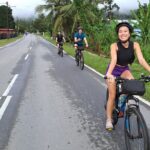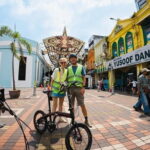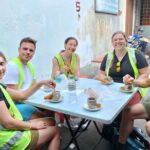
Secret KL is easier by bike. This half-day ride stitches together old and new Kuala Lumpur through a maze of side streets, quiet passages, and food stops you’d never find on your own, and it’s guided by Elena with a talent for turning daily life into something you can see. I especially like how the route feels like a real neighborhood walk, just with wheels and a helmet.
I also love the balance of sights and tastes: you get heritage trades and places of worship, then you slow down for things like Hainanese coffee, Indian breakfast, and teases of tropical fruit at market stops. The main drawback is simple: it’s not a relaxed stroll. You’ll ride and walk in heat (some stops are tight and single-file), you need a moderate fitness level, and it’s not suitable for people with certain health or mobility limits.
In This Review
- Key highlights to look forward to
- From Q Cafe to secret Kuala Lumpur’s doorway
- Petaling Street and Sultan Abdul Samad: the public face first
- The real show: hidden alleyways that connect new and old
- Temples, mosques, and hand-made trades you can see up close
- Stilt houses and the quiet logic of old village life
- Food stops and fruit market moments that actually fit the route
- Teh-tarik and optional local bread making
- Modern KLCC near the end: why the contrast lands
- Small group size, heat realities, and what to bring
- Price value: $75 for a 4-hour “two worlds” experience
- Should you book Hidden Kuala Lumpur?
- FAQ
- FAQ
- How long is the Hidden Kuala Lumpur bike tour?
- How much does the tour cost?
- Where do I meet the guide?
- What’s included in the price?
- What languages are the guides?
- What is the minimum age to join?
- Is there free cancellation?
Key highlights to look forward to
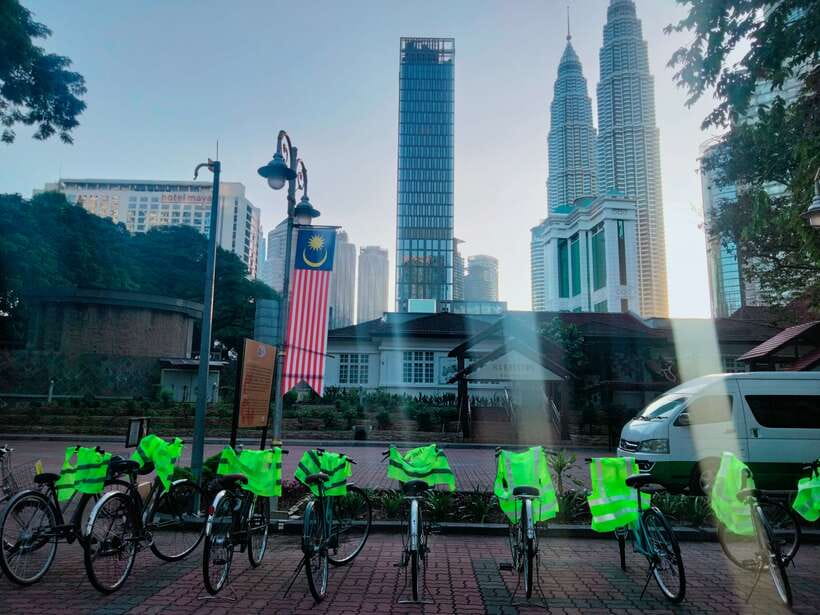
- Labyrinth alleyways linking modern KLCC energy to older village life
- Elena’s cultural context, including daily rituals and how different religions shape the city
- Food stops that feel local, from Hainanese coffee to market snacks and teh-tarik
- Places of worship plus time to observe without rushing
- Stilt houses and hand-made heritage trades you can actually see in action
- A small-group vibe (max 6), which matters on narrow streets
From Q Cafe to secret Kuala Lumpur’s doorway
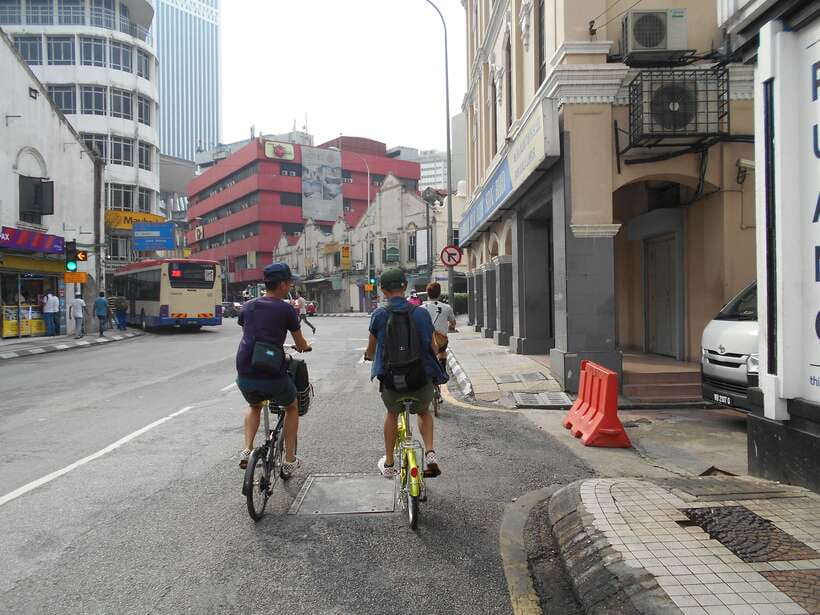
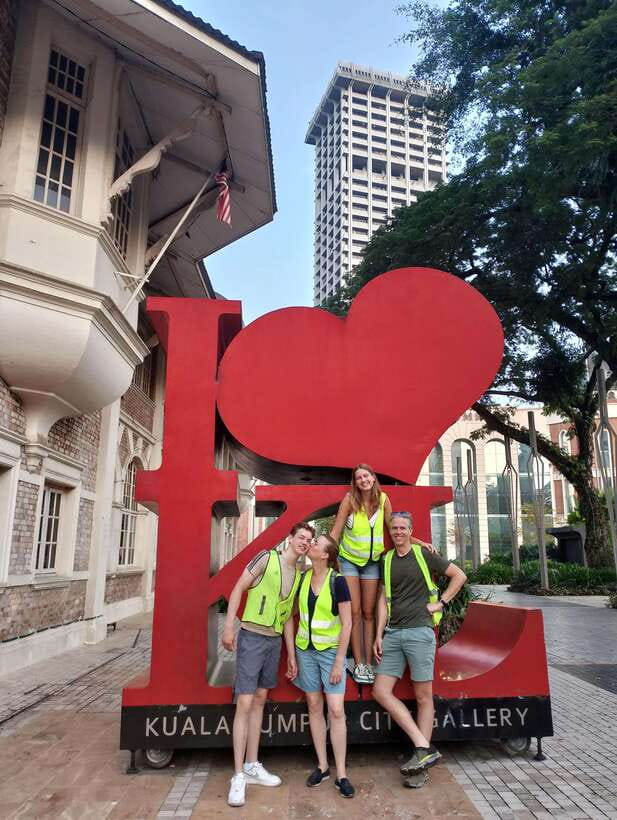
Your tour starts at Q cafe Menara DBKL 1 on Jalan Raja Laut. Arrive about 15 minutes early so you’re not doing a last-minute helmet scramble, especially since the day’s plan depends on moving together through the city.
The first thing I liked is the way you’re not thrown into traffic right away. The tour takes you from the Kuala Lumpur City Gallery area toward downtown landmarks like the iconic Sultan Abdul Samad Building and Petaling Street. That early stretch gives you orientation: where the city’s big public face is, and where the quieter “in-between” areas begin.
This is also when you’ll get your first taste of classic KL routine. You can expect a stop for traditional Hainanese coffee near Petaling Street before the ride turns more adventurous.
You can also read our reviews of more cycling tours in Kuala Lumpur
Petaling Street and Sultan Abdul Samad: the public face first
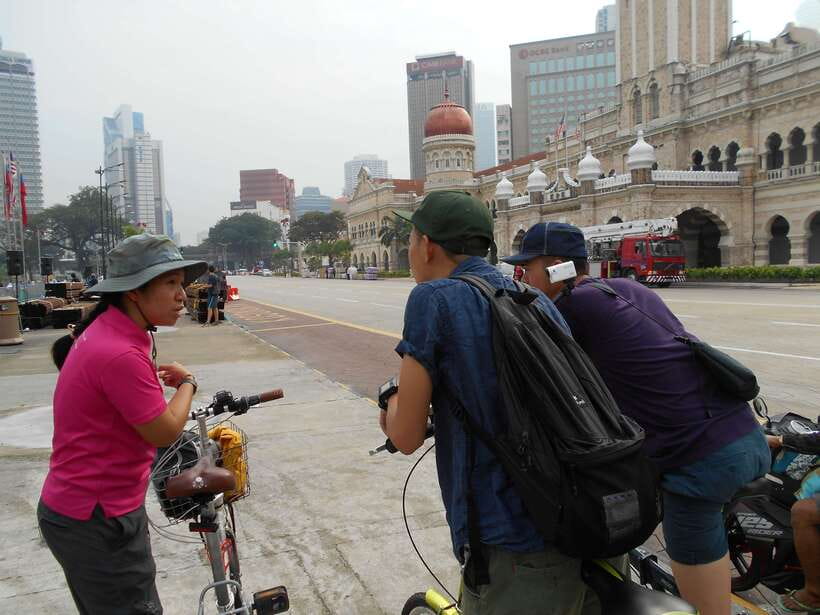
If you’ve only seen Kuala Lumpur from wide avenues and shopping streets, this part helps you understand the city’s logic. Sultan Abdul Samad is one of those landmark structures that makes the skyline feel anchored in time, and Petaling Street shows you how everyday city life moves through markets, snack stalls, and crowds.
But the goal isn’t to “hit the famous stuff” and leave. It’s to use these major points as reference markers, so when the tour slips into smaller streets later, you understand what you’re looking at.
And if you’re a food person, you’ll like the early groundwork. Reviews often mention breakfast and multiple tasting pauses across the route, which tells me the operator aims to keep your fuel matched to the walking and riding pace.
The real show: hidden alleyways that connect new and old
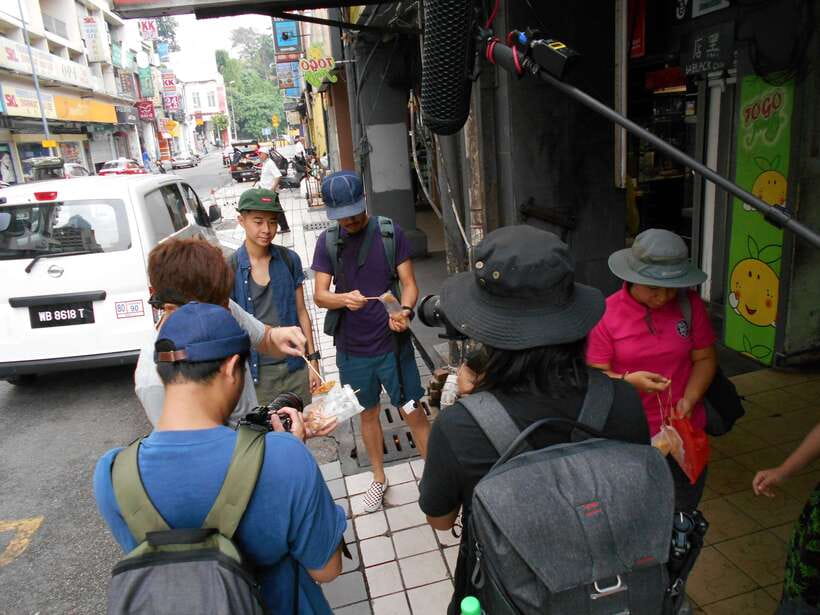
Then comes the moment you came for: the bike ride into the labyrinth of hidden alleyways. Kuala Lumpur has a habit of looking one way from a main road and another way five minutes later. This tour leans into that. You’ll see a connection between modern development and older community patterns, often block by block.
The route includes moments that feel like stepping behind the city’s curtain. You might follow a guide into a dark single-file passage that opens to a secret morning junk market that’s mainly for locals. It’s not about shock value. It’s about showing you how daily shopping and repairs work in parts of KL that aren’t on most visitor routes.
I also like that the tour treats getting lost as part of the fun. You’re not just collecting photos; you’re learning how neighborhoods actually link. When you circle back later, the map in your head suddenly clicks.
Temples, mosques, and hand-made trades you can see up close
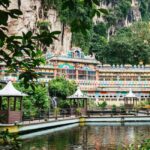
One of the most praised parts of the experience is how it handles culture beyond the postcard. Expect stops around places of worship, including visits connected to temples and a mosque, plus time to observe and listen while your guide explains how different communities live side by side.
What makes this worthwhile is the tone: you’re not being lectured. Instead, you get context for things you’d otherwise walk past. That includes understanding daily rhythms and how those rhythms show up in markets, morning routines, and where people gather.
You’ll also encounter heritage hand-made trades. The tour doesn’t just point at “old culture.” It aims to show you the work: the kinds of crafts and local production that keep skills alive in the middle of a changing city. Even if you’re not shopping, it’s the difference between reading about a place and seeing it in motion.
Stilt houses and the quiet logic of old village life
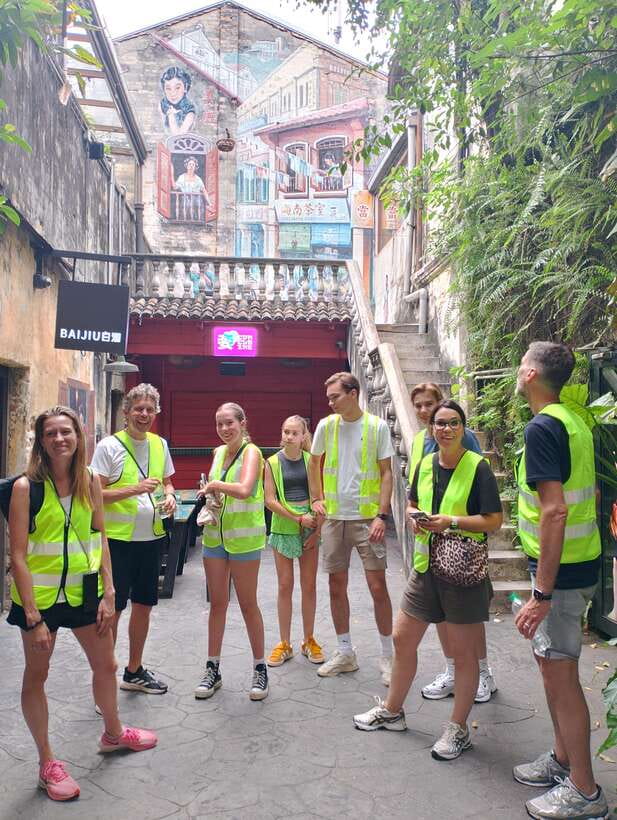
Some tours zoom past older neighborhoods. This one slows down enough for you to notice details like old village houses on stilts. That’s a specific kind of architectural response to the local environment and a visible clue that KL didn’t always grow in the same way it does today.
You’ll also keep mixing time periods. You might catch glimpses of modern structures, including KLCC-era architecture, while still moving through areas that feel more community-based and less commercial.
This mix is the point. Kuala Lumpur isn’t only skyscrapers or only old lanes. It’s both, sometimes side by side. Riding between them is the fastest way I know to understand that the city’s layers overlap rather than replace each other cleanly.
- Private Tour Kuala Lumpur with Petronas Twin Towers Observation Deck & Batu Cave
★ 5.0 · 1,029 reviews


Food stops and fruit market moments that actually fit the route
This tour has a food side that’s more than a token snack. In reviews, people repeatedly highlight tasting moments: market stops, Indian breakfast, and fruit tastings that go beyond the usual bananas-and-cashews idea of “tropical.”
A strong example is that your route includes hidden Chinese eateries and local places where people eat and buy without turning it into a tourist performance. That matters because tastes and smells are often the most honest way to understand what people value daily.
You’ll also get refreshments along the way. The tour includes a bottle of water, and it’s built with regular pauses in mind. Still, keep in mind the ride can run in hot weather, and you may spend extra time depending on group size, rider abilities, and conditions.
Teh-tarik and optional local bread making
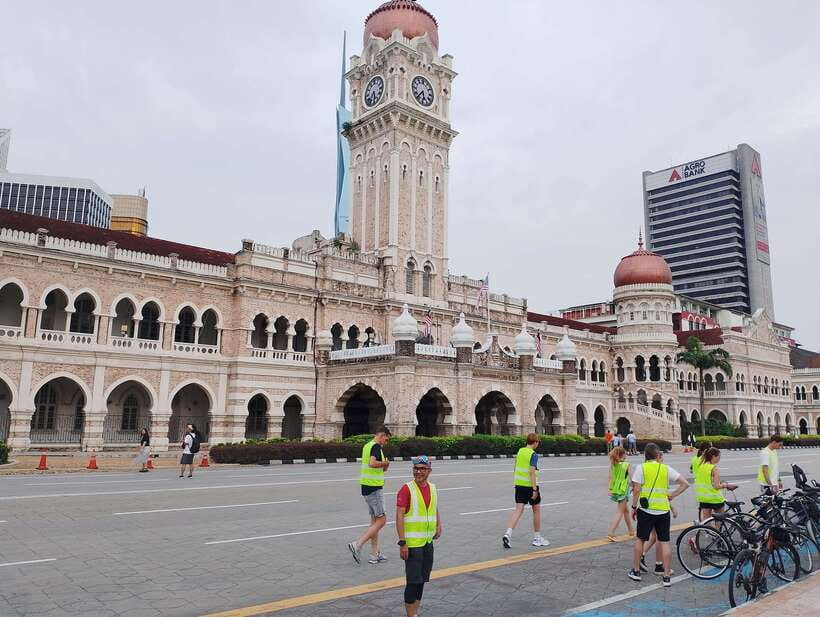
One of the most memorable parts of the experience is the way it ties local drinks to daily habit. Expect teh-tarik as part of the program. If you’ve only seen milk tea from a distance, this is where you get the real social function: it’s a ritual, not just a beverage.
There’s also a chance to make local bread, though it’s explicitly subject to availability. I like tours that don’t promise a hands-on activity every single time, because it protects the experience from rushing. If you get the bread moment, you’ll have a clearer sense of work and process, not just flavor.
Either way, the combination of a drink ritual plus an optional craft activity helps the tour feel lived-in. It’s not only “look and go.” It’s “watch, taste, and understand how people do things.”
Modern KLCC near the end: why the contrast lands
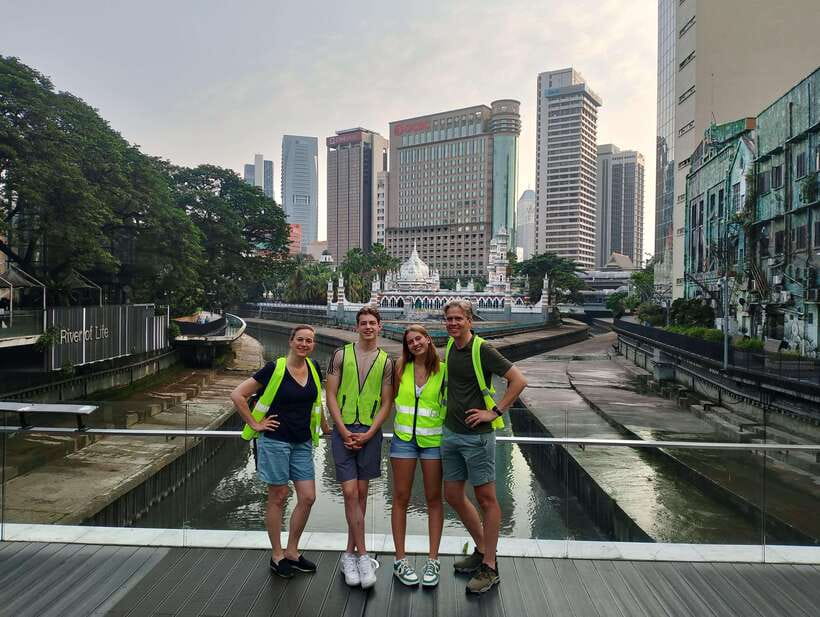
As the tour heads toward the downtown area again, you get contrast. You can finish with a sense of the city’s modern face near KLCC, but you’ll carry the earlier context with you.
That contrast matters for how you remember the city. If you only see the big skyline, Kuala Lumpur can feel like a single layer. If you only see old neighborhoods, it can feel frozen in time. This bike route helps you hold both realities at once, and that makes your photos and your mental map more meaningful.
Small group size, heat realities, and what to bring
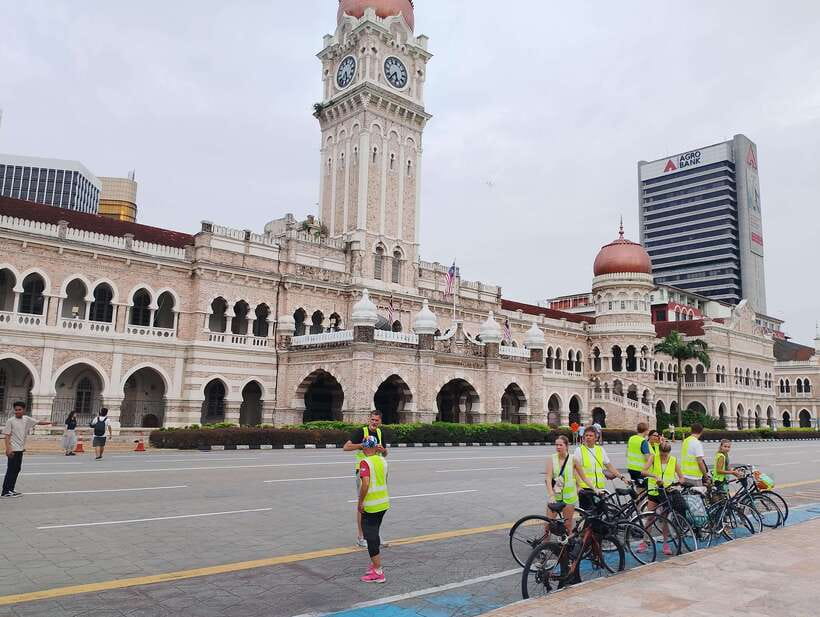
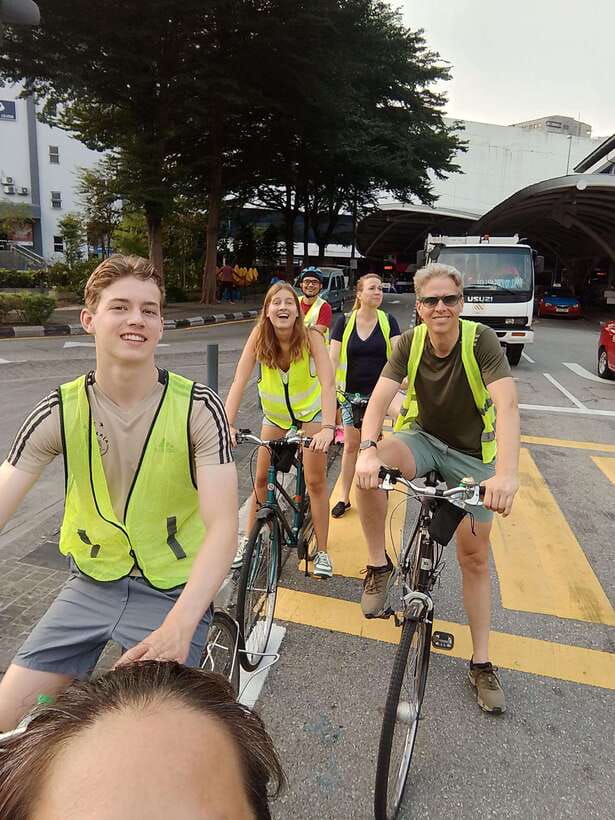
This tour runs with a small group limited to 6, which is a big deal on narrow streets. Smaller numbers mean less waiting, easier navigation through tight passages, and more chances to ask questions.
It also means your guide can monitor the group. One review specifically notes the challenge of cycling in around 34°C, so do plan for heat even if the day feels “only warm” at first. Bring a hat and sunscreen, and wear closed-toe shoes. Comfortable clothing matters too, because you’ll likely be walking as well as riding.
Also note what’s not allowed: luggage or large bags. If you’re traveling light, great. If you’re hauling a big daypack, you’ll want a plan for keeping it minimal.
Health-wise, there are clear limits. The tour isn’t recommended for people with heart issues or serious medical conditions, it’s not suitable for pregnant women, and it’s not built for mobility impairments. The minimum age is 12 years (and there’s also a minimum height requirement of 3 ft 9 in / 120 cm).
Price value: $75 for a 4-hour “two worlds” experience
At $75 per person for 4 hours, you’re paying for more than bike rental. The tour includes bicycle and helmet, a bottle of water, and refreshments, plus a live guide in English and Malay.
The value angle is the routing. You’re getting a compact half-day that connects landmark Kuala Lumpur to hidden local spaces: secret markets, trades, places of worship, stilt houses, and food stops like Hainanese coffee and teh-tarik. That’s a lot of “variety with context,” and the small group size helps you actually experience it rather than just pass through.
If you’re the kind of traveler who likes to understand how cities function day to day, this is a strong use of time. If you only want famous sights with minimal walking, you might feel it’s more “neighborhood adventure” than “easy sightseeing.”
There’s also an extra note of value that I appreciate: each booking includes a contribution pledge from the local operator per adult bike tour participant to Puan Nafsiah’s 100-year-old Kampung Baru home. It’s not marketing fluff in the middle of your ride; it’s something tied to the community the tour highlights.
Should you book Hidden Kuala Lumpur?
Book it if you want Kuala Lumpur with a real local texture: alleyways, food, places of worship, and heritage trades, plus the satisfying moment when the modern skyline shows up near the end and makes the contrast click.
Skip it if you need a fully accessible, low-walking experience, or if heat and tighter passages are a problem for your health. Also skip if your day is built around heavy shopping or you’re carrying lots of luggage.
If you’re flexible, moderately fit, and curious, I think you’ll leave with a smarter sense of Kuala Lumpur than you’d get from another loop around major streets.
FAQ
FAQ
How long is the Hidden Kuala Lumpur bike tour?
The tour duration is 4 hours.
How much does the tour cost?
The price is $75 per person.
Where do I meet the guide?
Meet your guide at Q cafe Menara DBKL 1, Jalan Raja Laut, Kuala Lumpur. Arrive 15 minutes early.
What’s included in the price?
The tour includes a bottle of water, refreshments, and bicycle and helmet.
What languages are the guides?
Live tour guidance is available in English and Malay.
What is the minimum age to join?
The minimum age to participate is 12 years.
Is there free cancellation?
Yes. You can cancel up to 24 hours in advance for a full refund.