REVIEW · KUALA LUMPUR
4-Hour Inspiring KL Cycling Tour
Book on Viator →Operated by Vespalicious Tours · Bookable on Viator
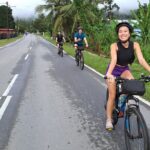
Two wheels, serious KL stories. In just 4 hours, this ride braids colonial streets, temples, and city viewpoints with food stops that feel local, and I like how guide Irwan turns quick photo stops into real context. The only catch: you need decent weather and you’ll be cycling through traffic-adjacent streets, so bike comfort matters.
I like that the pace is structured—enough time at key places to feel the vibe, not so much that you’re bored. At $85 per person, you also get a helmet, reflective vest, poncho, first-aid kit, bottled water, plus breakfast at the start and lunch at the end.
You start at Dusky Leaf Adventures near Chow Kit at 9:00 am and end back at the same meeting point, covering KLCC, Saloma Bridge, Chow Kit Market, Dataran Merdeka, the River of Life area, temples, Chinatown (including Rex Theatre), and Jamek Mosque before finishing with lunch at Asian Heritage Row.
In This Review
- Key highlights to pay attention to
- Getting rolling at Asian Heritage Row: gear up, then get oriented
- KLCC, Bukit Bintang, and the pedestrian walkway: where the skyline meets street life
- Saloma Bridge to Petronas: the photo stops are fast, but the views are the point
- Chow Kit Market: a real KL food-and-market stop (not just a quick glance)
- Jalan Tuanku Abdul Rahman: crafts, traditional gear, and heritage cues
- Dataran Merdeka: Independence Square with a context you can remember
- The River of Life area: Klang and Gombak confluence lessons
- Temple stops that actually make sense: Sin Sze Si Ya, Sri Maha Mariamman, and Jamek Mosque
- Chinatown and Rex Theatre: markets, streets, and a creative face
- Back to AHR for lunch: your payoff meal and the ride wrap-up
- Price and value: why $85 feels fair for this mix
- Who should book this cycling tour (and who should think twice)
- Quick tips for your day: how to show up ready
- Should you book this 4-hour KL cycling tour?
- FAQ
- FAQ
- How long is the Kuala Lumpur cycling tour?
- How much does the tour cost?
- What time does it start, and where do I meet?
- Does the tour include pickup?
- Is there a group size limit?
- What’s included with the price?
- What happens if the weather is bad?
- What if I want to cancel?
Key highlights to pay attention to
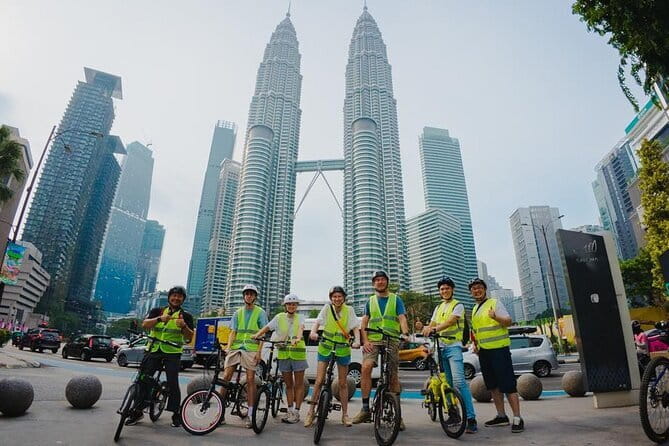
- Small group (max 15) keeps the ride easier to manage and the guide easier to hear
- Safety kit is real: helmets, reflective vests, ponchos, and first-aid kits are part of the deal
- Food timing is built in: light breakfast first, lunch at the end, plus soda/pop and snacks
- City icons without a full-day slog: KLCC, Saloma Bridge, Merdeka Square, and more in one loop
- Temple stops are planned: Sin Sze Si Ya, Sri Maha Mariamman, and Jamek Mosque are included
Getting rolling at Asian Heritage Row: gear up, then get oriented
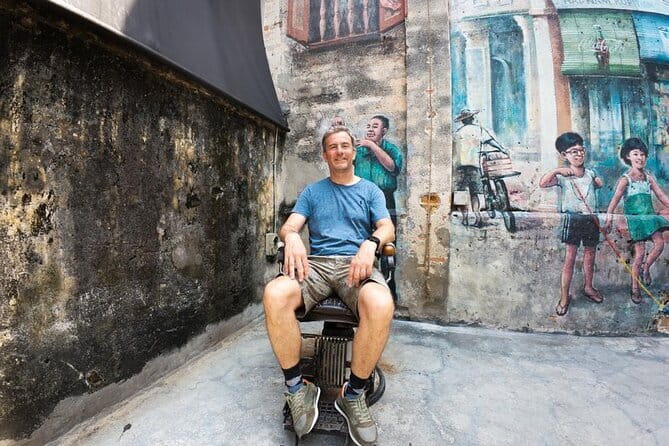
The tour begins at Asian Heritage Row (AHR), where you meet your guide and the other cyclists. You’ll get your bicycle and safety gear right away—helmet, reflective vest, and route briefing—so the first moments are about getting confident before you hit the streets.
AHR also sets the tone: you’re in a part of KL that’s closely tied to the city’s older layers. Even at the start, the focus isn’t just movement—it’s learning how Kuala Lumpur grew, and why the Colonial Core architecture is still a strong visual reference point.
You’ll see the colonial past from the outside first, then it becomes a theme you keep noticing as the route changes neighborhoods. It’s a smart way to avoid the usual KL problem: seeing famous buildings but missing the why behind them.
You can also read our reviews of more cycling tours in Kuala Lumpur
KLCC, Bukit Bintang, and the pedestrian walkway: where the skyline meets street life
Next you head toward Bukit Bintang, using a pedestrian walkway along the shopping-and-entertainment stretch. This is one of those areas where KL feels modern in a loud, in-your-face way—brands, people-watching, and street energy.
Your time here is short, but it works. You’re not trying to shop for four hours. You’re getting your bearings, grabbing quick photos, and learning how the city’s commercial center connects to the next big icon.
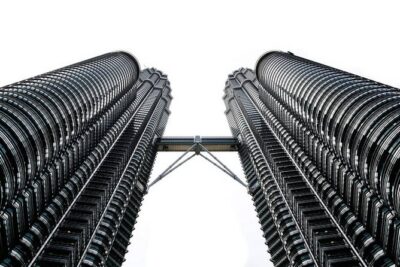
Then comes the ride toward Saloma Link Bridge and on toward the Petronas Twin Towers. The route crosses the kind of “in-between” space that most visitors skip: you’re on a bike, so you feel the transition from one famous spot to the next instead of hopping by taxi.
This is where I think the tour scores highest for many first-time visitors—KL’s biggest landmarks are shown, but the cycling makes the experience feel like a route, not a checklist.
Practical note: if you don’t love close-to-traffic situations, keep your expectations realistic. The route is designed for cycling, but city biking means staying alert and trusting the guide’s instructions.
Saloma Bridge to Petronas: the photo stops are fast, but the views are the point
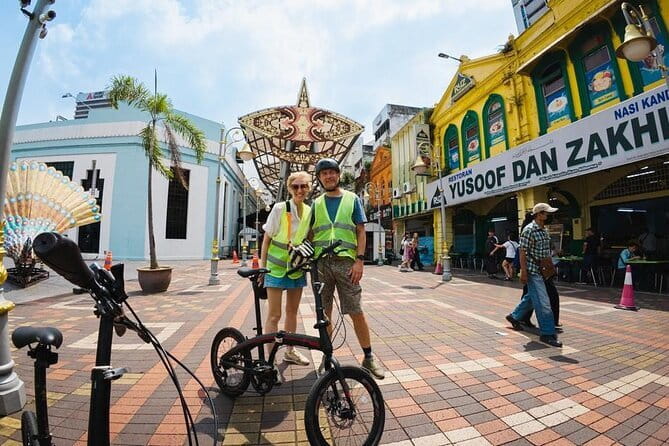
The Saloma Bridge section is built around one job: get you from KL’s everyday energy into a clean line of sight for iconic landmarks. On a bike, you also get that breeze factor that makes the Petronas area feel less like a hot waiting room.
Even if your favorite part is the scenery, the guide’s commentary matters here. It’s not just where you are, it’s what the “new icon” means in a city that still carries older identities in the background.
Your stop time is tight, so if you’re the type who needs ten minutes to perfectly frame one photo, you’ll want to move fast and accept that the best shot is the one you can actually get.
Chow Kit Market: a real KL food-and-market stop (not just a quick glance)
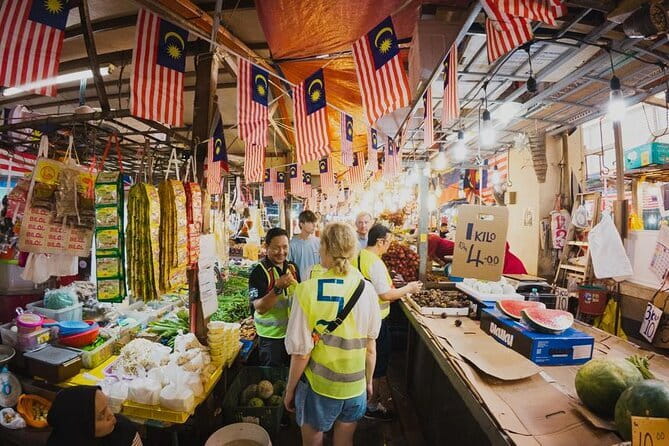
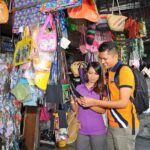
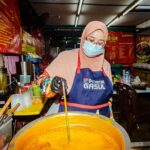
Then you shift to Chow Kit Market, one of KL’s older market areas. This is where the tour leans hard into everyday life: fresh produce, seafood, herbs, and the kind of trading energy that’s hard to recreate from photos.
The time here is longer than most stops (around 45 minutes), and that’s a big deal. Market visits are usually either rushed or they turn into shopping marathons. This one stays practical, giving you enough time to look, ask questions, and taste the local food vibe without losing the rest of your day.
I like that the tour places this stop after the big skyline moments. The contrast helps you understand KL’s rhythm: gleaming towers on one side, market textures on the other.
If you’re sensitive to crowds or you prefer quiet museums, you might find the market segment intense. Still, if you want the city to feel like a living place, this stop does that job.
Jalan Tuanku Abdul Rahman: crafts, traditional gear, and heritage cues
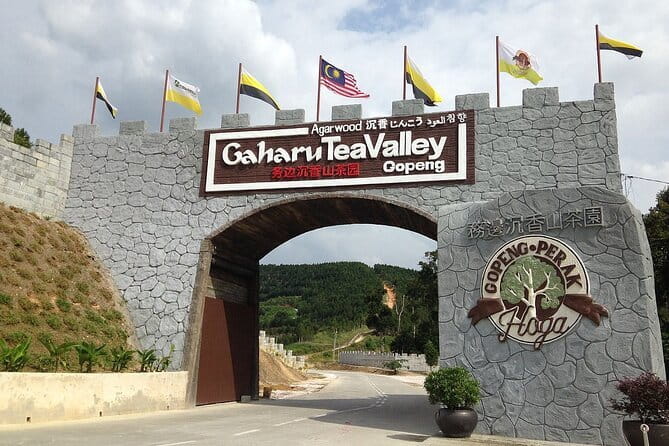
After Chow Kit, you cycle along Jalan Tuanku Abdul Rahman, stopping for a closer look at traditional crafts and Malay heritage gear customs. This segment is shorter than the market, but it changes the pace in a useful way.
Instead of watching KL only through landmarks, you get a practical sense of what people wear and how traditions show up in daily life. It’s also a good mental reset: you’re moving from food textures to cultural details.
One drawback to consider: if your cycling comfort depends on smooth, wide lanes, this kind of street exploration can be more stop-start. The ride is still well guided, but this part is about observation as much as motion.
- Private Tour Kuala Lumpur with Petronas Twin Towers Observation Deck & Batu Cave
★ 5.0 · 1,029 reviews

Dataran Merdeka: Independence Square with a context you can remember
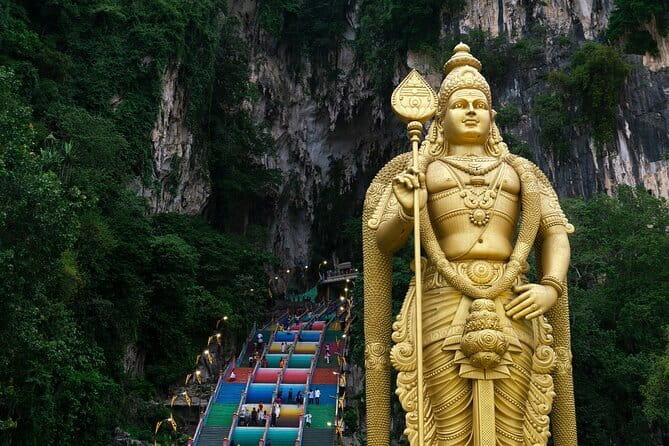
At Dataran Merdeka (Independence Square), you get a planned moment to connect KL’s present to its national story. This stop is brief (about 15 minutes), but the point isn’t a long lecture—it’s to help you see why the square matters when you’re there.
Even for people who don’t care about monuments, Independence Square tends to land because it’s so visually clear and emotionally loaded. When you connect it to what you’ve already seen—colonial architecture earlier in the route—the contrast makes the place easier to understand.
If you’re the type who loves “why this matters” storytelling, this is a good payoff stop. If you prefer purely scenic cycling, you’ll still learn something without feeling trapped.
The River of Life area: Klang and Gombak confluence lessons
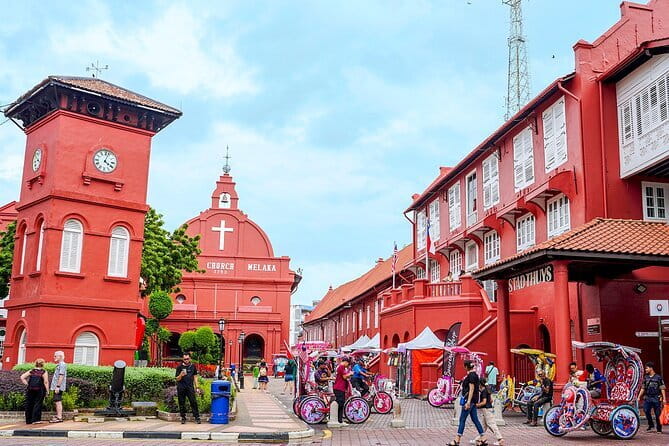
Next up is the River of Life, where you cycle to the area of the Klang and Gombak rivers meeting. This is one of those stops that can feel abstract if you don’t know KL’s geography, so the guide’s explanation helps a lot.
The value here is simple: KL isn’t just a skyline. It grew around waterways and trading routes, and this stop ties those dots together. The time is about 15 minutes, so it works as a concept reset, not a full geography lesson.
You also get practical variety. By now you’ve had temples and markets. This gives your legs and your brain a different kind of focus—history through a location you can point to on a map.
Temple stops that actually make sense: Sin Sze Si Ya, Sri Maha Mariamman, and Jamek Mosque
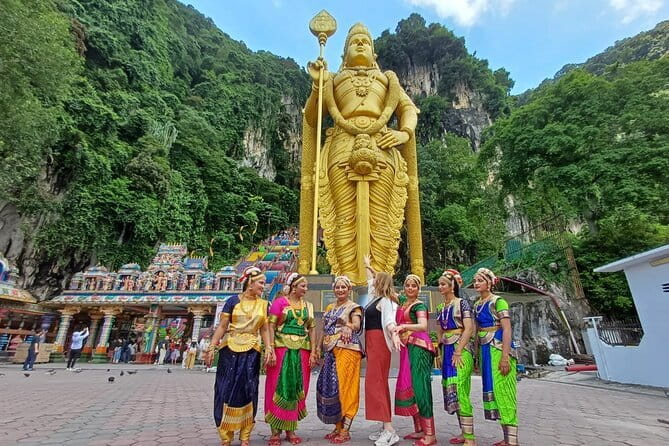
The route includes multiple major places of worship, each with its own look and cultural meaning.
First is Sin Sze Si Ya Temple, a 19th-century Taoist temple stop. Then you move to Sri Maha Mariamman Temple, a Hindu temple where the guide’s cultural significance explanations help you look beyond the beauty and notice the meaning.
Then comes Jamek Mosque paired with time in the Colonial Core area. Jamek Mosque is one of KL’s older mosques, and this stop is where the tour loops back to that earlier colonial setting—only now you’re comparing two different architectural traditions in the same broader city story.
I like the way this section is structured. You’re not being rushed through one temple and then dumped into the next with no connection. Each stop is short (around 15 minutes), but the route keeps you moving with purpose, so you’re always mentally switching gears.
Small practical advice: temples are typically active, so keep your pace respectful and follow your guide’s instructions on what you can photograph and where you should stand.
Chinatown and Rex Theatre: markets, streets, and a creative face
You finish the cultural cluster with a visit to Chinatown, including time at Rex Theatre, which is described as a historic building now serving as a creative hub. That’s a great pairing because it lets you see the neighborhood in motion: markets and everyday streets, plus a landmark adapted for arts and modern use.
Chinatown’s stop time is around 15 minutes, which makes it a taste rather than a full exploration. That’s not a flaw. It’s how this tour keeps the total experience to about four hours.
If you want to wander longer after the tour, you’ll have the neighborhood context you need. You won’t leave with only a photo of a sign—you’ll understand where to go next.
Back to AHR for lunch: your payoff meal and the ride wrap-up
After Chinatown, you cycle back toward Asian Heritage Row for a longer final segment—about 35 minutes—to enjoy lunch. This is a practical end to the route: you’re done with the concentrated sightseeing and you can refuel without sprinting to another attraction.
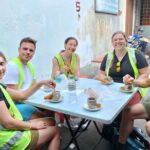
The tour also includes breakfast at the start, plus soda/pop and snacks, and you may get coffee or refreshments along the way. That matters more than it sounds. In a city like KL, you’ll feel the heat and walking crowds, and having planned food stops keeps your energy steady.
Ending back at the meeting point is also convenient. You don’t have to figure out transport the second you’re tired. You just cycle out, grab your things, and decide what’s next.
Price and value: why $85 feels fair for this mix
At $85 per person for roughly 4 hours, you’re paying for much more than a bike.
Included items are the big value driver:
- Bicycles, plus helmets and reflective vests
- Ponchos and first-aid kits
- Bottled water, snacks, and soda/pop
- Breakfast at the start and lunch at the end
When a tour includes meals and safety gear, you stop thinking like a buyer and start thinking like a traveler: you’re paying for guidance, pacing, and convenience. In KL, that convenience is real because distances add up fast, and finding the “right street stop at the right time” is hard on your own.
There are also group discounts mentioned, and the tour uses a mobile ticket, which usually cuts down on friction day-of.
Who should book this cycling tour (and who should think twice)
This is a good fit if you:
- want a first-time KL orientation without a full day plan
- like mixing architecture + markets + temples + food
- want a route with built-in breaks and planned meals
- prefer a small group setting (max 15)
It may be less ideal if you:
- don’t feel comfortable biking near city traffic patterns
- need long, quiet stops where you can wander without a schedule
- get thrown by weather changes—this experience requires good weather, and rain can affect plans
The good news: most people can participate, and the inclusion of ponchos and first-aid supplies is a sign they’re thinking about real-world conditions.
Quick tips for your day: how to show up ready
Start with the time you’ll actually enjoy: 9:00 am. That’s early enough to avoid some of the worst heat and keep you out of late-day exhaustion.
Wear something you can cycle in, and plan for the sun. Even with breaks, you’ll be moving for hours. If you’re bringing a camera, consider that you may have short photo windows at big icons like KLCC and the Petronas area—so quick framing beats slow perfection.
If pickup is offered for your location, it can simplify your start. Either way, the meeting point is described as near public transportation, so you’re not locked into one transport method.
Should you book this 4-hour KL cycling tour?
Book it if you want KL to feel like a real route through neighborhoods, not just a pile of attractions. The structure is strong: colonial orientation early, famous landmarks and bridge views mid-ride, then markets and temples, with food stops that keep your energy up.
Skip it (or adjust expectations) if you hate city cycling or you’re sensitive to weather. Also, if you’re looking for ultra-deep time at one museum or one single temple, this is more of a taste-and-context tour than a slow, long-stay experience.
FAQ
FAQ
How long is the Kuala Lumpur cycling tour?
It runs for about 4 hours.
How much does the tour cost?
The price is $85.00 per person.
What time does it start, and where do I meet?
It starts at 9:00 am at Dusky Leaf Adventures (M) Sdn Bhd, Suite 7-3, Level 7, Heritage House, 33 Jalan Yap Ah Shak, Chow Kit, 50300 Kuala Lumpur.
Does the tour include pickup?
Pickup is offered, and the tour ends back at the meeting point.
Is there a group size limit?
Yes. The maximum group size is 15 travelers.
What’s included with the price?
You get bicycles, helmets, reflective vests, ponchos, first-aid kits, bottled water, breakfast, lunch, soda/pop, and snacks.
What happens if the weather is bad?
The experience requires good weather. If it’s canceled due to poor weather, you’ll be offered a different date or a full refund.
What if I want to cancel?
Cancellation is free. You can cancel up to 24 hours in advance for a full refund.
If you want, tell me your travel dates and what you care about most (food, temples, skyline photos, or history), and I’ll help you decide if this route matches your pace.