REVIEW · KUALA LUMPUR
Malacca UNESCO “World Heritage Site” Day Trip with Lunch from KL
Book on Viator →Operated by Dynamic Tours · Bookable on Viator
Malacca history hits fast, and in layers. This day trip is a smart way to see UNESCO-recognized highlights without having to plan every turn yourself. I like the stops built on different empires, especially St. Paul’s Hill and Jonker Street with its snack-and-shop stretch.
One thing to be aware of: the route is packed, so you’ll move through most places quickly—think short photo windows more than long hangs. If you love slow museum time, you may feel a bit rushed.
In This Review
- Key things to know before you go
- Why Malacca works so well as a day trip from KL
- Getting from Kuala Lumpur: timing, vehicle, and comfort
- Dutch Square and the British touch: clock tower, fountain, and quick landmark stops
- St. Peter’s Church (1710)
- Red Square (Dutch Square) + Stadthuys area
- Melaka Clock Tower (Tan Beng Swee Clock Tower)
- Queen Victoria’s Fountain (built 1901)
- St. Francis Xavier Church and St. Paul’s Hill: Portuguese-era landmarks that feel like a view
- St. Francis Xavier Church (1849–1856)
- St. Paul’s Hill & Church (Bukit St. Paul)
- A’Famosa Fort: the Portuguese “famous” reminder
- Cheng Hoon Teng, Kampung Kling, and Sri Poyatha: a city built by faith and communities
- Cheng Hoon Teng Temple
- Kampung Kling Mosque
- Sri Pogyatha Vinoyagar Moorthi Temple
- Jonker Street walk: food and souvenirs in a Chinatown that’s still alive
- Malacca River: a calm contrast to the city-center stops
- Lunch and water: keeping the day comfortable
- Price and value: what $89 buys you in real-world terms
- Who this trip suits best (and who should think twice)
- Should you book this Malacca day trip from KL?
- FAQ
- How long is the Malacca UNESCO day trip from KL?
- What time does the tour start, and where is the meeting point?
- Is lunch included?
- What transportation do I use, and is it air-conditioned?
- Are admission tickets included for the stops?
- How many people are on the tour?
- What is the cancellation policy?
Key things to know before you go
- UNESCO Malacca in one day: You’ll cover major landmark clusters across the old city.
- Free-entry stop list: The named sights on this route show admission as free.
- Short-and-sweet timing: Many stops are around 10–15 minutes, so plan what you want most.
- Jonker Street food + souvenirs: You get a dedicated walk time with local delicacies and shopping.
- A/C car or van: Private transportation with a maximum group size of 15.
- Driver attention matters: The best reviews highlight drivers who matched the pace to what people were interested in.
Why Malacca works so well as a day trip from KL
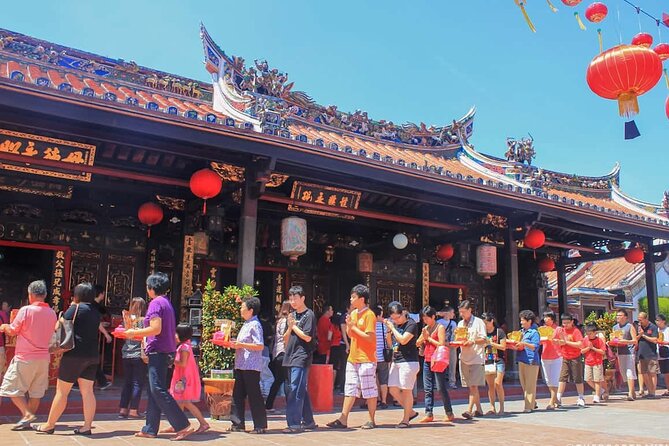
Kuala Lumpur to Malacca is the kind of trip that turns “I’ve heard about it” into “I get it.” In a single day, you see how Portuguese, Dutch, British, Chinese, Malay, and Indian communities shaped the city. Malacca’s UNESCO status makes it tempting to treat it like a checklist, but the charm here is that the buildings still look like they belong to the neighborhoods around them.
You’ll also feel how compact the old-town layout is. The route keeps you in the core so you can hop from church to temple to fortress without long, empty stretches. That matters because an 8-hour day has a budget—time for travel, time for photos, time for food. This tour spends that budget on variety.
You can also read our reviews of more historical tours in Kuala Lumpur
Getting from Kuala Lumpur: timing, vehicle, and comfort
The day starts at 8:00am at MATIC109, Jln Ampang, Kuala Lumpur. The listed duration is about 8 hours, and it explicitly includes travel time, so you’re not guessing how long you’ll be in transit.
Transportation is set up for comfort: you’re in an air-conditioned vehicle, with private transportation and mineral water included. The vehicle type depends on your group size:
- 1–3 people: usually a car
- 4–15 people: a van
And the tour caps at 15 travelers, which helps keep things from getting chaotic.
This is one of the practical wins of booking a structured day trip: you don’t need to coordinate public transport, taxis, or timing across multiple stops. You just show up, get moving, and let the day unfold.
Dutch Square and the British touch: clock tower, fountain, and quick landmark stops
Early in the route, you’ll hit the administrative and colonial-era core. The goal is orientation: you get the “where am I” points of Malacca fast, so later streets make more sense.
St. Peter’s Church (1710)
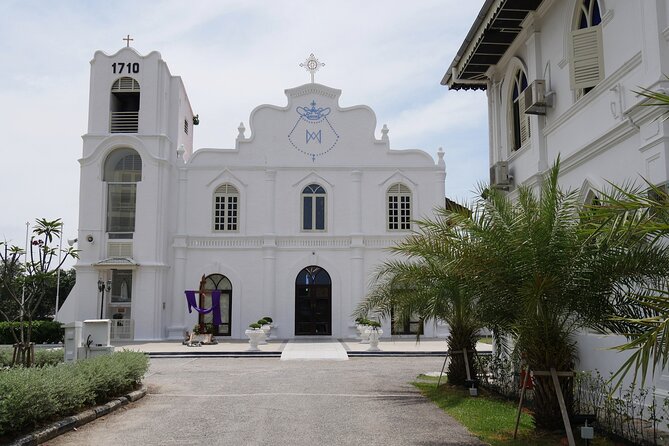
You’ll stop at St. Peter’s Church, a site tied to the Portuguese occupation ending in 1641, followed by persecution of Catholics under the Dutch. It’s a reminder that Malacca’s old city isn’t just pretty buildings—it’s layered with conflict and change. Admission is listed as free, and the stop is short, so use it for a focused walk around and a few solid photos.
Red Square (Dutch Square) + Stadthuys area
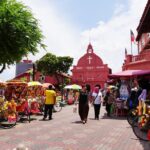
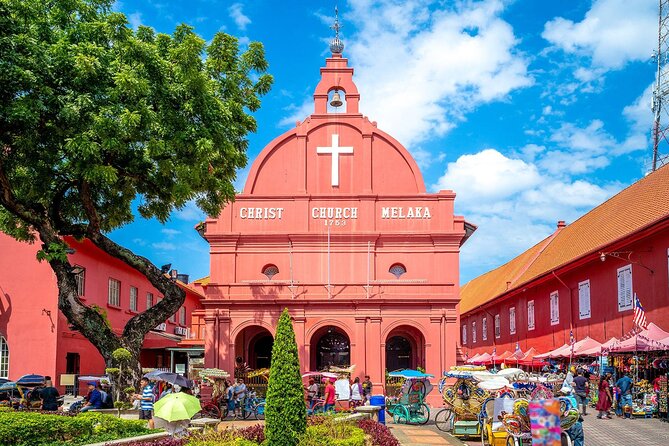
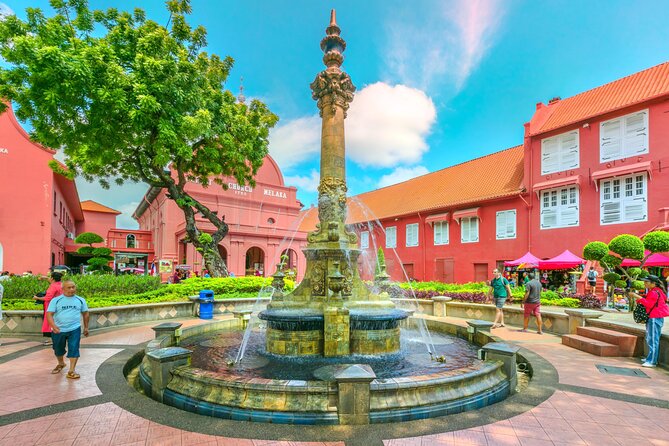
Next is Dutch Square, centered on the Stadthuys concept (city hall/admin buildings). The tour keeps the stop brief, but it gives you the classic Malacca scene: the city center as a meeting place for power, trade, and people.
You can also read our reviews of more tours and experiences in Kuala Lumpur

Melaka Clock Tower (Tan Beng Swee Clock Tower)
Then comes the clock tower, known as Tan Beng Swee Clock Tower. It’s described as about 134 years old and one of the most popular tourist spots in the area. Again, this is a quick stop, but it’s worth treating like a landmark beat—get a photo, check your bearings, and move on.
Queen Victoria’s Fountain (built 1901)
The route also includes Queen Victoria’s Fountain built in 1901. It’s still functioning, which is a nice change of pace from stops that feel purely decorative. If the heat is climbing, a fountain pause can also feel like a natural break point before the next church.
Why these short stops are useful: they give you the mental map of Malacca’s historic center. Even if each location is brief, putting them together helps you understand the city as one connected story rather than isolated sites.
St. Francis Xavier Church and St. Paul’s Hill: Portuguese-era landmarks that feel like a view
This part of the day is where Malacca starts to feel more dramatic.
St. Francis Xavier Church (1849–1856)
You’ll visit St. Francis Xavier Church, built in 1849 on the site of an older Portuguese church, with finishing touches completed in 1856. The listing notes a French priest connection (Father Farvé) and the later completion by Father Allard. The stop is around 15 minutes with free admission, which is enough time to take in the setting and architecture without turning the day into a long church marathon.
St. Paul’s Hill & Church (Bukit St. Paul)
Then you reach St. Paul’s Hill & Church, described as originally built in 1521 and dedicated to the Virgin Mary. The tour positions it as the oldest church of its kind in Malaysia and Southeast Asia—a big statement, and one that helps you slow down for a moment even if the schedule says move.
This stop is one of the best places to enjoy a pause. Even if you don’t linger for hours, the hilltop feel (and the historic weight of the site) gives you a payoff that the shorter administrative stops don’t always deliver.
A’Famosa Fort: the Portuguese “famous” reminder
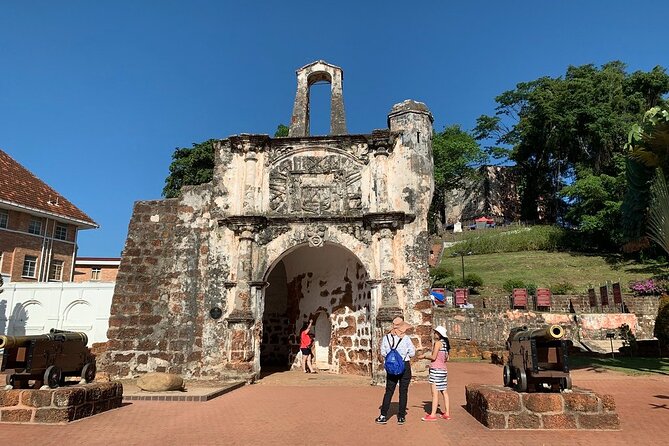
Next is A Famosa Fort—the Portuguese name meaning The Famous. The key detail here is that what survives today is the tiny gate called the Porta (as described in the route notes). This makes the fort stop less about walking a huge ruin field and more about appreciating what endured.
If you only know Malacca for postcards, this is the correction: you’re seeing the reality of how history survives through small remnants. The stop is about 10 minutes with free admission, so don’t treat it as a deep exploration—treat it as a moment of context and then keep moving.
Cheng Hoon Teng, Kampung Kling, and Sri Poyatha: a city built by faith and communities
What I like most about this route is how it doesn’t force you into one cultural lane. You go from Catholic-linked sites to Chinese temple architecture, then to a mosque with a distinctive style, then to an older Hindu temple.
Cheng Hoon Teng Temple
Cheng Hoon Teng is described as a premier historical monument and the finest Chinese temple in Malaysia, with an UNESCO award for outstanding architecture noted in the route details. The stop is about 15 minutes and admission is listed as free. Even in a short visit, you’ll notice why architecture matters here—it’s not just worship space; it’s cultural identity you can read with your eyes.
Kampung Kling Mosque
Then comes Kampung Kling Mosque. Its standout feature is a minaret styled like a Chinese pagoda, and the main prayer hall is described as topped by a triple-tiered pyramidal roof supported by columns. This is one of those “look closer” stops. The mix of design influences tells you that Malacca wasn’t built by one group only; it absorbed and adapted.
Sri Pogyatha Vinoyagar Moorthi Temple
Last on the temple trio is Sri Pogyatha Vinoyagar Moorthi Temple, listed as the oldest existing/intact Hindu temple in Malaysia and one of the oldest functioning Hindu temples in Maritime Southeast Asia. That age makes it more than a decorative stop. The visit is about 15 minutes with free admission, but that’s enough time to feel the continuity of a place still used by people.
Practical tip for this section: wear something breathable and keep water handy. This part of the day gives you architecture, but it can also mean walking under sun between sites.
Jonker Street walk: food and souvenirs in a Chinatown that’s still alive
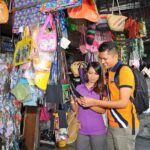
The schedule reserves about 30 minutes for Jonker Street—the Jonker Walk, described as the main street of Chinatown and a major street food hub. You’ll also see shops selling clothes, antiques, and souvenirs.
This is where you convert sightseeing into personal taste. You can pick a few snack options, browse casually, and buy souvenirs that feel local rather than mass-produced. The tour highlights local treats like asam laksa and cendol, which are good choices if you want a taste of Malacca without spending a lot of time researching.
Because the time is limited, I suggest doing this smart:
- Eat first if you’re hungry, then shop.
- Pick one or two small souvenirs instead of trying to cover the whole street.
- If it’s hot, use the shops as shade breaks.
The best Jonker Street moments come from simple choices made quickly. You don’t need perfection—just a couple of good bites and a sense of place.
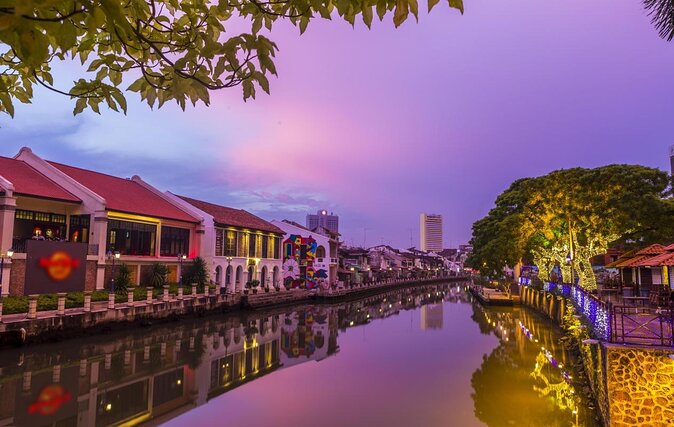
Malacca River: a calm contrast to the city-center stops
You’ll also get a Malacca River (Sungai Melaka) stop. The route frames it as a vital trade route in the Sultanate era, and the stop is about 15 minutes.
Even when the time feels short, this is a nice contrast. The river is the background that explains why the city mattered—trade, movement, and cultural mixing. It’s also a place where you can watch how locals and visitors share the same public space around the straits area. If you want one quick reset during a packed day, this is it.
Lunch and water: keeping the day comfortable
Local lunch is included, along with mineral water. The exact dishes aren’t spelled out in the provided information, so I can’t promise a specific meal—but the inclusion itself is the point.
On a day trip like this, lunch is less about choosing a restaurant and more about staying on schedule. You’ll be able to keep moving instead of spending time searching for food after a long drive.
Also, because you’re in and out of several places, water is a real comfort win. You’ll thank yourself later.
Price and value: what $89 buys you in real-world terms
At $89 per person for a full day (about 8 hours) with transportation, lunch, and a set route of historic sites, the value comes from two things: ease and structure.
Instead of spending your energy figuring out how to connect multiple stops, you get:
- A/C private transportation
- Pickup and drop-off listed as included
- Lunch + mineral water
- A route with free admission for the named highlights
- A small maximum group size (up to 15 travelers)
The main “cost” isn’t money—it’s time. Because many stops are around 10–15 minutes, you’ll feel like you’re on a guided route rather than a free-roam day. If you’re okay with that trade, the price starts to make sense.
And one small but important detail from the review vibe: at least one guest praised a Tamil driver for being intelligent, funny, and tuned in to interests. That’s not a guaranteed upgrade for every outing, but it’s a strong sign this is the kind of operator that can make the ride feel more personal than you’d expect.
Who this trip suits best (and who should think twice)
This is a great fit if:
- You’re first-timing Malacca and want the big names without planning chaos.
- You like variety: churches, temples, a fortress remnant, and a street-food zone.
- You prefer a day with pickup/drop-off and an air-conditioned ride.
You might think twice if:
- You want long, slow time in each site.
- You’re the type who hates schedules and would rather wander freely.
- You’re sensitive to heat and like lots of indoor breaks—because the plan includes multiple short outdoor-to-indoor transitions.
Should you book this Malacca day trip from KL?
If your goal is a high-value sampler of UNESCO-recognized Malacca—Portuguese-Dutch-British-era landmarks plus Chinese, Malay, and Hindu sites—this is a sensible booking. The included lunch and transportation remove most of the friction that usually makes day trips stressful.
I’d book it if you like structure and variety, and you’re fine with short stops that aim to give you context and good photo moments. I’d skip it if you want deep time at fewer sites. For the majority of first-timers, this hits a good balance between effort and payoff.
FAQ
How long is the Malacca UNESCO day trip from KL?
The trip is approximately 8 hours, and the travel time is included in the total duration.
What time does the tour start, and where is the meeting point?
The tour starts at 8:00 am. The meeting point listed is MATIC109, Jln Ampang, Kuala Lumpur, 50450.
Is lunch included?
Yes. Local lunch is included, along with mineral water.
What transportation do I use, and is it air-conditioned?
You get air-conditioned vehicle transportation. The tour uses a car for 1–3 pax and a van for 4–15 pax.
Are admission tickets included for the stops?
For the stops listed on the route, admission is shown as free.
How many people are on the tour?
This tour has a maximum of 15 travelers.
What is the cancellation policy?
Free cancellation is available. You can cancel up to 24 hours in advance for a full refund. If you cancel less than 24 hours before the start time, the amount paid is not refunded.