REVIEW · KUALA LUMPUR
Kuala Lumpur: Museum Of Illusions Standard Admission Ticket
Book on GetYourGuide →Operated by Globaltix Sdn Bhd · Bookable on GetYourGuide
Reality bends fast here. I like how the Museum of Illusions turns simple movement into mind-bending optical tricks, and it does it fast. Two stops I’d circle right away are the Infinity Room with its endless reflections and the Smart Playroom, where puzzles and brain teasers keep you thinking while you play.
If you’re short on time, this can feel compact. Plan for about 45 minutes as a realistic baseline, and if you’re expecting a huge, half-day museum marathon, you may want to pair it with other nearby plans.
In This Review
- Why the Museum of Illusions Works So Well in Kuala Lumpur
- Ticket Value: What $10 Buys You (and How Long It Takes)
- From Ticket Counter to First Optical Surprise
- The Big Illusion Rooms: Vortex Tunnel and Anti-Gravity Fun
- Infinity Room: Endless Reflections Made for Photos
- Smart Playroom: Brain Teasers That Don’t Feel Like Homework
- Hands-On Exhibits: When You Become Part of the Trick
- Timing Your Day in Kuala Lumpur: 10:00 AM to 10:00 PM
- Tickets, Ages, and Student Discounts: What You Should Know
- Who Should Book This (and Who Might Skip It)
- Should You Book This Museum of Illusions Ticket?
- FAQ
- What is the Museum Of Illusions Kuala Lumpur admission price?
- How long does the Museum of Illusions take to visit?
- What are the opening hours?
- Where do I redeem my ticket?
- Is the ticket refundable?
- Is the museum wheelchair accessible?
- Are children admitted for free?
- Do students get any special admission terms?
- What documents should I bring?
- Are food and drinks allowed inside the museum?
Why the Museum of Illusions Works So Well in Kuala Lumpur
This museum is built around one clear idea: your eyes and brain will disagree with each other. You don’t need a background in science or art. You just walk in, touch what’s meant to be touched, and watch your assumptions fall apart in fun ways.
The value comes from the format. With 40+ interactive exhibits, you’re rarely stuck staring at a label. Most experiences are hands-on or camera-friendly, which means you can get a satisfying visit even if you only have a morning or afternoon.
It’s also a good fit for mixed groups. I find it works whether you’re traveling solo, with friends who like silly challenges, or with family. The museum’s design supports different energy levels, from quick photo moments to longer puzzle time.
One practical note: tickets are non-refundable, so only buy once you’re sure your schedule is solid.
Ticket Value: What $10 Buys You (and How Long It Takes)
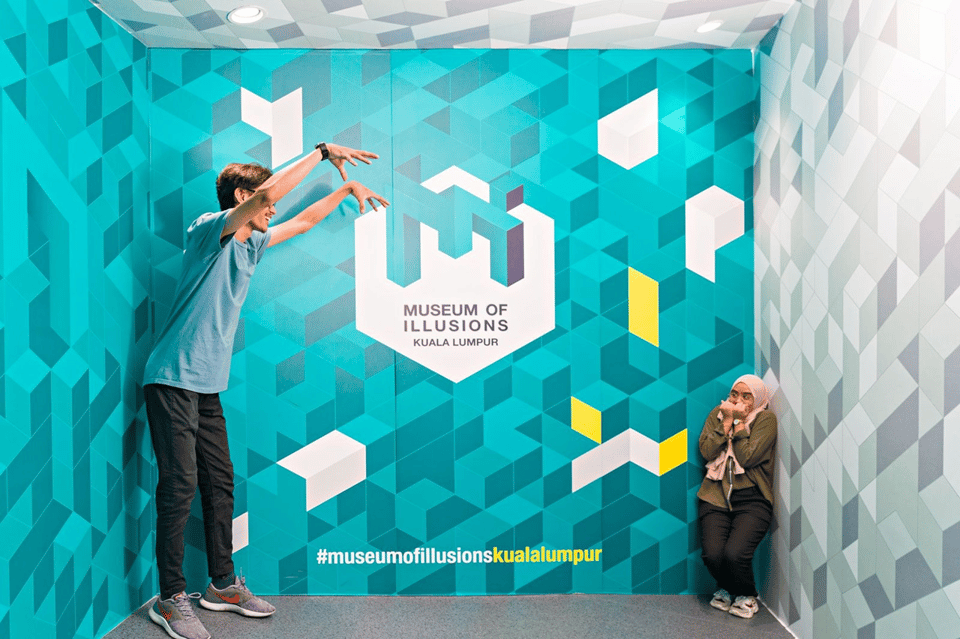
A standard admission ticket is priced at about $10 per person for a 1-day visit. That’s the key selling point for me: it’s not a huge-ticket activity, and it doesn’t demand an all-day commitment.
Here’s a smart way to think about the timing. The museum experience is about 45 minutes for many people, but you can stay longer if you want more time with photos and interactive areas. If you treat this like a “museum sprint,” you can do it without rushing your way into hating it.
Admission hours are daily from 10:00 AM to 10:00 PM, so you can slot it in when Kuala Lumpur weather and crowds are less of a factor. Since transport and meals aren’t included, I’d plan to eat outside the museum area and keep your schedule simple.
Also remember this: children 0–17 must be accompanied by a paying adult. If you’re traveling with kids, this is easy to manage, just don’t assume you can send children off alone.
You can also read our reviews of more tours and experiences in Kuala Lumpur



From Ticket Counter to First Optical Surprise
You’ll meet the day at the Ticketing counter (Museum Of Illusions Kuala Lumpur). The instruction is straightforward: go directly there for redemption rather than wandering around hoping you find the right entrance.
Once inside, don’t overthink the route. The exhibits are designed so you can start anywhere and still get the point. I’d just let the first few rooms “wake up” your brain, then slow down when you hit the bigger headliners like the gravity and reflection areas.
A couple quick rules to keep your visit smooth:
- Bring passport or ID card. If you’re a student, bring your student card.
- No food and drinks are allowed inside.
For me, that matters because it keeps the environment consistent and reduces the stuff you have to juggle while taking photos and interacting with displays.
The Big Illusion Rooms: Vortex Tunnel and Anti-Gravity Fun
This is where the museum earns its reputation. Some exhibits turn the usual rules of movement into something you can’t fully believe until you see it from your own perspective.
The Vortex Tunnel is a standout example. It’s designed to make you feel pulled and twisted by an optical effect, the kind that makes you question whether your body is actually doing what your eyes say it is.
Then there’s the Anti-Gravity Room, which flips your sense of up and down. Even if you understand it’s an illusion, the experience still feels surprising because your brain keeps trying to apply normal physics.
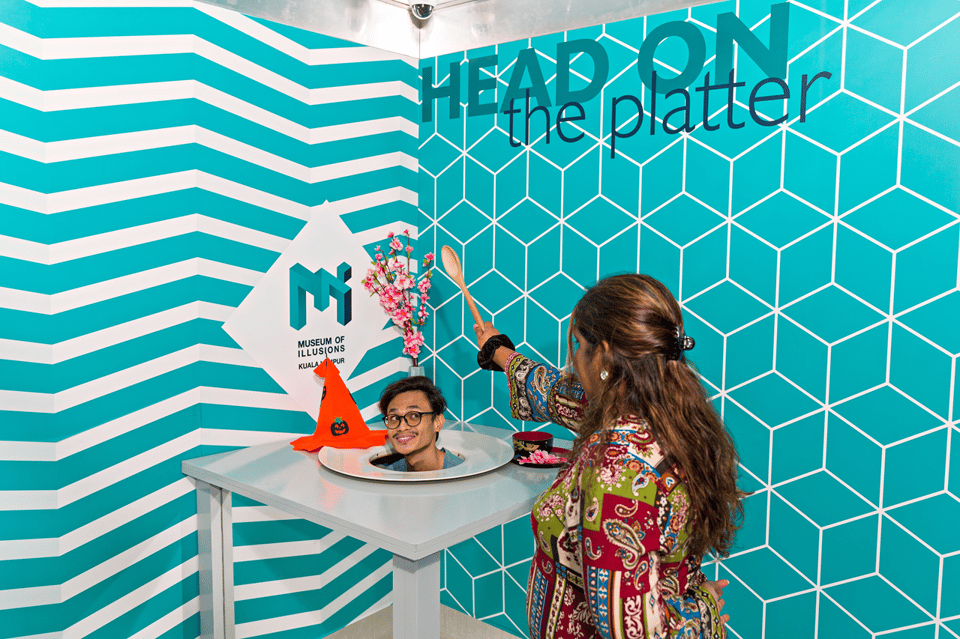
You may also come across other mind tricks like the Ames Room, which can create the illusion that you’re shrinking or expanding depending on placement. There’s also a playful “serving” style optical setup and kaleidoscopic pattern visuals that reward you for changing angles.
What I like here is that these displays don’t require you to stand still for long periods waiting your turn. You can usually work out the camera angle, step back, and try again without feeling trapped.
Infinity Room: Endless Reflections Made for Photos
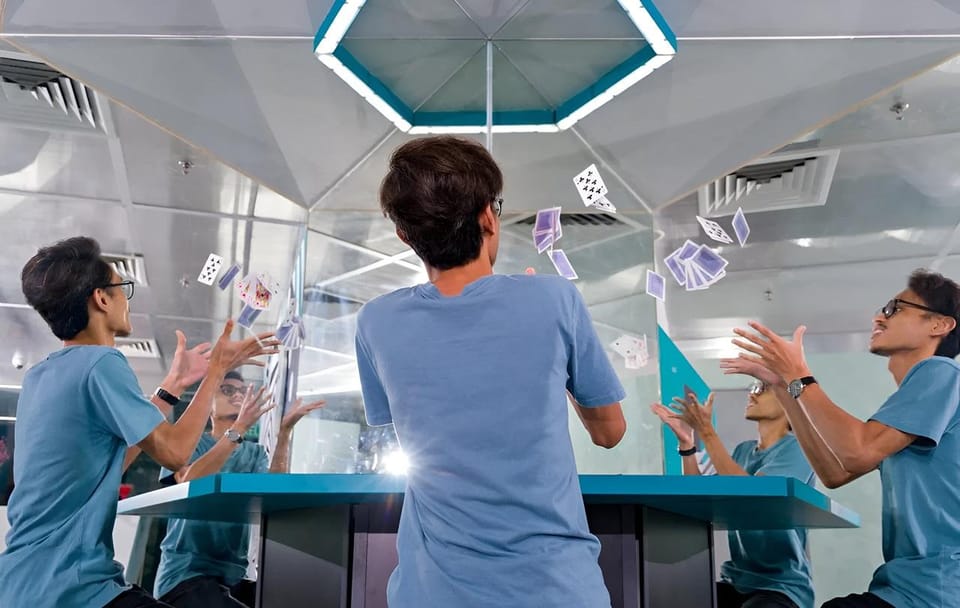
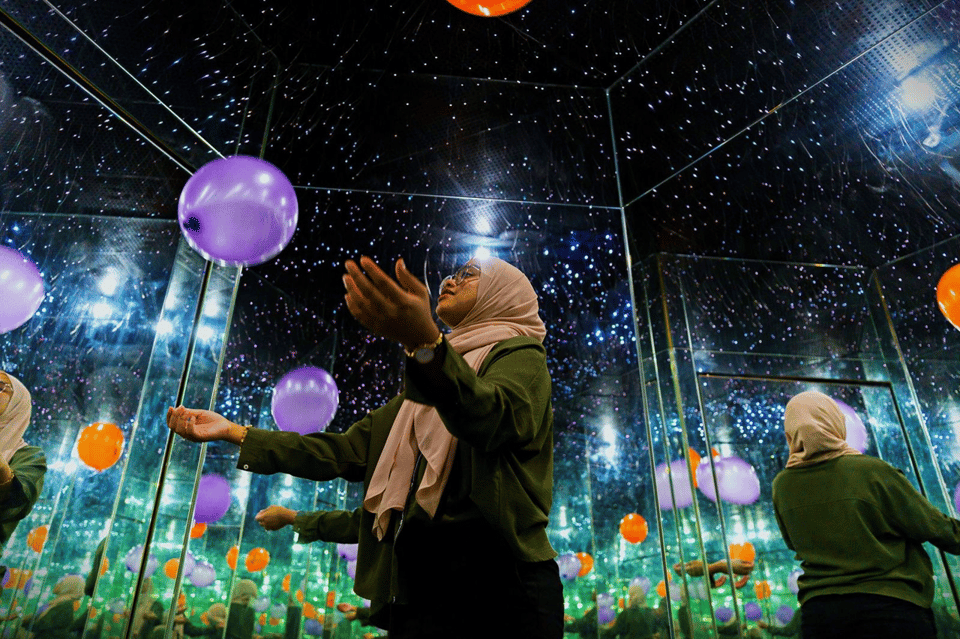
If you only have time for one “wow” stop, make it the Infinity Room. The big promise is simple: endless reflections, and you can spend time with it because there are so many possible angles.
For photos, I’d treat it like a mini photo session, not a single snap. Try a few poses, then switch your position. Often, the magic happens when you change your height or move slightly left/right, because the reflections and perspective lines react to your placement.
For a social group, this room is also a great equalizer. Someone can take the photo, someone can test a new angle, and everyone gets involved without needing special instructions.
One more thing to keep expectations realistic: the museum overall is designed to be enjoyed in a focused window. The Infinity Room can be a highlight, but it’s not the whole day. Plan to keep moving so you get the full range of tricks.
Smart Playroom: Brain Teasers That Don’t Feel Like Homework

I love that the Smart Playroom adds a second kind of challenge. Instead of only tricking your eyes, it also challenges your brain with puzzles and brain teasers.
Why this matters: optical illusion exhibits can sometimes feel like you’re just reacting. The Smart Playroom gives you that satisfying “I solved it” feeling, even when the answer isn’t obvious at first. If you’re traveling with kids, this is often the section where they feel like they’re playing a game, not just posing for photos.
It’s also a nice pacing change. After the bigger illusion rooms, you get a chance to slow down and focus on thinking rather than timing shots.
You can also read our reviews of more museum experiences in Kuala Lumpur


Hands-On Exhibits: When You Become Part of the Trick
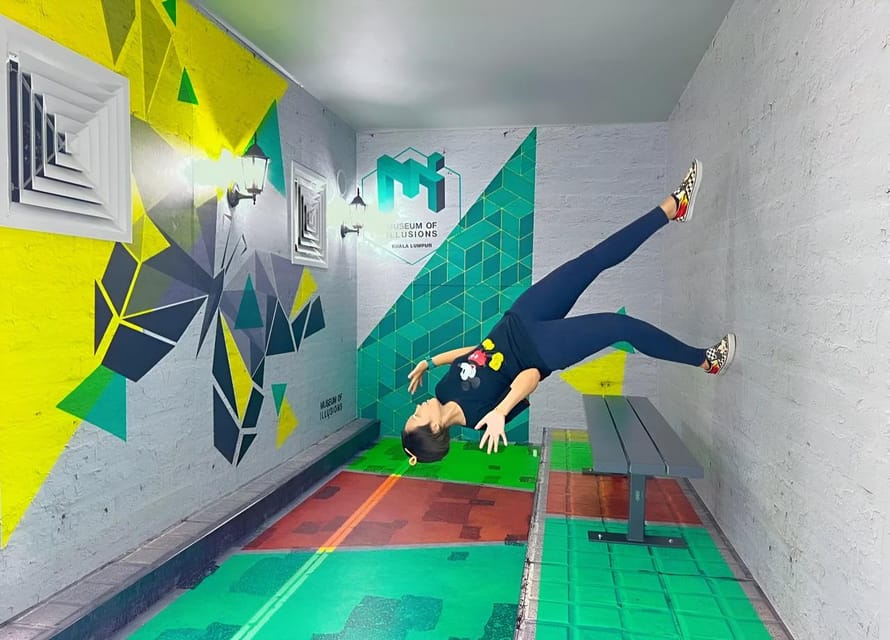
A big part of the museum’s charm is that it’s not only about watching. Many exhibits are hands-on displays, and you’re often meant to participate.
That participation is what makes these illusions memorable. You’re not just looking at a concept; you’re testing it. When an exhibit creates a “you are somewhere else” moment, your actions help create the effect, so it feels personal and funny.
It also means the museum works well for groups with different preferences. One person can be chasing the next room, another can be experimenting with poses, and you’ll still be moving through the same experience.
If you enjoy interactive exhibits, this is the museum’s strongest category. If you don’t like touching anything, you may still enjoy the rooms, but plan to spend more time in observation-friendly areas and photo stops.
Timing Your Day in Kuala Lumpur: 10:00 AM to 10:00 PM
The museum is open daily from 10:00 AM to 10:00 PM, which gives you flexibility. Since the experience is roughly 45 minutes for many visitors, you can treat it like a planned break rather than an anchor event.
Here’s a practical way to schedule it:
- If you want photos and a calmer pace, aim for earlier hours or mid-afternoon.
- If you’re pairing it with other nearby activities, choose a time that gives you buffer in case you get stuck replaying a favorite room.
Because transport and meals aren’t included, don’t build your day around rushing between ticket redemption, eating, and the museum. Instead, keep it simple: visit the museum, then eat nearby.
Tickets, Ages, and Student Discounts: What You Should Know
Admission details are clear, and they affect how easy your planning will be.
- Free for children aged 0–4
- Adult: 16–54
- Child: 5–15
- Children aged 0–17 must be accompanied by a paying adult
- Students can use a valid student card
- Malaysian tickets are available for citizens with a valid Malaysian ID card
I like that these rules are straightforward, so you’re not scrambling for eligibility at the last second. Just bring what the museum asks for: passport or ID card (and your student card if applicable).
Also, note that the ticket is valid for 1 day. It’s worth checking starting time availability so you don’t show up expecting instant entry at a random moment.
Who Should Book This (and Who Might Skip It)
This is a great pick if you want an easy, low-cost activity that feels playful and doesn’t require a long attention span.
It’s especially good for:
- Families looking for a fun mix of science and play
- Friend groups who want photo opportunities and silly challenges
- Solo travelers who like interactive museums and quick wins
- Anyone who enjoys seeing how perception can be manipulated with simple setups
It might be less satisfying if:
- You want a huge museum experience that takes half a day or more
- You strongly dislike interactive exhibits or photo-heavy rooms
- You’re the type who needs long explanations before you enjoy anything (the museum’s best moments come from doing, not reading)
The museum is wheelchair accessible, and it’s described as accessible for people with prams and people living with disabilities. Still, the museum advises caution for visitors with mobility limitations or those who are pregnant and to move at your own pace. That’s just good common sense for any hands-on attraction.
Should You Book This Museum of Illusions Ticket?
I’d book it if you’re after a fun, interactive stop in Kuala Lumpur with real hands-on illusion moments and a big photo payoff—especially if you love the idea of the Infinity Room and the physical mind tricks like vortex and anti-gravity displays.
I’d think twice if you need a longer, deeper museum day. This works best as a focused visit that you can complete in under an hour, then enjoy the rest of your day elsewhere.
If you’re deciding between this and another casual attraction, this one tends to win because you get a lot of “wow” per dollar and you can adjust your pace depending on how long you want to linger with each illusion.
FAQ
What is the Museum Of Illusions Kuala Lumpur admission price?
The standard admission ticket is about $10 per person.
How long does the Museum of Illusions take to visit?
It takes about 45 minutes for many visitors, though you can stay longer if you want.
What are the opening hours?
The museum is open daily from 10:00 AM to 10:00 PM.
Where do I redeem my ticket?
Go directly to the Ticketing counter (Museum Of Illusions Kuala Lumpur) for redemption.
Is the ticket refundable?
No. The activity is non-refundable.
Is the museum wheelchair accessible?
Yes, the museum is wheelchair accessible.
Are children admitted for free?
Children aged 0–4 are free.
Do students get any special admission terms?
Yes. Students must present a valid student card for admission.
What documents should I bring?
Bring your passport or ID card. If you’re a student, bring your student card too.
Are food and drinks allowed inside the museum?
No. Food and drinks are not allowed.