REVIEW · KUALA LUMPUR
Culinary Journey Through Chinatown with All Type of Delicacies
Book on Viator →Operated by Asni Tours & Travel (M) Sdn Bhd · Bookable on Viator
Your stomach does the planning in Chinatown. This 3-hour afternoon food hunt in Kuala Lumpur’s Chinatown strings together classic street-style bites, with an English-speaking local host and a small group (max 15) that makes it easier to ask questions. I like how the stops are short and focused, so you taste your way through the area without spending the whole time navigating.
Two things I especially like: the lineup of specific Malaysian favorites is practical (you’ll actually know what you’re eating), and the tour includes food, drinks, and dessert tastings plus bottled water. You’re not just grazing; you get a guided sequence that helps you understand why these foods matter locally.
One consideration: it’s a 4:00 pm start and you’ll walk about 2–3 km. There’s no hotel pickup, and the timing can shift with weather or safety protocols, so plan to arrive on time and keep your schedule flexible.
In This Review
- Key things to know before you go
- Entering Chinatown: Central Market at 4:00 pm
- Petaling Street: learning the food geography in minutes
- Bakkwa and other meat snacks that set the tone
- Apam balik style pancakes: crunchy edges and a fluffy center
- Soybean drink and tofu fa: hot or cold comfort
- Teh tarik and roti canai: the Malaysia tea-time duo
- Hokkien mee noodles to wrap it up
- Price and value: what $104.80 buys you
- Pace, comfort, and what to wear
- Halal, vegetarian, and allergies: how to handle it
- Should you book this Chinatown food tour?
- FAQ
- What time does the tour start, and how long is it?
- Where do I meet, and is hotel pickup included?
- How much walking is involved?
- What food and drinks are included?
- Are halal or vegetarian options available?
- Can I cancel for a full refund?
Key things to know before you go
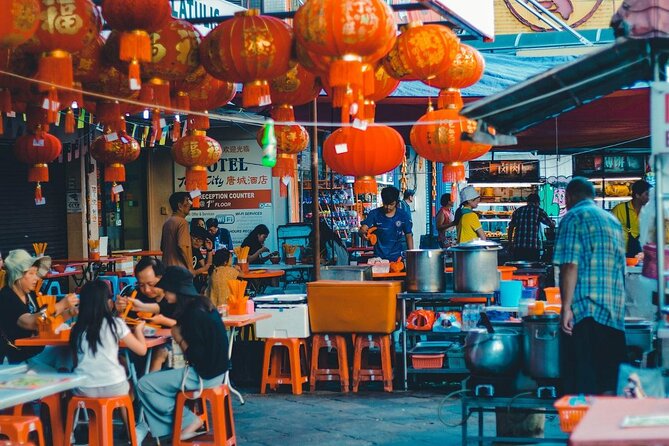
- Max 15 people means you’re more likely to get direct attention from your host
- Short stops add up: you sample multiple dishes across Chinatown and nearby streets
- Halal & vegetarian options available when you request them at booking
- Come with an empty stomach since the tour is built around tastings (not a full meal plan)
- Street-food locations can change based on availability, but you still get the same style of experiences
- About 2–3 km of walking at an easy pace with stop-and-go breaks
Entering Chinatown: Central Market at 4:00 pm
The tour begins at Central Market, right in the Kuala Lumpur city center. You meet near the information counter, and you’ll get the experience rolling from the entrance area of the market. Since there’s no hotel pickup or drop-off, you’ll want to get yourself there by public transport or a taxi/Grab—just ask to be dropped at Central Market Kuala Lumpur.
This matters because a food tour lives and dies by timing. A 4:00 pm start is smart for a few reasons: you’re not starting in the middle of a hot, blinding midday, and you’ll have enough daylight for comfortable strolling even if the evening crowds build.
You also get a mobile ticket, which is simple. And because the group is kept small, you’re not spending the first half hour herding people around—your host can actually guide the flow.
You can also read our reviews of more tours and experiences in Kuala Lumpur.

Petaling Street: learning the food geography in minutes
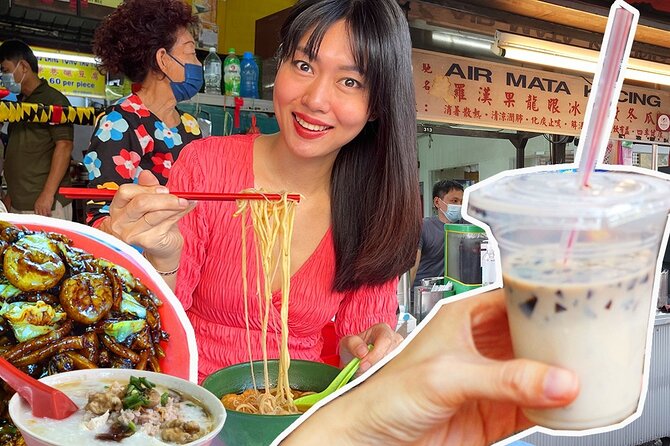
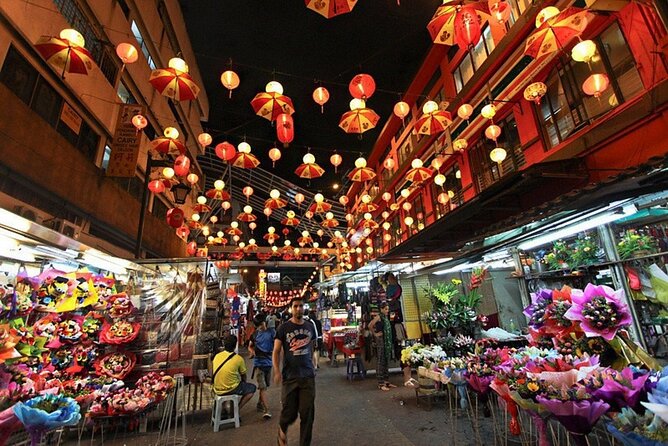
After the meet-and-greet, you head toward Petaling Street, the heart of Chinatown. The walk segment is short, but it’s one of the most useful parts of the afternoon because you get your bearings fast. Your host points you toward where the food is, what to look for, and how to order or ask questions without feeling lost.
This is also where the tour’s pace becomes clear. Each tasting stop is roughly 15 minutes, and the plan mixes walking with short breaks. That structure keeps you from feeling stuffed too early and helps you keep energy for the later bites.
You’ll also likely spend a bit of time shopping for souvenirs along the way. Even if you’re not shopping, it’s still valuable to see how the food stalls, markets, and small shops sit side by side—because that’s how a local neighborhood actually functions.
Practical note: street locations can change depending on availability. That’s not a red flag here; it’s a normal reality in busy food zones. The key is that the tour says you’ll still get the same authentic style of experiences.
Bakkwa and other meat snacks that set the tone
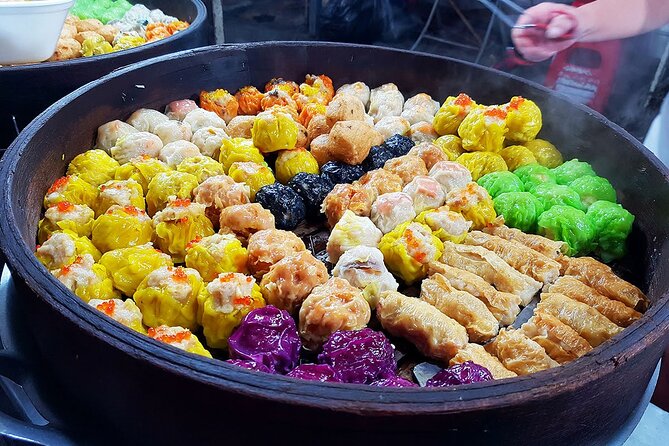
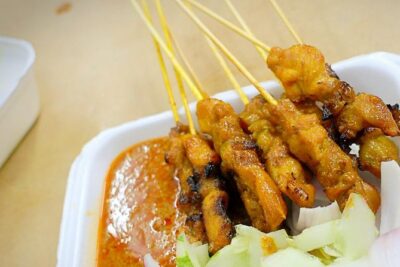
One of the first true “wow” stops is bakkwa Chinese dry meat. This is Malaysian-style BBQ meat made using a Chinese dry-meat tradition. You’ll try two types of meats, and the whole point is to taste how the sweetness and smoke land on your palate compared with what you might expect from regular BBQ.
Bakkwa is a good early choice because it doesn’t require a full sit-down meal. It’s also easy to compare bites—so as you keep walking, you’ll start noticing how different cuisines handle sugar, salt, and texture.
If you’re sensitive to very salty snacks, take it slow on the first bite and sip water. The tour includes bottled water, which helps you manage the stronger flavors without ruining your appetite for what’s next.
Apam balik style pancakes: crunchy edges and a fluffy center
Next up is Malaysian-style pancake, an Apam balik-style treat. You’ll get something with a fluffy interior and crunchy edges—exactly the kind of dessert/snack that works in street food form. The flavor comes from the filling blend and the way the exterior crisps while the inside stays tender.
This stop is more than just a sweet interlude. It teaches you something useful about Malaysian street snacks: sweetness is often balanced by texture. So even if you’re already full, the crunch can reset your appetite a little.
A small drawback of pancake stops on food tours is timing. If you arrive hungry and you’re the type who eats fast, you can accidentally overdo it here. The tour is designed for empty stomach, but your own pace still matters. Take a few bites, let your guide explain what to notice, then move on.
Soybean drink and tofu fa: hot or cold comfort
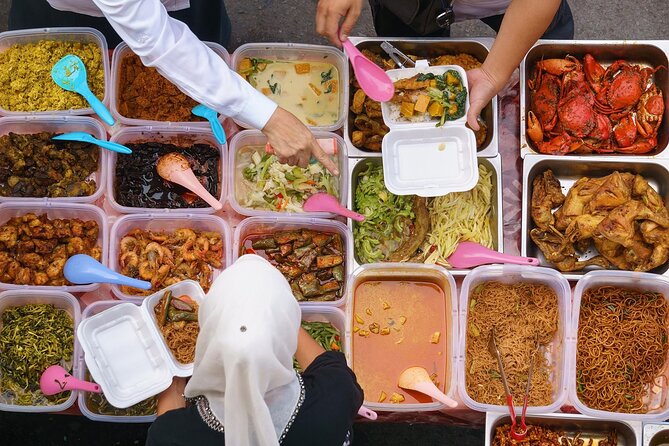
After those initial bites, you get a soybean-based drink that can be served hot or cold. The hot version is described as having a jelly-like texture, and it’s linked to tofu fa—so expect something smooth and gently set rather than a thin liquid.
This stop is brilliant for two reasons. First, it cools down the salty/smoky notes from earlier snacks. Second, it gives you a different texture category to focus on, so you don’t feel like you’re only eating one kind of flavor profile for 3 straight hours.
You’ll also sample local tropical fruits during the walk. That’s not just a bonus. Fruit is your palate-cleanser, and it helps you enjoy the later savory dishes without the final meal feeling heavy.
- Private Tour Kuala Lumpur with Petronas Twin Towers Observation Deck & Batu Cave
★ 5.0 · 1,029 reviews


Teh tarik and roti canai: the Malaysia tea-time duo
Then you head to a local Indian Muslim restaurant to try teh tarik and a tea-time delicacy: roti canai. Teh tarik is described as the number one beverage in Malaysia here, and it’s easy to see why once you taste it. It’s comforting, aromatic, and pairs well with fried or griddled breads.
Roti canai is the kind of dish that teaches you something about the way Malaysians snack between meals. It’s satisfying but not necessarily “dinner heavy,” which is exactly what you want in the middle of a tasting tour.
This is also a good moment to ask questions about how the tea and bread are eaten together. Even if you don’t want to copy the technique at home, understanding the pairing makes the next stop more enjoyable.
Tip for the logistics-minded: since this is a restaurant stop, you’ll likely get a short pause from walking. Use it to slow down, drink water, and avoid eating too quickly if you plan to try everything.
Hokkien mee noodles to wrap it up
The final savory stop is at a Chinese restaurant for Hokkien mee. You’ll sample a unique-style version of Chinese noodles—described specifically as Hokkien mee. This is the payoff for many people because it’s the richest, most meal-like item on the list.
Noodles bring everything together: savory broth, chewy texture, and the kind of mix-ins that make each forkful different. By the time you reach this stop, you’ll likely be able to appreciate the balance better because you’ve already experienced sweet snacks, smoky meat, and tea-time flavors earlier.
If you tend to get full quickly, pace yourself here. Save enough room for the full portion your guide offers, because this stop is where the tour stops feeling like scattered sampling and starts feeling like a real culinary route.
Price and value: what $104.80 buys you
At $104.80 per person for about 3 hours, this tour is priced like a guided food experience, not like a self-guided walk where you pay for each snack yourself. The value comes from three things you don’t get when you wander on your own:
1) Multiple tastings bundled together (food, drinks, and dessert tastings) rather than you hunting for each item
2) A friendly English-speaking local host who helps you understand what you’re eating and where to go next
3) Bottled water included, which is surprisingly useful when you’re eating salty street bites
You should also factor in what you don’t get. Hotel pickup and drop-off are not included, and alcohol is also excluded. If you’re staying near Central Market or you don’t mind a short taxi/Grab ride, that’s less of a problem. If you’re far away, you’ll want to budget for local transport.
For many people, the biggest value is the pacing. You don’t have to guess which snacks are worth your time. You taste a curated mix designed to keep you moving and not stall out on just one type of food.
Pace, comfort, and what to wear
You’ll cover around 2–3 km total walking, with a stop/relax/enjoy rhythm. That’s not a hike, but it’s also not “barely any walking.” If you have mobility limits, it’s still usually manageable, but plan for uneven pavement and crowded sidewalk pockets in the market area.
Weather can affect the schedule, and safety protocols can also shift timing. That’s normal for outdoor walking tours. Bring a small umbrella or rain layer if the forecast looks shaky.
For clothing, there’s a dress guideline included for visits to a Hindu Temple: shoulders covered and knees covered, with footwear removed and lockers at the entrance. You don’t need to assume you’ll visit a temple on this exact route, but it’s smart to travel in a way that won’t force you to scramble if your itinerary touches one.
Halal, vegetarian, and allergies: how to handle it
The tour states that halal & vegetarian options are available if you request them at booking. That’s important here because Chinatown street food can include ingredients that are hard to substitute on the fly.
If you have allergies or a special diet, tell your host. The tour notes that the guide will consider your needs so you can enjoy the experience safely. That’s not just polite wording—it matters because the tastings happen quickly, and you’ll want substitutions decided before you arrive hungry.
Your best move: send clear notes during booking (what you can eat, what you can’t). Then show up ready to taste, not ready to negotiate.
Should you book this Chinatown food tour?
Book it if you want a structured afternoon that turns Chinatown into something you can actually taste and understand, with short stops, multiple bites, and an easy walking pace. I especially think it fits well if you’re visiting for the first time and you’d rather follow a plan than guess where to eat.
Skip it (or at least rethink) if you hate walking in crowded areas, you need a very quiet pace, or you’re expecting a full sit-down meal. This is about tastings. You’ll come away satisfied if you follow the advice to arrive with an empty stomach, but it won’t replace a full dinner later that night.
If you’re trying to make your day extra smooth, arrive at Central Market on time and keep your schedule flexible in case of weather. And if your host is someone like Rayhan Raj Naidu, you’ll be in good hands—his friendly service and knowledge are the kind that makes food tours feel less like a checklist and more like real guidance.
FAQ
What time does the tour start, and how long is it?
The tour starts at 4:00 pm and runs for about 3 hours (approx.).
Where do I meet, and is hotel pickup included?
You meet near the information counter at Central Market Kuala Lumpur. Hotel pickup and drop-off are not included.
How much walking is involved?
Plan for an average of 2–3 km of walking, with stop and relax breaks during the tour.
What food and drinks are included?
Food, drinks, and dessert tastings are included, along with bottled water. The tour also includes specific items like bakkwa, Malaysian-style pancakes, a soybean drink/tofu fa, tropical fruits, teh tarik, roti canai, and Hokkien mee.
Are halal or vegetarian options available?
Yes. Halal & vegetarian options are available, but you need to advise the provider at booking.
Can I cancel for a full refund?
Yes, you can cancel for a full refund if you cancel at least 24 hours before the experience’s start time.