REVIEW · KUALA LUMPUR
Ten Wonders Of Kuala Lumpur Shared Tour
Book on Viator →Operated by Wutz holiday · Bookable on Viator
A half day. Ten big stops. This Kuala Lumpur shared tour is designed to get your bearings fast and still hand you real cultural context, from Batu Caves to Central Market. I like that the route feels efficient without turning into a blur, and the guide angle means you’re not just taking photos—you’re learning what you’re looking at. A possible drawback: if your day lands on a lighter-information run, you may feel more like you’re being transported between sights than truly guided.
One more thing to plan for: lunch isn’t included, so you’ll want to decide in advance where you’ll eat once you’ve finished the markets. The upside is you’re free to choose what fits your taste and dietary needs, rather than being locked into one stop.
In This Review
- Quick hits before you go
- Why this KL loop fits a short visit
- Price and what $55.97 really buys you
- Pickup, shared van, and why timing feels different in KL
- Batu Caves: the famous caves, plus monkey energy
- Jadi Batik Gallery: craft you can understand in 30 minutes
- Masjid Negara (National Mosque): modern lines, big scale
- The River of Life: a short stop with a city-history angle
- Dataran Merdeka and Sultan Abdul Samad Building: independence in open air
- Thean Hou Temple: six tiers and sea goddess symbolism
- Central Market Kuala Lumpur: old wet market energy, now a shopping stop
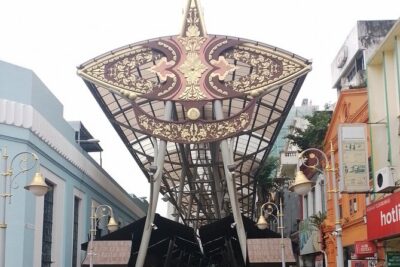
- Petaling Street Market: Chinatown with haggling and crowds
- Brickfields: a brief story that explains part of KL’s past
- Guide quality can make or break your day
- Practical tips to get the most from the route
- Should you book this Ten Wonders Of Kuala Lumpur tour?
- FAQ
- How long is the Ten Wonders Of Kuala Lumpur shared tour?
- Where does the tour start?
- What time does the tour begin?
- Is pickup included?
- Are tickets included?
- Is lunch included?
- What sights are included on the route?
- Is the tour in English?
- How big is the group?
- What if weather is bad or I need to cancel?
Quick hits before you go
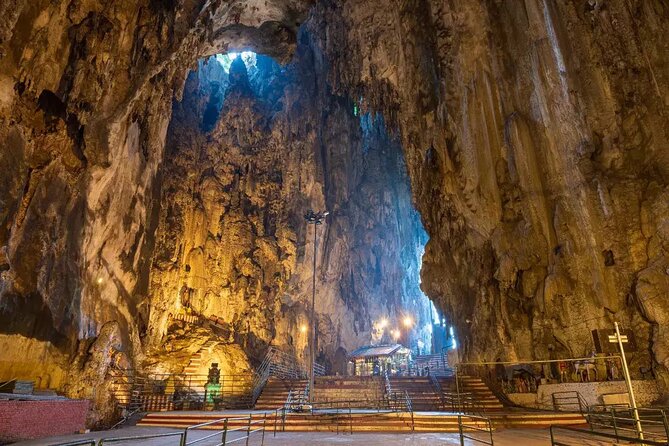
- Batu Caves + Hindu shrines: a full hour at the limestone outcrop with temple caves and photo-ready views.
- Masjid Negara stops for architecture: star-shaped dome and a 73m high minaret, plus time to walk and look.
- Independence landmarks: Dataran Merdeka and the Sultan Abdul Samad Building (1890, Moorish design).
- Batik culture without the hard sell: a visit to Jadi Batik Gallery to understand batik as craft, not just cloth.
- Two market moods: Central Market (included admission) and Petaling Street Chinatown (time for haggling and snacks).
- Air-conditioned shared transport + English-speaking guide/driver: practical when KL traffic can steal your day.
Why this KL loop fits a short visit
Kuala Lumpur can be surprisingly easy to over-plan. This tour works because it’s built around one simple idea: you don’t want to waste half your day getting from one “must-see” to the next. In about 5.5 hours, you cover religious sites, colonial-era architecture, and market streets—plus the Batu Caves outside the city center.
The best part is the mix. KL isn’t just skyline-and-shopping. You get a public face of Malaysia (mosques and independence square), a living craft tradition (batik), and the everyday street energy (Chinatown and markets). If you’re in town for one day or you’re coming off another stop and want to keep things moving, this kind of “greatest hits” routing is a practical win.
You can also read our reviews of more tours and experiences in Kuala Lumpur.

Price and what $55.97 really buys you
At $55.97 per person, the value comes less from ticket prices and more from the package: transportation + an English-speaking driver/guide plus included admission at at least two major stops. You’re also getting the structure of a fixed route, with set time blocks at each location, which is exactly what you pay for when your time is limited.
Here’s what you should think about before you decide:
- Several sites are not chargeable on the itinerary side (Batu Caves, Jadi Batik Gallery, Masjid Negara, Dataran Merdeka, River of Life, Thean Hou Temple, Petaling Street Market).
- Admission is included for the Sultan Abdul Samad Building and Central Market, which helps justify the price if you would otherwise have to plan those separately.
- Lunch is not included, so you’ll likely add a meal (or at least snacks) on your own.
If you like independent travel, you might compare cost to doing this by public transport. The difference is time. In a place like KL, saving time often beats saving money.
Pickup, shared van, and why timing feels different in KL
The tour starts at 9:00 am at Suria KLCC, Level 2, Menara Berkembar Petronas (Petronas Twin Towers area). Pickup is offered, and the experience uses an air-conditioned vehicle with an English-speaking driver/guide. The group size is capped at up to 50 travelers, which usually keeps things from turning into a huge coach scramble.
Still, shared transport changes the feel of the day:
- You’re moving on a schedule, not your own preferences.
- Stops are time-limited, so you’ll want to prioritize what matters most to you.
- If you get stuck behind traffic, the tour can feel tight at the end (even when the driver works hard to recover time).
What helps: show up ready to move. Comfortable shoes matter. And if you’re the type who likes asking lots of questions, plan to do that early—because later on, everyone’s trying to keep photos and walking moving.
Batu Caves: the famous caves, plus monkey energy
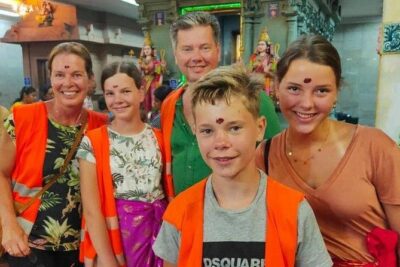
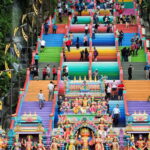
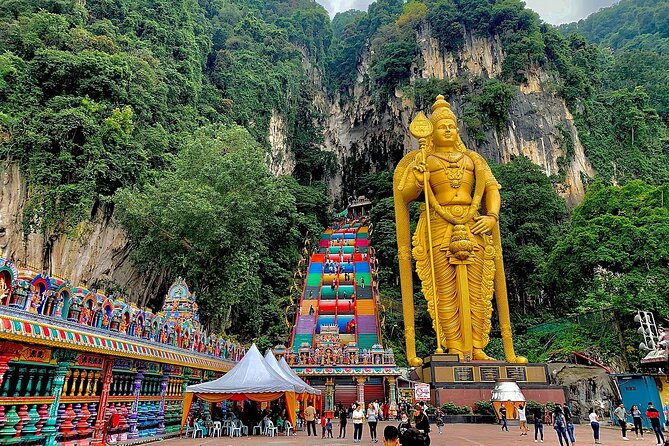
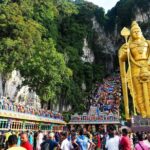
Batu Caves is the headline stop, with about 1 hour on site and admission ticket free. It’s a limestone outcrop just north of KL with three main caves that hold temples and Hindu shrines. You’ll see the iconic climb and get the classic postcard angles.
This stop is also where the tour can feel most alive, because Batu Caves has its own rhythm. There are temple visitors, selfie tourists, and the very real presence of monkeys—one of the most entertaining parts for many people on this route.
Practical tips to enjoy it:
- Wear shoes with grip. The steps and paths can feel slippery.
- Bring sun protection. Even with shaded cave areas, you’ll spend time outdoors.
- Keep your belongings secure. If monkeys are around, they tend to be curious.
This is also a good place to decide your photo strategy. If you take your time near the entrance, you’ll have fewer minutes later for the inner viewpoints. One hour is enough, but it’s not a slow afternoon.
Jadi Batik Gallery: craft you can understand in 30 minutes
Next is a 30-minute stop at Jadi Batik Gallery, also free admission. This visit is valuable because it frames batik as something more than a printed souvenir. The gallery presents batik as a craft tradition—how the design gets made and what it means.
You’re not getting a full workshop here, but you do get context. That matters because batik is often marketed like it’s just a pattern. Knowing the basics helps you shop smarter later (and helps you appreciate what you see even if you don’t buy).
If you do want to buy textiles, treat this as your starting point. It’s easier to compare quality and design once you’ve had a quick primer on what to look for.
- Private Tour Kuala Lumpur with Petronas Twin Towers Observation Deck & Batu Cave
★ 5.0 · 1,029 reviews


Masjid Negara (National Mosque): modern lines, big scale
Masjid Negara is one of KL’s most distinctive landmarks, and it’s a 30-minute stop with free admission on the itinerary. You’ll likely notice the star-shaped dome first, and then the scale: a 73m high minaret.
Even if you’re not religious, this stop can be powerful because architecture tells a story. Modern mosque design meets a clear sense of purpose, and the site layout helps you understand how the building functions as a civic space.
A practical consideration: this is an active place of worship. If you visit outside of peak timing, you can still enjoy the building without crowds swallowing your time. Also, plan for modest clothing expectations when you’re walking around the grounds.
The River of Life: a short stop with a city-history angle
The River of Life is a 20-minute stop, free admission, located near Masjid Jamek Sultan Abdul Samad, which the itinerary describes as the oldest mosque in the city. The River of Life is described as a convergence point of two rivers, so you get a quick lesson in how waterways shape a city.
This stop is shorter by design. You’re not going to build a whole plan around it. But it helps you connect the dots between the mosques and the city’s layout. If you’ve only ever seen KL as malls and streets, it’s a reminder that the city is tied to geography.
Dataran Merdeka and Sultan Abdul Samad Building: independence in open air
This is where the tour slows down just enough for you to stand in history.
Dataran Merdeka (Independence Square) gets about 25 minutes, free admission, and it’s directly across from the Sultan Abdul Samad building. The itinerary highlights it as the historical place where the union flag was lowered—a clear cue that you’re standing on a moment associated with Malaysia’s independence story.
Then you have 25 minutes at the Sultan Abdul Samad Building with admission included. It’s an 1890 building known for a distinctive Moorish design. Even from street level, the building’s style is eye-catching, and the exterior details give you something to study without needing to be an architecture expert.
How to get the most out of this section:
- Take a minute to look at the square layout from where the guide tells you to stand.
- Then walk slowly along the edges. A building like this reads differently from different angles.
It’s one of the few stops on the route where you can feel you’re in a “set piece” of KL rather than just passing through.
Thean Hou Temple: six tiers and sea goddess symbolism
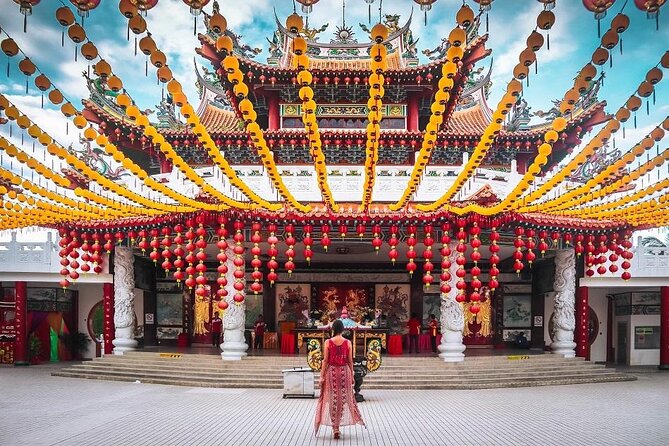
Next comes Thean Hou Temple, a 30-minute stop with free admission. The itinerary describes it as a six-tiered temple dedicated to the Chinese sea goddess Mazu, located on land atop Robson Heights and overlooking Jalan S… (the street name is cut off in the description you provided, but the key idea is elevation and views).
This stop is a favorite when you want variety. Batu Caves gives you Hindu cave temples. Masjid Negara gives you modern Islamic architecture. Here you get a Chinese temple complex with its own symbolism and a different visual rhythm.
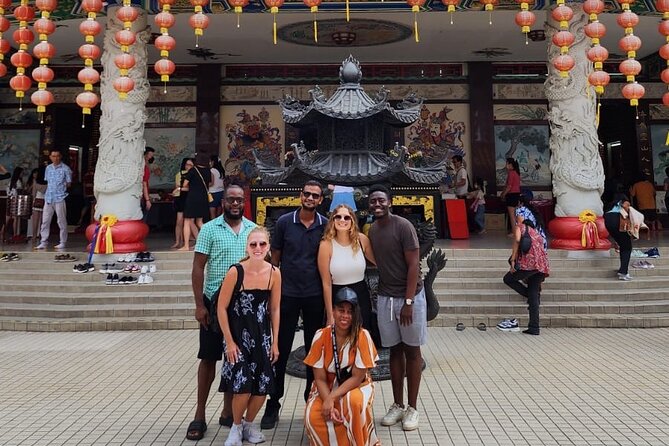
If you’re into photos, this is often a good one because temple steps and tiers tend to create strong compositions. If you’re more into quiet observation, you can use the time to focus on the details that change as you move around the structure.
Central Market Kuala Lumpur: old wet market energy, now a shopping stop
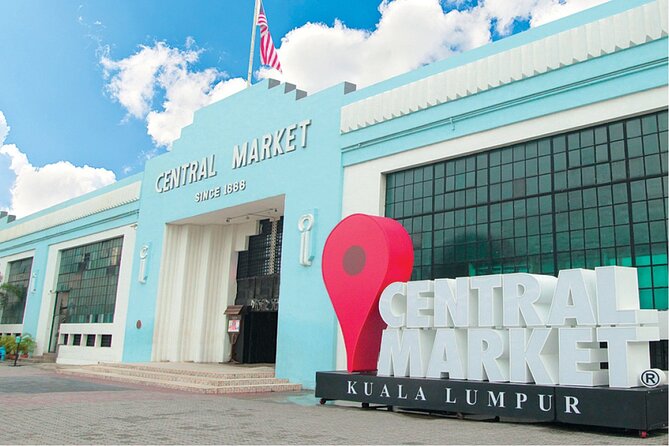
Central Market takes about 45 minutes, with admission included. The itinerary notes it began life as a wet market in 1888, built by Yap Ah Loy, the city’s Chinese Kapitan. That one detail matters. The building isn’t just a fancy hall—it started as a core trading place.
For practical enjoyment, Central Market is a smart stop late in the day because it’s easy to browse without needing major orientation. You can grab a snack, browse crafts, and use the time to reset after earlier walking.
One possible caution: markets can be loud and crowded, and some sections might move you through quickly. If you want to browse calmly, start early in your 45 minutes before momentum takes over.
Petaling Street Market: Chinatown with haggling and crowds
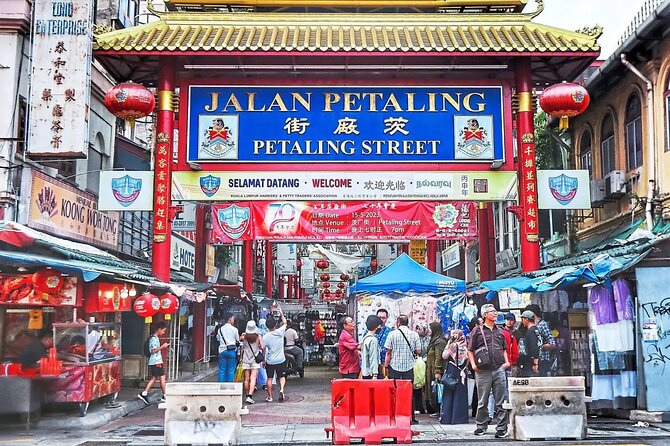
You’ll then head to Petaling Street Market for about 30 minutes. This is described as KL’s Chinatown area, where haggling is common and the streets are usually crowded with locals and tourists.
This stop is less about getting “one perfect view” and more about soaking up the street vibe. If you like shopping and people-watching, it hits the spot. If you dislike crowds, you might still enjoy it, but you’ll want to move with purpose and keep your expectations realistic.
If you plan to buy things here, give yourself permission to walk a bit before you commit. Haggling can work, but it’s easier when you’ve seen a couple of options.
Brickfields: a brief story that explains part of KL’s past
There’s also a stop mentioning Brickfields, described as the late-19th-century center of brick-making after a huge fire and flood swept through Kuala Lumpur in 1881. The goal here appears to be giving you a quick historical thread—how parts of KL developed around disasters and rebuilding.
This is one of the spots where the tour can feel more like a roadside explanation than a full “go explore” experience. That can be fine if you like big-picture learning, but it’s worth knowing so you don’t expect a long independent wander.
Guide quality can make or break your day
The tour’s core promise is simple: get to the sights fast and get facts along the way. When the guide is especially active, the day feels fun and thoughtful. When the guide angle is lighter, it can feel like you’re mostly being dropped near landmarks to explore on your own.
The most praised days in this route often include guides who are:
- friendly and welcoming,
- quick with explanations,
- and good at keeping timing under control.
Names that show up in the guide experiences for this tour include Happy, Steven, Ben, Raj, and Patrick. In the best versions of this tour, you’ll also get help with photo moments and practical pointers for what to do once you arrive at each site.
My advice: if you want a more talk-heavy experience, ask questions during the car ride when you first meet the guide. That’s when you’re most likely to get answers, and it can turn a time-limited stop into a more memorable one.
Practical tips to get the most from the route
A few things that will help you enjoy this day instead of merely surviving it:
- Bring a light layer and sun protection. You’ll move between shaded and sunny spaces, especially around Batu Caves.
- Plan your meals around the end of the tour. Since lunch isn’t included, decide where you’ll eat after markets. If you skip food, you’ll feel it later.
- Wear comfortable, grippy shoes. Temples and cave entrances mean steps and uneven surfaces.
- Use the photo window wisely. If you stop for a long chat, the group will move on. If you want photos, take them early in each stop.
- If a site is restricted, don’t panic. The itinerary describes many free-admission moments, but real-world access can change. For example, places may be closed during certain times, or buildings can be under refurbishment. A good guide will adjust so you still get value.
Should you book this Ten Wonders Of Kuala Lumpur tour?
Book it if:
- you have one day (or half a day) and you want KL’s biggest variety—religious landmarks, independence square, and the market areas.
- you prefer having transport handled and a route that keeps you from zigzagging across the city.
- you like the idea of learning quick context while you move, not studying for hours at each stop.
Consider skipping (or adjusting expectations) if:
- you want a slow, deep, sit-down tour. This is fast and stop-based.
- you hate crowded market streets and rapid transitions between sights.
- your priority is learning very detailed stories at every location. Some days feel more transport-and-free-time than full narration.
My bottom line: if you’re practical and time-poor, this tour is a strong way to see the shape of Kuala Lumpur in a single morning into early afternoon. It’s not perfect for everyone, but when the timing and guide energy align, it’s an efficient, genuinely fun introduction to the city.
FAQ
How long is the Ten Wonders Of Kuala Lumpur shared tour?
It runs for about 5 hours 30 minutes.
Where does the tour start?
The meeting point is Suria KLCC, Lot No. 241, Level 2, Menara (Menara Berkembar Petronas area), Kuala Lumpur City Centre.
What time does the tour begin?
The start time is 9:00 am.
Is pickup included?
Pickup is offered.
Are tickets included?
Admission is marked as included for the Sultan Abdul Samad Building and Central Market Kuala Lumpur. Other listed stops are marked free on the itinerary.
Is lunch included?
No. Lunch isn’t included, but you can buy food on your own, and food recommendations may be provided.
What sights are included on the route?
The tour includes Batu Caves, Jadi Batik Gallery, National Mosque (Masjid Negara), River of Life, Dataran Merdeka, Sultan Abdul Samad Building, Thean Hou Temple, Central Market Kuala Lumpur, and Petaling Street Market (with additional context such as Brickfields).
Is the tour in English?
Yes. It includes an English speaking driver/guide.
How big is the group?
The group size has a maximum of 50 travelers.
What if weather is bad or I need to cancel?
The experience requires good weather. If it’s canceled due to poor weather, you’ll be offered another date or a full refund. You can cancel for free up to 24 hours before the experience starts for a full refund.