REVIEW · KUALA LUMPUR
Kuala Lumpur: Half-Day Photo Tour with Petronas Twin Towers
Book on GetYourGuide →Operated by Travelvago · Bookable on GetYourGuide
Six hours, and KL looks different. This half-day Kuala Lumpur photo tour stacks two major skyline experiences (the Petronas Twin Towers observation deck plus Kuala Lumpur Tower) with classic monuments and culture spots, so your camera has plenty to do. I especially like the fast, structured route through Merdeka Square and the Independence-area landmarks, and I love the photo-friendly payoff of going up into the clouds twice. One possible drawback: food isn’t included, so you’ll want to plan a snack or lunch around the tour timing.
With hotel pickup and drop-off plus an English-speaking driver/guide, you’re not trying to figure out timing, tickets, or where to stand for good angles. The tour also mixes architectural styles and religions in one loop, from modern icons to temples and mosques, which makes your photos feel more like a story than a checklist.
Just note the stops are fairly short photo windows. You’ll see a lot, but if you like long museum time or slow, unhurried wandering, you may want to pair this with extra time on your own later.
In This Review
- Key highlights to clock before you go
- Petronas Twin Towers + KL Tower: the photo combo that actually works
- Getting your bearings at Istana Negara and Merdeka Square
- Perdana Botanical Garden: quick greenery for a calmer frame
- National Museum: artifacts that make your photos feel specific
- Lake Gardens to the National Monument: Malaysia’s WWII symbol
- National Mosque: a strong architectural moment at 73 meters
- Thean Hou Temple: ornate roofs and calm, religious detail
- Kuala Lumpur Railway Station: Anglo-Asian design details worth a pause
- Kuala Lumpur Tower: the highest-point skyline payoff
- Value and price: what $146 buys you in a real day
- Timing, pacing, and how to get better photos
- Should you book this Kuala Lumpur photo tour?
- FAQ
- How long is the tour?
- Is hotel pickup and drop-off included?
- Are tickets to the Petronas Twin Towers included?
- Are tickets for Kuala Lumpur Tower included?
- Does the tour include meals or food?
- Is this a private group tour?
- Can I cancel for a full refund?
- FAQ
- Who is the guide, and what language is used?
- Does the tour skip the ticket line?
Key highlights to clock before you go
- Petronas Twin Towers access plus the 2-story bridge experience for dramatic city-and-surroundings shots
- Skip-the-line tickets (subject to availability) for both Petronas and Kuala Lumpur Tower
- Two big viewpoints: Petronas observation deck and Kuala Lumpur Tower’s observation deck + skydeck
- Iconic KL symbols from Merdeka Square to the National Monument and National Mosque
- A culture mix that photographs well: National Museum artifacts, Thean Hou Temple detail, and KL Railway Station architecture
- Guides with strong execution—from early ticket handling by guides like Jacop, to excellent guiding by Ayyanar and Cigar, based on real bookings
Petronas Twin Towers + KL Tower: the photo combo that actually works
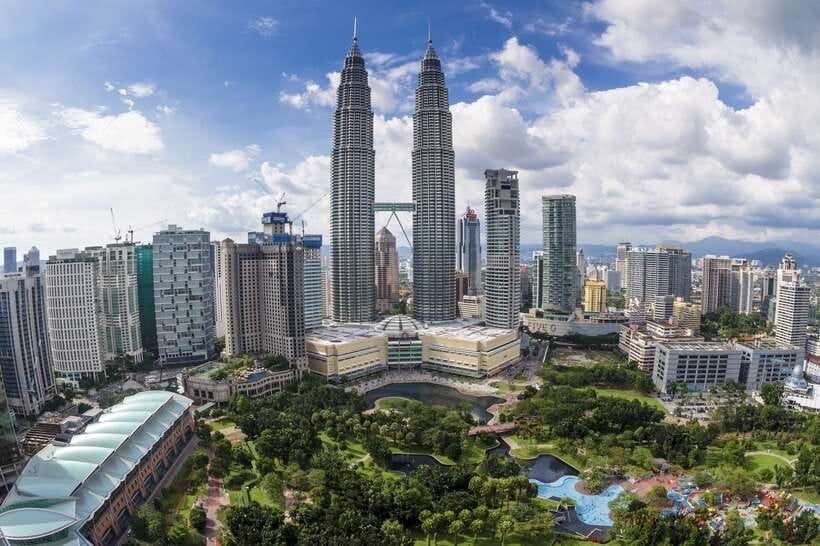
Kuala Lumpur is a city of layers, and this tour gives you a smart way to capture them. You start with the Petronas Twin Towers, then later go to Kuala Lumpur Tower for the highest-point panorama. That combination is great because you get two different “KL heights” and two different visual moods.
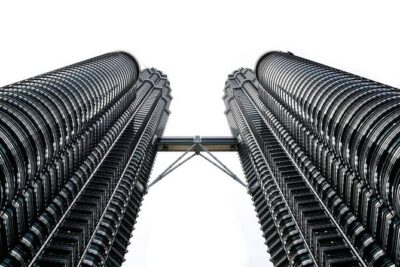
At the Petronas, you’re not just looking up—you’re going onto the observation deck and onto the 2-story bridge. The bridge matters for photos because it gives you a natural framing tool. From that height, you can catch the towers’ geometry and also see how the city spreads out around them. It’s one of those rare moments where the architecture feels like it’s collaborating with your camera.
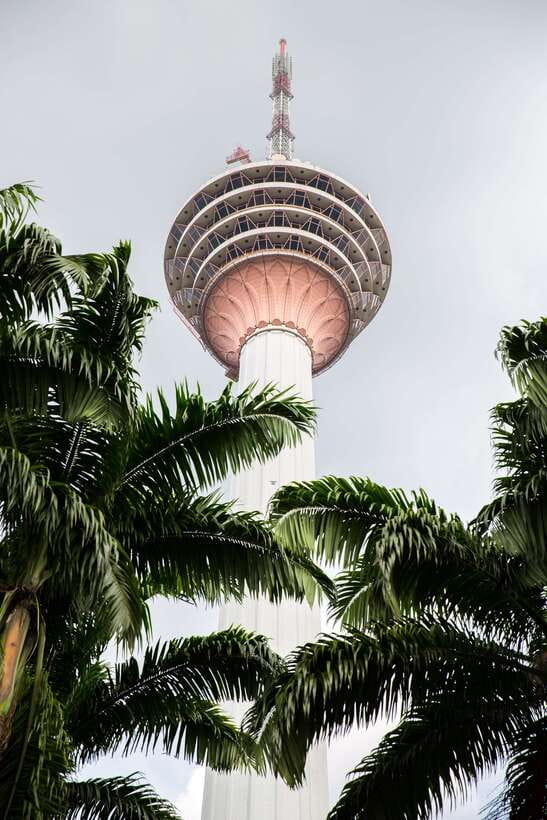
Then you move to Kuala Lumpur Tower for panoramic views. The tower is known as one of the tallest in the world rankings, and you’ll be taken up to the observation deck and skydeck. This second viewpoint helps you avoid the common mistake of getting only “tall building” photos. Instead, you walk away with skyline shots plus a sense of geography—how neighborhoods and landmarks connect.
Practical note: observation decks can shift with ticket timing and availability, and the tour’s ticketing is subject to availability. The payoff is worth it, but it’s wise to build your day around the scheduled time on that ticket.
You can also read our reviews of more tours and experiences in Kuala Lumpur.

Getting your bearings at Istana Negara and Merdeka Square
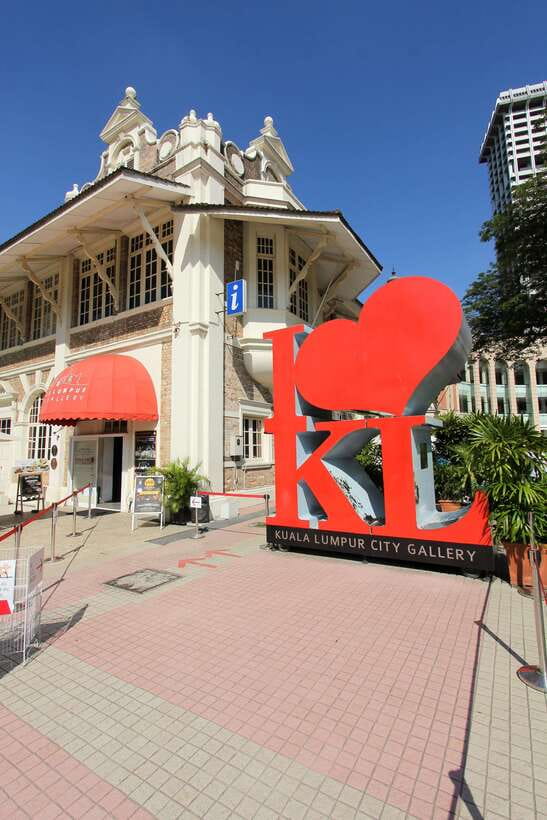
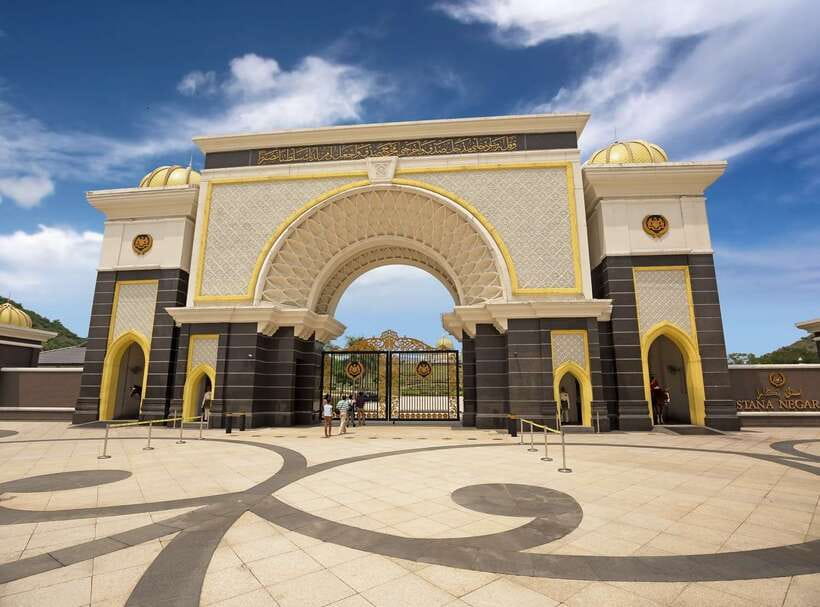
Before you hit the big ticket towers, you get a grounding loop of central KL landmarks. The stop at Istana Negara (King’s Palace) is a key setup moment because it connects the royal grounds to the city’s geography—your route includes a stunning view over the Klang River area. Even if you’re not chasing royal history photos, that river-and-palace angle is visually strong and gives you a sense of where KL’s major sights sit.
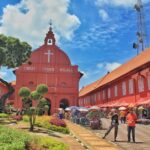
From there, you get to Merdeka (Independence) Square. This is a classic “KL postcard” location, but the photo value here is in how it anchors the city’s modern identity. You’ll have a short photo stop and sightseeing time, so your goal is to quickly grab wide shots of the square while you can still find clean lines with minimal crowd chaos.
This pair—Istana Negara and Merdeka Square—helps you do something useful with your camera: you build a baseline. Then when you later photograph the religious sites, temples, and memorials, your photos feel tied together by theme and place, not random.
Perdana Botanical Garden: quick greenery for a calmer frame
You also pause at Perdana Botanical Garden. It’s not presented as a long, deep nature day. Instead, it’s a quick reset—time where you can swap out hard angles of buildings for softer, calmer frames of greenery and open space.
For photography, that matters. After the intense visual weight of central monuments, a garden stop gives your images breathing room. It also helps if you’re traveling with someone who’s less obsessed with landmarks and more interested in a moment of calm.
Short stop warning: since time is limited, don’t plan on walking far. Treat it as a “find a viewpoint and shoot” kind of stop.
National Museum: artifacts that make your photos feel specific
One of the best parts of this tour is that it doesn’t only aim at skyscrapers. You also stop at the National Museum, where you can spend time taking pictures of traditional weapons, costumes, ancient artifacts, and musical instruments.
This is a big value-add because it prevents your KL photo set from becoming all architecture and no culture. Museum photos also give you variety in texture—metal, fabric, carved details, and the kind of objects that look different depending on your lighting.
The catch is timing. Museums can swallow hours if you let them. This tour keeps it moving, so I’d think of this stop as a curated sampling window. If you’re a serious collector of museum detail shots, you might want extra time on your own after the tour.
Lake Gardens to the National Monument: Malaysia’s WWII symbol
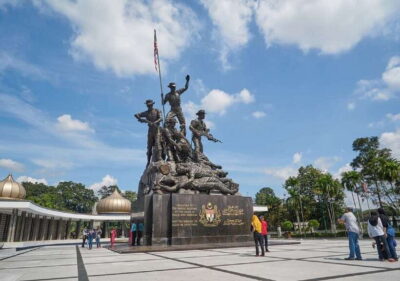
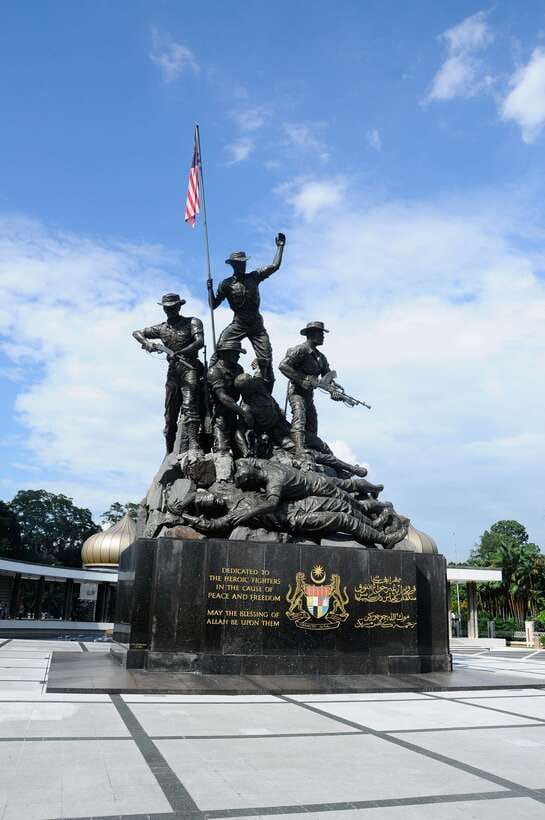
From the museum area you continue toward Lake Gardens, and then to the National Monument. This sequence is useful because it’s an easy way to capture both a peaceful break (Lake Gardens) and a major memory space (National Monument) without backtracking.
The National Monument stop is tied to Malaysia’s World War II struggles, and photography here tends to work best when you’re not only shooting the monument itself. Try to include surrounding context where possible. That gives your photo set a stronger sense of place and meaning.
Shopping is listed as part of the time window at this stop, which is helpful if you want a quick souvenir moment without turning the whole day into a store run. Still, keep expectations realistic: it’s short.
You can also read our reviews of more tours and experiences in Kuala Lumpur


National Mosque: a strong architectural moment at 73 meters

Then you head to the National Mosque of Malaysia, including time to admire its 73-meter-high minaret. What makes this stop photograph-worthy is the mix of styles—there’s an eastern-and-western architectural blend that stands out in images.
This stop is also valuable for how it balances the rest of the day. You’ll have already seen royal grounds, civic space, and tall towers. The mosque adds a different kind of “power of design” to your set—less about height for its own sake, more about form.
One consideration: since your time there is limited, keep your strategy simple. Go in with a plan for a wide shot first, then move to details. That way you don’t end up spending the entire time chasing perfect angles and forgetting to grab the obvious photo.
Thean Hou Temple: ornate roofs and calm, religious detail
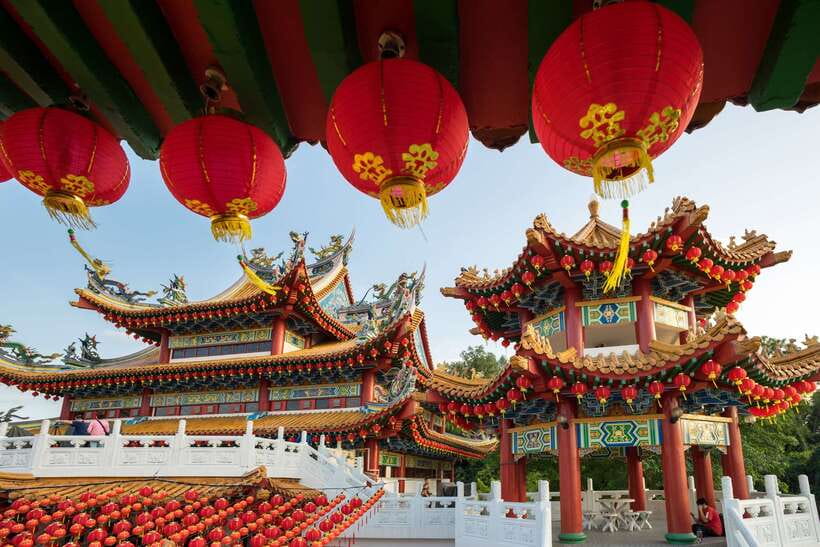
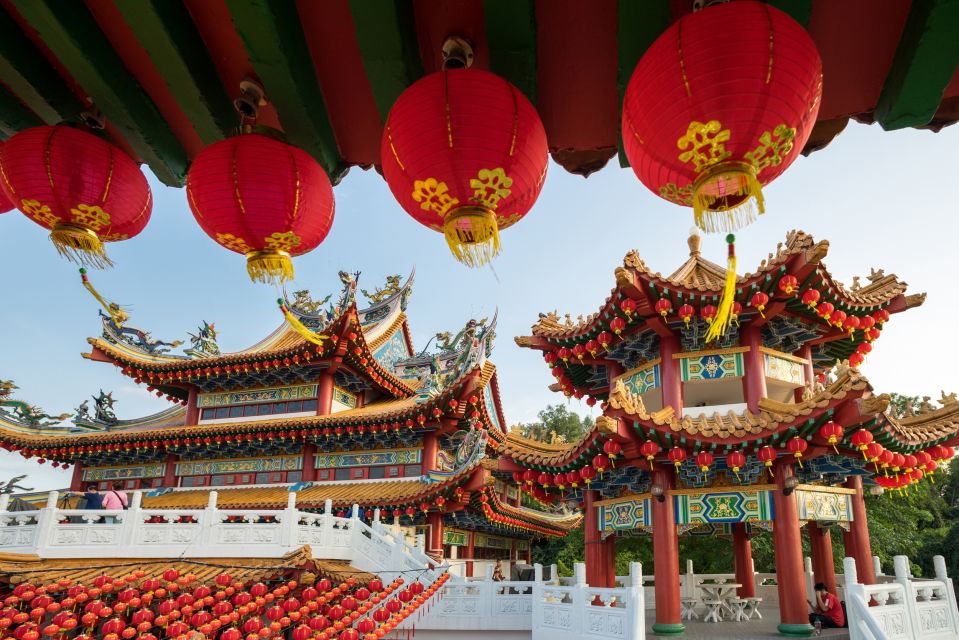
Next up is Thean Hou Temple, a six-tiered temple dedicated to the goddess Tian Hou. This is the kind of stop that rewards you if you like architectural detail.
You’ll be looking at ornate carvings and elegant roof lines, plus the kind of wall embellishments that are hard to fully appreciate from one quick walk-by. The good news for a half-day tour is that you don’t need hours to capture strong images here—just enough time to step back for the full building view, then move in for close-up texture shots.
A cool angle to keep in mind: the temple is presented as an example of harmony among Buddhism, Confucianism, and Taoism. That theme can help you frame your photos like a visual explanation rather than a collection of pretty buildings.
Kuala Lumpur Railway Station: Anglo-Asian design details worth a pause
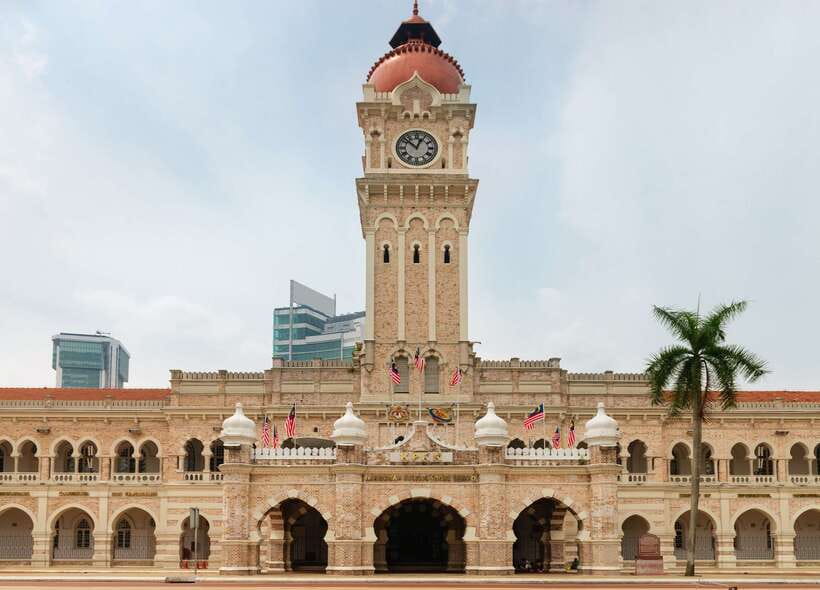
One highlight is the Kuala Lumpur Railway Station, noted for its Anglo-Asian design created by English architect Arthur Benison Hubback. Even if you’re mainly there for the big sights, this stop is worth treating as a “detail break.”
Railway stations often look like they belong to the city’s everyday life, but the reason it lands in this photo tour is design. It’s one of those places where a quick shot can show both colonial influence and local character—especially if you position yourself to catch repeating lines, columns, or the station’s signature architectural rhythm.
If you like photos that show the city’s past alongside its present, this is one of your best anchors.
Kuala Lumpur Tower: the highest-point skyline payoff
Late in the day, you go to Kuala Lumpur Tower for the top views. This is the “end-of-day camera reward” stop. You’ll get to the top for panoramic views across the city from the tower’s highest point, and the ticket includes the observation deck and skydeck.
This is where you should focus on wide skyline shots. At this height, KL becomes a map: rivers, major corridors, and clusters of buildings become visible in a way you can’t get from street level. It’s also a chance to re-shoot the city after you’ve seen many of its key monuments earlier.
Design note you might like: the tower’s domes were shaped by Iranian architects, Isfahan, using forms described as Persian muqarnas. If you happen to spot design features on the way up or around viewing areas, it’s worth photographing those as detail shots that contrast with the skyline.
Value and price: what $146 buys you in a real day
At $146 per person for a 6-hour private group, the value mostly comes from what’s included—not just what’s seen.
You get:
- Hotel pickup and drop-off
- An English-speaking driver/guide
- Tickets to the Petronas Twin Towers (subject to availability)
- Tickets to Kuala Lumpur Tower (observation deck + skydeck)
- A guided loop through major photo stops, including civic, religious, and museum sites
That matters because Petronas and KL Tower access can be the hardest part to manage on your own. This tour also lists skip the ticket line, which can save real time.
The main thing you provide is food. Since food and beverages aren’t included, budget for a snack or meal during your travel rhythm. If you don’t, the day can feel rushed at the points when your energy dips.
Is it worth it? If you want a structured, high-photo-yield half day with major skyline access already handled, this price looks fair. If you’d rather move at your own pace and you don’t care about deck tickets, it might be overkill.
Timing, pacing, and how to get better photos
This is a half-day photo tour, so pacing is the whole game. Stops like Merdeka Square, Perdana Botanical Garden, and even National Monument time are short. That means you should think in shot categories:
1) one wide establishing shot first
2) then one or two detail shots
3) finish with a quick angle experiment if time allows
Also, the tour is designed around access and viewpoint timing—Petronas first, then later KL Tower. If you’re using your phone more than a camera, make sure it’s charged for deck time. Observation decks are the moment when you’ll hate a low battery.
Transport quality is rated extremely well, and it includes pickup from your hotel in Kuala Lumpur. That reduces friction more than you might think. In a city with multiple landmark areas, the convenience of a driver and a route plan is part of the tour’s real value.
Should you book this Kuala Lumpur photo tour?
I’d book this tour if:
- You want two viewpoint experiences (Petronas + KL Tower) without spending time planning ticket logistics
- You like a photo route that mixes modern icons with monuments, museums, temples, and architecture
- You’d rather have an English-speaking guide keep the day moving and help you capture better frames
I might skip it if:
- You want long, slow museum time and extended walking between sights
- You already know you’ll come back to Petronas and KL Tower later, and you’re comfortable handling everything solo
If your goal is a high-output photo day with less hassle, this is a solid choice.
FAQ
How long is the tour?
The tour runs for 6 hours.
Is hotel pickup and drop-off included?
Yes. Pickup from your hotel in Kuala Lumpur and drop-off at the end of the tour are included.
Are tickets to the Petronas Twin Towers included?
Yes. Your ticket for the Petronas Twin Towers is included, subject to availability.
Are tickets for Kuala Lumpur Tower included?
Yes. Your ticket includes access to the observation deck and skydeck.
Does the tour include meals or food?
No. Food and beverages are not included.
Is this a private group tour?
Yes. It’s listed as a private group.
Can I cancel for a full refund?
Yes. You can cancel up to 7 days in advance for a full refund (the tour can be cancelled up to 1 week before the selected date).
FAQ
Who is the guide, and what language is used?
You’ll have an English-speaking driver/guide.
Does the tour skip the ticket line?
Yes. It’s described as skipping the ticket line.