REVIEW · KUALA LUMPUR
Kuala Lumpur Half Day Batu Caves And Cultural Group Tour
Book on Viator →Operated by Travelvago · Bookable on Viator
Four stops, one smooth cultural circuit. This Kuala Lumpur half-day tour strings together major religious and market landmarks outside the city core, with a guide who helps you see the meaning behind what you’re looking at. I love the included hotel pickup/drop-off and the air-conditioned vehicle that keeps the day moving without waiting around for transit.
You’ll also appreciate the small group size (max 15), which makes it easier to ask questions when you’re standing in places where local customs matter. The main catch is physical effort: Batu Caves involves climbing 272 steps, so this is best if you’re comfortable walking and pausing when needed.
My advice is to go in with the right expectations: this is active sightseeing, not a sit-and-rest museum day. If you dress correctly for Masjid Negara and wear grippy sneakers, you’ll get more out of every stop.
In This Review
- Key things I’d plan around
- Why this half-day works so well for Kuala Lumpur first-timers
- Batu Caves: what you’ll see, what you’ll feel, and how to prepare
- Thean Hou Temple on Robson Heights: pagoda architecture with Hainanese roots
- Masjid Negara (National Mosque): dress code, gardens, and Friday timing
- Dress code you must follow
- Friday closure detail
- Petaling Street Market: Chinatown energy without the navigation stress
- Little India Brickfields: textiles, jewelry, and comfort-food options
- Price and logistics check: is $35 good value?
- The guide and group size: what makes the difference
- Who this tour fits best (and who should skip it)
- Should you book this Kuala Lumpur Batu Caves and cultural group tour?
- FAQ
- How long is the Kuala Lumpur half-day tour?
- What time does the tour start?
- Is hotel pickup and drop-off included?
- Do I get an air-conditioned vehicle?
- Is the ticket mobile?
- Is food included?
- Are admission tickets included for the stops?
- What should I wear for the National Mosque?
- Is the National Mosque open every day?
Key things I’d plan around
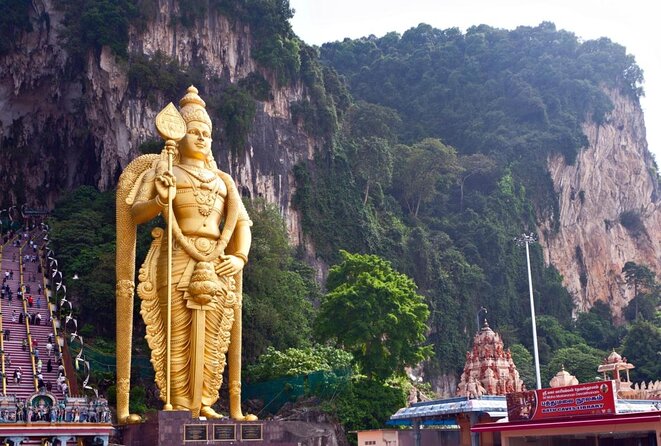
- 272 steps at Batu Caves: wear comfortable shoes and pace yourself on the climb
- Air-conditioned comfort: you’re chauffeured between far-flung neighborhoods
- Religious sites in one loop: Hindu shrine area, then two major faith landmarks
- Markets after temples: Petaling Street and Brickfields let you switch gears fast
- Small group feel (up to 15): easier guidance and less crowding on the ground
Why this half-day works so well for Kuala Lumpur first-timers
Kuala Lumpur spreads out more than you’d think. Trying to line up Batu Caves, a mosque visit, and two cultural neighborhoods on your own can turn into bus-and-train homework. This tour solves the logistics problem with pickup from hotels inside Kuala Lumpur city limits, plus guided stops in a tight 4-hour window.
I also like how the route doesn’t just show you pretty buildings. It gives you a quick framework for understanding Malaysia’s mix of faiths—Hindu worship at the caves, then a major Buddhist-style pagoda, then the National Mosque grounds, and finally the city’s trading neighborhoods.
The value here is practical. At $35 per person, you’re paying for transportation, a guide in English, and the structure that keeps you from guessing at timing.
You can also read our reviews of more tours and experiences in Kuala Lumpur.
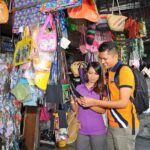

Batu Caves: what you’ll see, what you’ll feel, and how to prepare
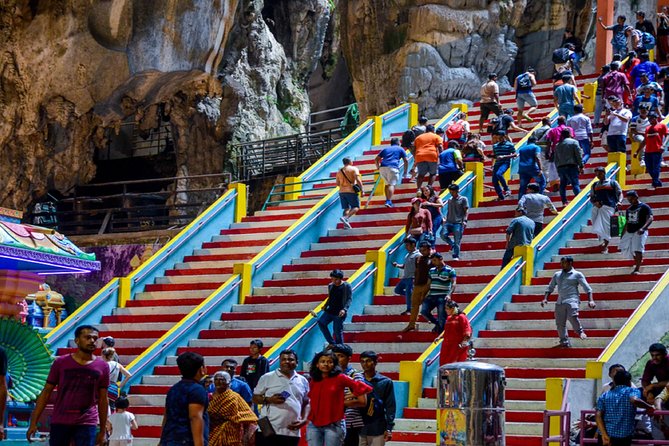
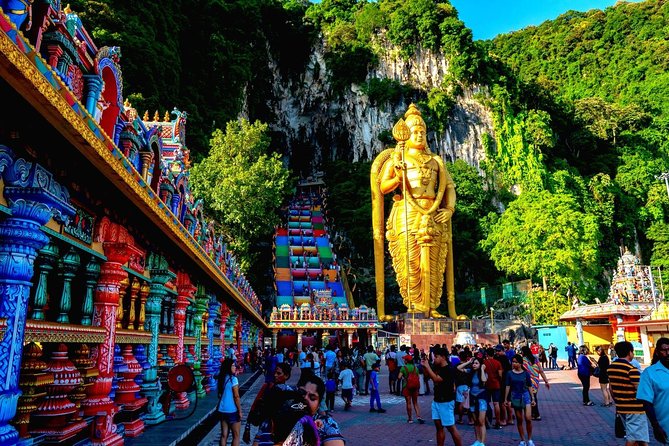
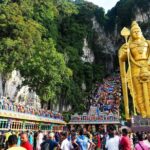
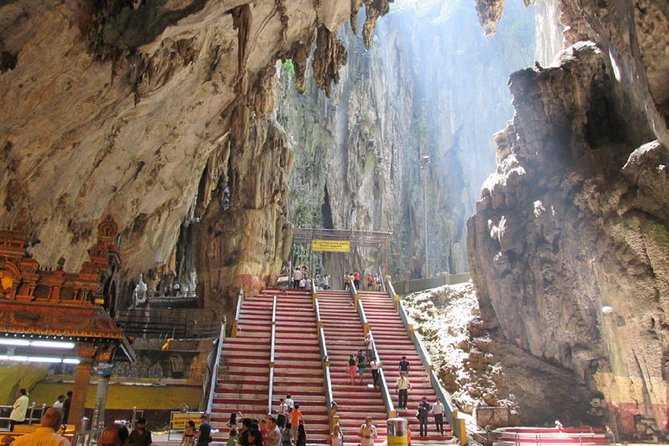
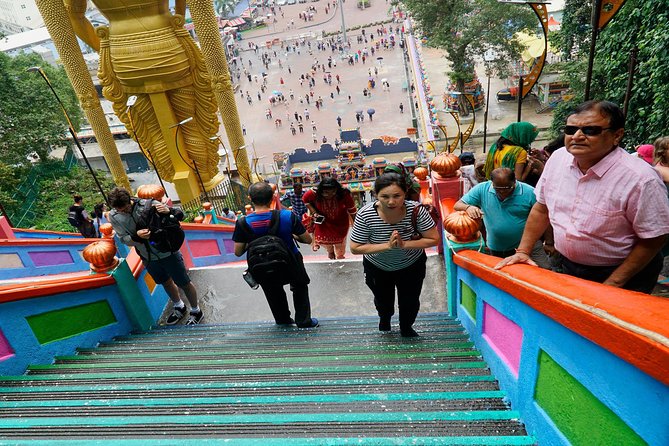
Batu Caves is the headline, and it’s a real contrast to the city traffic. After about a 30-minute scenic drive, you arrive at a Hindu shrine complex where the guide explains the Hindu roots behind the country’s broader cultural story. Then you climb the famous set of steps—272 steps—up to the cave area.
Plan your climb like an interval workout. Even in cooler morning hours, the steps can feel steep and long. Comfortable sneakers matter here, and it helps to expect you’ll slow down if you need shade or a breather.
Once you’re up top, look beyond the postcard views and pay attention to the religious details you’re being guided through. That’s where a good guide earns their spot. Some guides on this route—like Aru—are specifically called out for explaining things in a thorough, cultural way, so you don’t just walk through a spectacle.
One more note: the caves are a place of worship, not a theme park. Keep your pace respectful, follow any posted guidance, and be mindful about where you stop for photos.
Thean Hou Temple on Robson Heights: pagoda architecture with Hainanese roots
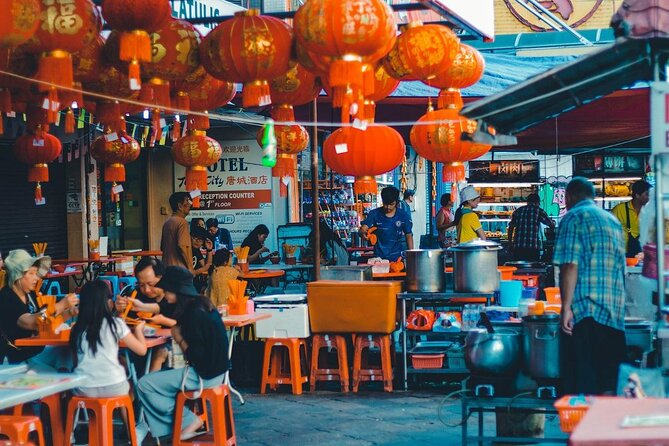
After the caves, the day shifts to a different kind of spiritual landmark: Thean Hou Temple, a six-tiered pagoda temple on Robson Heights. It was completed in 1987 and officially opened in 1989, and it was built by the Hainanese community of Kuala Lumpur.
This is a smart pairing with Batu Caves. You go from a limestone cave shrine setting to a staged pagoda view with multiple levels and a more panoramic feel. If you like architecture, this stop gives you clean visual anchors that are easier to take in quickly.
It’s also a good place to slow your brain down. You’re not expected to do a climb here, so it can reset you before the National Mosque visit.
Masjid Negara (National Mosque): dress code, gardens, and Friday timing
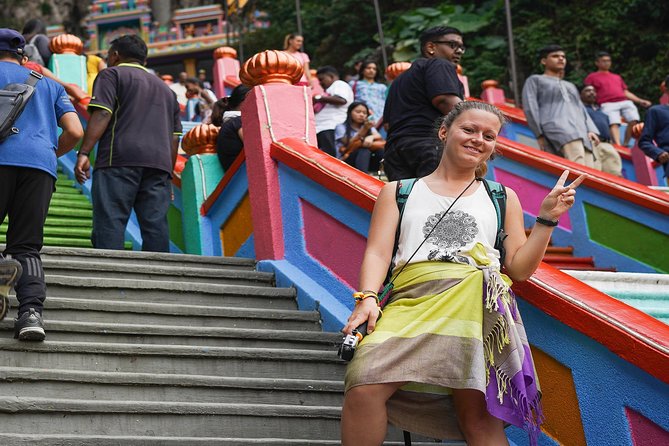
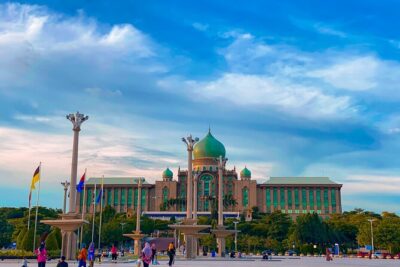
Next comes one of the biggest symbols of Malaysia’s national Islamic identity: Masjid Negara. The mosque sits on about 13 acres of gardens, so you’re not just walking between buildings—you’re moving through a designed landscape setting.
The architecture is described as a bold approach by its late-1950s designers, meant to reflect national aspirations. Your guide will usually give you the quick context you need so you understand why the building looks the way it does, not just what it looks like.
Dress code you must follow
This is where you want to be prepared. For women, plan for long dresses or long pants, with shoulders covered. Men can wear a simple tee and knee-length shorts or pants. Comfortable sneakers help, because you’ll be on your feet for short stretches.
If your clothes don’t match the dress requirements, you can lose time at the start. So I’d rather overpack one light layer you can use to cover up.
- Private Tour Kuala Lumpur with Petronas Twin Towers Observation Deck & Batu Cave
★ 5.0 · 1,029 reviews


Friday closure detail
There’s one scheduling catch: Masjid Negara is closed to tourists on Friday. If your trip date lands on a Friday, it’s worth double-checking whether the route changes or whether you should consider another day.
Petaling Street Market: Chinatown energy without the navigation stress
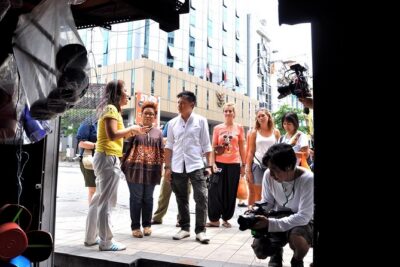
After temples, the tour moves into Petaling Street in Chinatown. This stop is about everyday Kuala Lumpur—food stalls, small shops, and traders from multiple communities, including Chinese, Indian, Malay, and Bangladeshi vendors.
You’ll see restaurants and food stalls serving local favorites such as curry noodles and other noodle-style dishes mentioned as part of the area’s offerings. It’s not an “eat everything” stop, and the tour doesn’t include food. Think of it more like a guided orientation to the market’s rhythm, so you know what to hunt for on your own after the tour ends.
Petaling Street can feel busy, so your guide’s job is helpful: you’re not just wandering. You’ll get a sense of what’s worth a quick look and what to skip.
If shopping is part of your plan, set a small budget before you walk in. Markets are where spending can creep up fast.
Little India Brickfields: textiles, jewelry, and comfort-food options
The final neighborhood stop is Little India in Brickfields, near KL Sentral. This area is known for textile shops and jewelry stores, plus low-key restaurants where you’ll spot Indian comfort-food choices like dosa-style pancakes and banana-leaf curries.
What I like about this stop is the variety. After religious sites and a major Chinatown market, Brickfields gives you a different set of sights, smells, and shopping lanes. It’s also a calmer-feeling area than some first-time visitors expect, especially if you keep your priorities clear: take a walk, browse, and then decide what you want to bring back.
Brickfields is also practical for transit. Being close to KL Sentral means it’s easier to continue your day afterward without feeling stuck far out in the city.
Price and logistics check: is $35 good value?
At $35 per person for about 4 hours, this tour is basically paying for three things: transportation, guide help, and time savings. The pickup and drop-off are included for hotels within Kuala Lumpur city, and you travel in an air-conditioned vehicle.
You do not get food and drinks included, so you’ll want to budget for at least a snack or a meal during the market segments. But that also gives you flexibility—if you don’t want to eat what’s nearby, you can choose what you like.
The other value lever is the pacing. A half-day format means you can still enjoy Kuala Lumpur at night without feeling like your whole trip revolves around Batu Caves.
My rule: if you only have a couple days in Kuala Lumpur, a packed cultural loop like this tends to outperform a “pick one thing” day. You get the big icons plus a realistic taste of market life.
The guide and group size: what makes the difference
The tour runs with a maximum of 15 travelers, which I see as a sweet spot. It’s small enough to ask questions and hear explanations without shouting over everyone, but large enough that you’re not always waiting on a single person.
The tour includes an English-speaking driver/guide. In practice, that can mean you’ll get guidance from the guide most of the time, but it can also mean the person behind the wheel isn’t always acting like a full-time storyteller.
Some people have praised guides by name, including Aru for thorough cultural explanations, and Sither for being accommodating. That matters because the day’s value depends on understanding what you’re seeing, especially at the religious stops.
If you care a lot about the cultural context, bring a short list of questions. Ask early—before Batu Caves—so your guide can tailor explanations as you go.
Who this tour fits best (and who should skip it)
This is best for active travelers who want an efficient cultural circuit. Batu Caves steps are the key factor, so if you have mobility limits or a knee/back issue that makes stairs hard, you might want a different day plan.
It’s also a good fit if you enjoy structured pacing. You’re not going to control every minute, but you’re less likely to waste time figuring out transit and timing between far-flung areas.
If you want a purely food-focused day, you might feel rushed at Petaling Street and Brickfields because the tour time is split across temples too. Still, you’ll have enough market time to taste and browse, just not enough to go full-on “food crawl.”
Should you book this Kuala Lumpur Batu Caves and cultural group tour?
Book it if:
- you want Batu Caves plus major cultural stops in one half-day
- you prefer pickup/drop-off over navigating buses and trains
- you’re comfortable with 272 steps and walking for stretches
- you want a guide to explain the faith landmarks, not just point at them
Skip or reconsider if:
- you’re traveling on a Friday and Masjid Negara closure would break your plans
- stairs are a problem for you
- you’d rather spend more time eating or shopping than doing guided sightseeing
If your schedule is tight, this is a smart way to get oriented fast. You leave with a clearer sense of Kuala Lumpur’s religious neighborhoods—and you still get market time to make the whole day feel real, not just scenic.
FAQ
How long is the Kuala Lumpur half-day tour?
It’s approximately 4 hours.
What time does the tour start?
The start time is 9:00 am.
Is hotel pickup and drop-off included?
Yes, hotel pickup and drop-off are included, but only for hotels within Kuala Lumpur city.
Do I get an air-conditioned vehicle?
Yes. You travel in an air-conditioned vehicle for the tour.
Is the ticket mobile?
Yes, the tour offers a mobile ticket.
Is food included?
No. Food and drinks are not included.
Are admission tickets included for the stops?
The itinerary lists each stop with Admission Ticket Free.
What should I wear for the National Mosque?
Women need long dresses or pants with shoulders covered. Men can wear a simple tee and knee-length shorts or pants. Comfortable sneakers are recommended.
Is the National Mosque open every day?
No. Masjid Negara is closed for tourists on Friday.