REVIEW · KUALA LUMPUR
Batu Cave & Royal Selangor Pewter and Batik Visit
Book on Viator →Operated by SK TRAVEL CAR HIRE M SDN BHD · Bookable on Viator
Cultural highlights are easier when someone does the driving. This 3-hour-30-minute tour bundles three major Kuala Lumpur experiences—Batu Caves, Royal Selangor Pewter, and batik—so you’re not hopping around the city on your own.
I like that it’s built around simple logistics: hotel pickup and drop-off are included, and the stops are close enough to keep the day moving. I also like the cultural mix—temple life up the hill, a working metal craft business, then Malaysian textile design in a batik gallery.
One thing to plan for: the Batu Caves section includes a 272-step climb, and it can be long and hot. If you’re not used to stairs, go steady, take breaks, and bring water.
In This Review
- Key highlights worth your time
- Batu Caves: the 272 steps and the Lord Murugan temple
- Royal Selangor Pewter: watching craft at work in KL
- Jadi Batik gallery and workshop: pattern-making you can actually picture
- The tour rhythm: how the 3.5 hours actually feel
- Price and value: is $35 per person a smart deal?
- What to bring and how to pace yourself
- Who this tour suits best (and who should think twice)
- Should you book this Batu Caves and Pewter and Batik tour?
- FAQ
- How long is the tour?
- What’s included in the price?
- Is food included?
- Will I need to climb stairs?
- What stops are included?
- Is the tour private?
- Is admission covered?
Key highlights worth your time
- Hotel transfers included so you skip taxi math and bus hunting
- Batu Caves climb (272 steps) with temple views that feel like a reward
- Royal Selangor Pewter Visitor Centre for a clear look at how pewter products get made
- Batik gallery/workshop time focused on seeing and understanding the craft
- Short, guided stops (about an hour each at the main sites) that fit tight schedules
- Guides like Sarawanan and Bala come up in feedback for being friendly and practical in the explanations
Batu Caves: the 272 steps and the Lord Murugan temple
Batu Caves is one of Kuala Lumpur’s best-known day sights for a reason. The limestone caves are described as being around 400 million years old, and inside the main temple area, it’s a Hindu site dedicated to Lord Murugan. It’s not just “a photo stop.” The place has atmosphere—sound, color, worshipers, and that big climb that changes your rhythm fast.
Here’s what you should expect. You start with your group and guide, then work your way up toward the temple area. The headline is the 272 steps, which means the hard part isn’t complicated—it’s effort plus heat. Once you reach the main viewing areas, you’ll feel the payoff: the view over the hill area and the sense that you’ve really reached something specific, not just walked past it.
Go early if you can. One review notes the climb is long and hot, and morning is the best play. Even if you don’t go super early, aim for the cooler end of the day, and don’t treat the climb like a race. Small breaks matter.
A couple of practical thoughts before you go:
- Wear shoes with grip. Stone steps can be slick depending on conditions.
- Bring water. Food isn’t included on the tour, so plan on drinking as you go.
- If you’re with anyone who finds stairs rough, you may want to match pace and set expectations at the start.
The temple time is also where guidance really helps. You’ll get context about what you’re seeing and why the site matters. That’s the difference between snapping pictures and actually understanding the place.
You can also read our reviews of more tours and experiences in Kuala Lumpur.



Royal Selangor Pewter: watching craft at work in KL
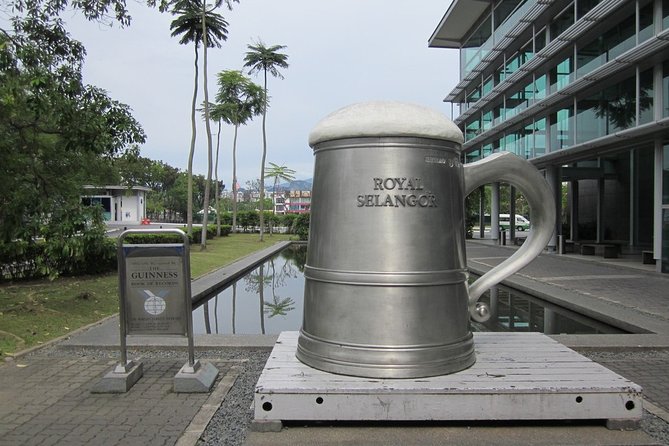
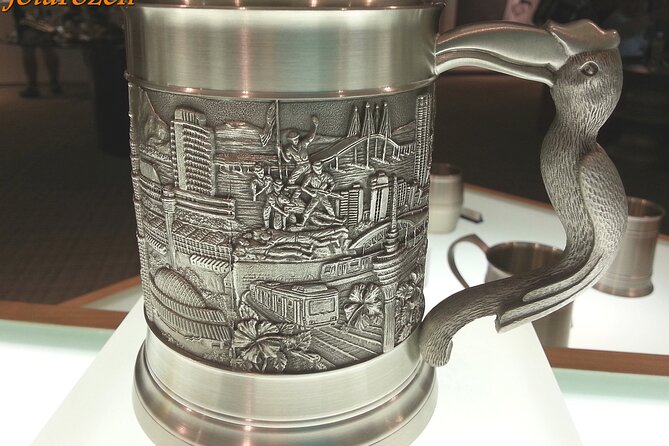
After Batu Caves, the tour shifts gears from religion and stone to craft and metal. At the Royal Selangor Visitor Centre, you’re focused on pewter—specifically the factory side of the story. Royal Selangor is well known for pewter products, and the visitor center is designed to explain the process in a way regular visitors can follow.
What I like about this stop is that it doesn’t feel like a showroom tour. It’s framed as a process: you learn what pewter is, you see how products are made, and you get the kind of explanation that helps you recognize what makes pewter different from other metals. You’re not just looking at finished items; you’re learning how the pieces go from material to product.
The time block is about an hour, so it’s enough to get the main ideas without turning into an all-day factory visit. And because this is part of a guided route with hotel pickup and drop-off, you don’t lose half your day figuring out transport between “far apart” KL attractions.
One practical bonus from feedback: the car rides are described as having good air-conditioning, which matters in Malaysia when you’re switching between heat outdoors and indoor learning. It helps you recharge so you can enjoy the last stop instead of arriving fried.
Jadi Batik gallery and workshop: pattern-making you can actually picture
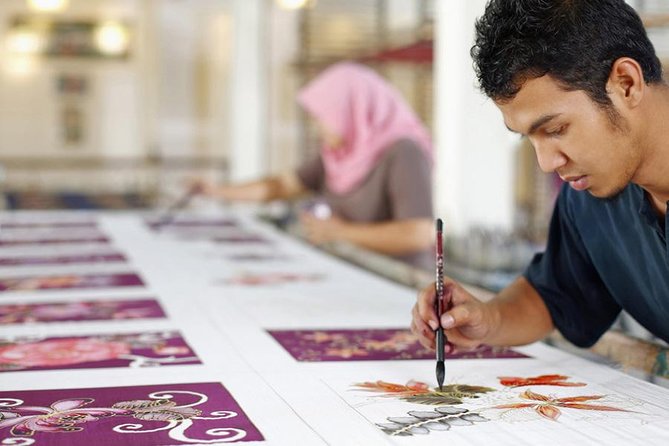
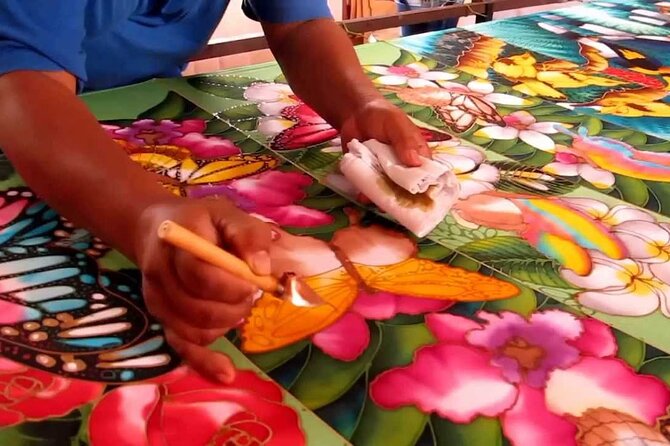
Batik is one of those crafts that’s instantly recognizable once you see it—but it’s hard to appreciate until you understand how the pattern is built. This stop focuses on Jadi Batik Gallery, a Malaysian art setting where you’ll learn about how batik is created.
You’ll have around 30 minutes here. That short window is important. You won’t have hours to wander and copy techniques, but you will get enough time to understand the core logic behind the design. Batik is all about planning the pattern and then working color in a controlled way, and the value of this tour stop is that it turns the finished textile look into something you can picture as a step-by-step craft.
A good way to enjoy this stop: pay attention to how the design is made before you start evaluating the final look. It’s easy to focus only on the most colorful pieces. But the learning moment is in understanding how the pattern is produced and why those designs are meaningful.
Also remember: you’ll be moving from Batu Caves (temple and stone) to pewter (metal craft) to batik (textiles). That variety is the point of the tour—Malaysia doesn’t show up in only one style. It’s a whole set of traditions that touch different materials and different ways of life.
The tour rhythm: how the 3.5 hours actually feel
This is not an all-day “see everything” plan. It’s a 3 hours 30 minutes guided route with three main stops: Batu Caves, Royal Selangor, and Jadi Batik.
That timing matters because it keeps the day realistic for shorter stays in Kuala Lumpur. You get a taste of three big cultural anchors without turning your schedule into a travel obstacle course. The biggest comfort perk is the included hotel transfers. You’re not stuck negotiating transport after the climb or worrying about getting back to your hotel.
The experience is also described as a private tour/activity where only your group participates. In plain terms, that usually means less waiting around than you’d get on a large bus tour, and a better chance for your guide to answer your questions without rushing.
Group discounts are included too, which can improve the value if you’re traveling with friends or family and want to split costs while still getting the guided experience.
And yes, the car comfort shows up in feedback. With air-conditioning available, you’ll likely arrive at the next stop with better energy than if you were bouncing around on hot streets.
Price and value: is $35 per person a smart deal?
At $35.00 per person for about 3.5 hours, this tour can be good value—mainly because of what you’re not paying for and what you’re avoiding.
Here’s the value logic I see:
- Hotel pickup and drop-off are included, which can quietly add up if you have to rely on taxis or rideshares for multiple attractions.
- Admission tickets are listed as free for the Batu Caves stop, the Royal Selangor Visitor Centre, and the Jadi Batik Gallery time.
- You’re paying for a guided route, not just transport. That matters at places like Batu Caves, where context makes the temple experience more meaningful.
The one clear cost you should plan for is food and drinks. They’re not included. So if you’re hungry, budget for snacks or a meal around your own timing. The good news is the schedule is tight enough that you’re unlikely to need a full sit-down lunch during the tour itself.
If you’re on a short Kuala Lumpur trip, the price feels even more reasonable. One guided half-day can help you avoid “time lost,” which is often the biggest expense of all.
- Private Tour Kuala Lumpur with Petronas Twin Towers Observation Deck & Batu Cave
★ 5.0 · 1,029 reviews






What to bring and how to pace yourself
Because Batu Caves involves an actual climb, this tour rewards the right prep.
I’d bring:
- Comfortable, grippy shoes for steps and uneven surfaces
- A light hat and sunscreen (the climb can get hot)
- Water, since food and drinks are not included
- A small pack you can keep with you while you’re moving between indoor and outdoor areas
When you’re on-site, pace beats power. Don’t try to “finish” the steps. Take breaks if needed and keep your breathing under control. The temple area is there when you reach it, and rushing usually just makes the experience feel harder than it needs to be.
Also, try to look at the day as three different modes:
- Outdoor climb and temple context
- Indoor craft explanations and factory-style learning
- Short batik craft understanding
If you accept that rhythm, you’ll enjoy it more and you’ll feel less pressure to cram.
Who this tour suits best (and who should think twice)
This tour is a strong fit if you want a guided cultural sampler without complicated planning. It’s especially good for:
- First-timers to Kuala Lumpur who want Batu Caves + craft stops in one outing
- People who prefer hotel pickup and drop-off over public transport navigation
- Travelers who want to understand Malaysian culture through materials—stone temple life, metal craft, and textile design
It might be less ideal if:
- You strongly dislike stairs. The 272 steps are the main challenge.
- You want a long, slow museum-style experience. This is efficient, not leisurely.
If you’re moderately comfortable with walking and you plan for the heat, you’ll likely find it an easy, rewarding half-day.
Should you book this Batu Caves and Pewter and Batik tour?
I’d book it if you want a clean, guided route that hits three major cultural experiences in one afternoon, without the stress of taxi routes or transit schedules. The included hotel transfers and the “free admission” structure make the $35 price feel more solid than many similar half-day options.
I’d think twice if the Batu Caves steps could be a problem for your group. In that case, you might still enjoy the pewter and batik parts, but you’d want a plan that reduces or skips the climb.
Overall: this is a practical cultural day that respects your time. You get the iconic hill temple moment, then you learn how Malaysian craft shows up in metal and cloth—exactly the kind of contrast that makes travel feel like more than just a checklist.
FAQ
How long is the tour?
It lasts about 3 hours 30 minutes.
What’s included in the price?
The tour includes GST and hotel pickup and drop-off.
Is food included?
No. Food and drinks are not included.
Will I need to climb stairs?
Yes. Batu Caves involves climbing 272 steps to reach the temple area, so a moderate physical fitness level is recommended.
What stops are included?
You visit Batu Caves, the Royal Selangor Visitor Centre (pewter factory visit), and the Jadi Batik Gallery.
Is the tour private?
It’s described as a private tour/activity, with only your group participating.
Is admission covered?
The tour lists admission ticket free for the stops mentioned: Batu Caves, the Royal Selangor Visitor Centre, and the Jadi Batik Gallery.