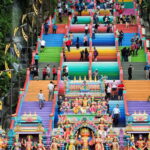
REVIEW · KUALA LUMPUR
3-Hour Countryside and Batu Tour in Malaysia
Book on Viator →Operated by Dynamic Tours · Bookable on Viator
Caves, factories, and a smooth half-day plan. This small-group Batu Caves tour bundles air-conditioned pickup with stops for pewter and batik wax-dye craft, then takes you up the 272 steps with live commentary. You get an organized route without feeling rushed through a checklist of sights.
Two things I like a lot are the hands-on factory focus and the way the day mixes big landmarks with smaller cultural stops. At the Royal Selangor Visitor Centre, you see pewter production up close, and at Jadi Batek Gallery you watch batik design and printing before you can create your own piece. It’s a nice switch from only looking at temples.
The only real drawback is physical effort. Those 272 steps can feel steep, especially in midday heat, so plan for a moderate fitness level and wear grippy shoes. It’s also closed for three days around Thaipusam, so you’ll want to double-check your travel dates early.
In This Review
- Key highlights to look forward to
- A Half-Day Batu Caves Plan That Feels Like a Shortcut
- Getting Picked Up at MATIC and Staying on Schedule
- Royal Selangor Pewter: Factory Craft in an Hour
- Batu Caves Temple Cave: The 272-Step Climb With Context
- Cave Villa and the Murals You’ll Walk Past
- Jadi Batek Gallery: Wax-Dye Batik and Making Something
- Guide Style, Live Commentary, and Small-Group Pace
- What to Budget and How $35 Adds Up
- Who This Tour Suits Best (and When to Skip)
- Should You Book the 3-Hour Countryside and Batu Tour?
- FAQ
- How long is the Batu Caves countryside tour?
- What does the $35 price include?
- Where do I meet the guide?
- Is hotel pickup available?
- What is the fitness level needed?
- Is the tour affected by Thaipusam?
Key highlights to look forward to
- Hotel pickup plus a simple return: you’re collected and dropped back for a selected area, and the tour ends back at the meeting point
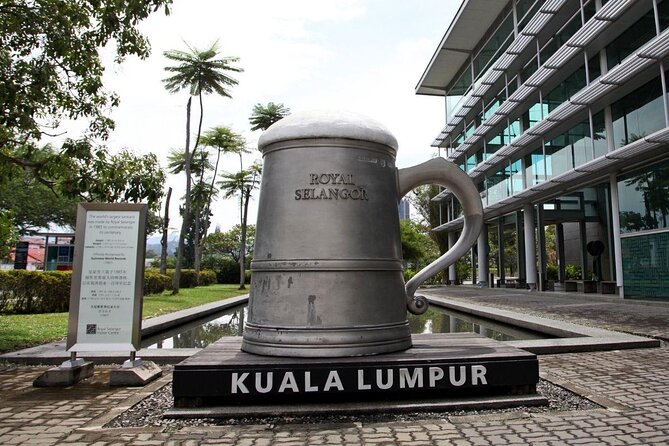
- Royal Selangor Pewter factory visit: a full hour at a major, modern pewter factory with free admission
- Batu Caves with live context: you’ll get commentary while you reach the main temple cave via the 272-step climb
- Cave Villa adds the “pause and look” factor: a shorter stop with murals and deity scenes in the museum cave
- Batik at Jadi Batek Gallery: everyday demonstrations and time to make something yourself
- Max 15 people: small-group size keeps the pace relaxed enough for photos and questions
A Half-Day Batu Caves Plan That Feels Like a Shortcut
If Batu Caves is on your Kuala Lumpur list, this kind of tour helps you do it with less stress. You’re not trying to solve transport between scattered sights; you get a built-in route that flows from factories to caves to craft work. The day also stays short enough that you won’t lose a whole vacation day just to get there and back.
What makes the plan work is the mix. Batu Caves delivers the iconic moment, but the stops before and after make the visit feel broader than a single photo climb. You’ll spend real time with pewter production and bAtik wax-dye craft, then you’ll return to the caves for the temple cave and the smaller museum cave.
You should still treat the step climb seriously. Even if you’re in good shape, the temple cave is 272 steps, and the weather can add friction. I’d plan your day around that effort so you can enjoy the views and not just survive the stairs.
You can also read our reviews of more tours and experiences in Kuala Lumpur

Getting Picked Up at MATIC and Staying on Schedule
Your day starts at Pusat Pelancongan Malaysia (MATIC) near Jalan Ampang, with the tour either collecting you from a hotel in a selected area or meeting at MATIC itself. The meeting point listed is MATIC at 109, Jln Ampang in Kuala Lumpur, and the plan is to be there about 15 minutes early so the group can depart smoothly.
This kind of pickup is practical value in Kuala Lumpur. If you’re staying in a busy area, walking to bus stations or negotiating rides can eat up your energy before the main attraction. With an air-conditioned vehicle already arranged, you get a more comfortable start and a clearer timeline.
The tour duration is about 3 hours 30 minutes total. That means the stops have momentum, and you’ll want to show up ready: water bottle, hat, and shoes you trust. It also ends back at the meeting point, which makes it easier to reconnect with your afternoon plans.
If you prefer using public transit, the meeting location is described as near public transportation, so you’re not completely locked into a pickup route. Either way, the structure is built to keep you from wasting time.
Royal Selangor Pewter: Factory Craft in an Hour

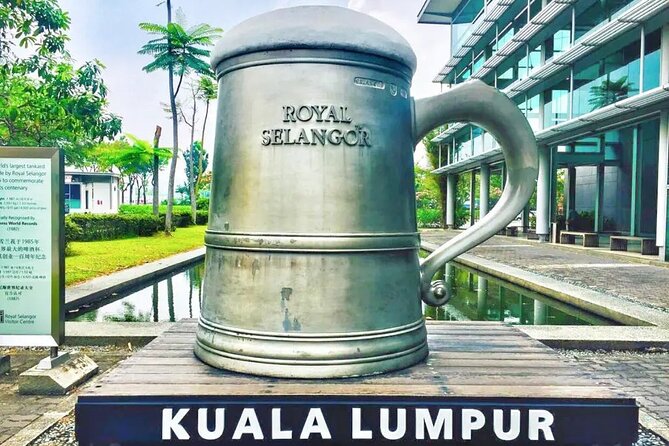
One of the best “bang for your time” stops is the Royal Selangor Pewter Visitor Centre. You’ll spend about one hour here, and the admission ticket is marked free. This is a proper factory-style visit, and the big draw is seeing how pewter is produced rather than just browsing a shop.
The description highlights the scale and modern setup, calling it the largest and most modern pewter factory in the world, with international reputation for quality and craftsmanship. Even if you’re not a pewter collector, that kind of focus changes how you see the end products. You understand the effort behind the shine.
I like this stop because it breaks the rhythm of temples. Batu Caves is all energy and stairs; the pewter hour is slower and more explanatory. You’ll also get commentary during the day, which helps connect what you’re seeing to Malaysian craft traditions instead of treating it like a random detour.
A small consideration: factory visits can be easier if you’re curious and want to ask questions. If you just want maximum time outdoors, the factory hour is still enjoyable, but it might feel like it takes away from cave time. In practice, it usually balances out because it gives your brain a rest from heat and climbing.
Batu Caves Temple Cave: The 272-Step Climb With Context
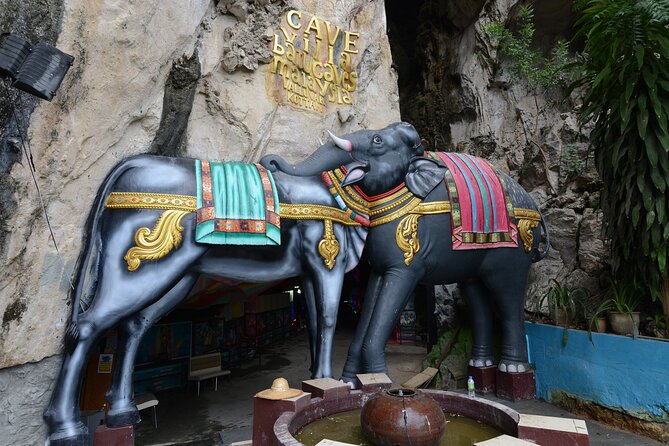
This is the main event: Batu Caves, set in limestone hills with three caverns and several smaller caves. The temple cave is dedicated to Lord Murugah, a Hindu deity, and the route leads up via 272 steps. The stop time is about one hour, which is long enough to reach the viewpoint, take photos, and still have time to look around carefully.
What you’ll feel first is the effort. Those steps aren’t a gentle stroll, so plan your pace like you’re running a short workout. Start slow, take breaks if you need them, and don’t let the staircase traffic push you into rushing.
What makes this stop more worthwhile is the live commentary. Hearing what you’re looking at—temple context, the meaning of the site, and what you’ll see in nearby areas—turns a photo stop into a real visit. Without that, Batu Caves can become simply: climb, see, climb down.
You also get a chance to experience the cave setting itself. The limestone structure and the way the temple spaces sit within the rock make the place feel bigger than you expect from street level. Even if you’re only there for an hour, the scale hits.
If you’re traveling with anyone who finds stairs tough, I’d treat this as a decision point. The tour assumes a moderate fitness level, and the 272-step climb is the kind of challenge you can’t ignore.
Cave Villa and the Murals You’ll Walk Past
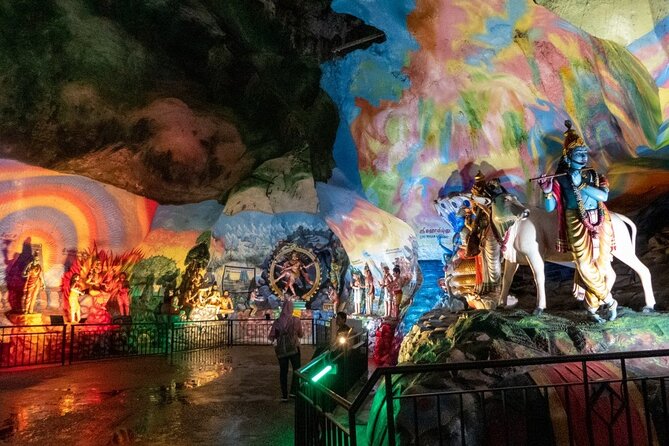
After the temple cave, you continue to another cave stop called Cave Villa, also described as the museum cave. The time here is about 30 minutes. This is the place where the tour shifts from the climb to “pause and look,” because the museum cave is filled with images of deities and murals depicting scenes from Hindu scriptures.
Entrance for this stop is listed as not included, so you may need to budget an extra ticket cost if you want to go inside. That’s not a reason to skip it, but it is a heads-up for your day planning. If you’re trying to keep costs predictable, check whether you’ll be paying on the spot.
I think this stop is a good companion to Batu Caves. The main temple area is dramatic; the museum cave helps you slow down and understand what you’re seeing. It’s also a nice option if you’ve already climbed and you’d rather spend your remaining time standing and reading murals instead of climbing further.
If you’re short on energy, you can use the 30 minutes strategically—enough time to view the key murals, take a few notes in your phone, and then move on without feeling guilty for not “doing everything.”
- Private Tour Kuala Lumpur with Petronas Twin Towers Observation Deck & Batu Cave
★ 5.0 · 1,029 reviews






Jadi Batek Gallery: Wax-Dye Batik and Making Something
The final craft stop is Jadi Batek Gallery, focused on batik design and printing. This stop runs about 30 minutes, and the admission is marked free. The description also says batik demonstration at the workshop happens every day, which is a reassuring detail if you’re visiting on a day with limited scheduling flexibility.
Batik here is explained as a wax-dye technique, and the workshop approach matters. You’re not only watching; you’re given time to create your own piece. That last part is the difference between passively seeing culture and actually leaving with a small piece you can take home.
I like this kind of ending because it gives you a souvenir that isn’t just a purchased trinket. Even if your creation isn’t museum-perfect, you’ll still understand the process better. You’ll also have a concrete way to remember the day beyond photos of stairs.
One practical note: craft activities can be messy. Bring clothes you don’t mind getting a bit warm or marked. If you’re wearing something delicate, you might want to rethink it.
Also, this stop rounds out the day’s theme. Pewter represents precision and finish; batik shows process and pattern. Together, they make Malaysia’s craft culture feel like a living thing, not just a shop counter.
Guide Style, Live Commentary, and Small-Group Pace
This is a small-group tour with a maximum of 15 people, which matters more than it sounds. Smaller groups mean less waiting, more chances to ask questions, and a pace that doesn’t feel like you’re being herded. It also makes the commentary feel personal, not like a lecture over headsets.
Guide quality is also part of the value. The names that come up often in the experience are Mr Suresh, Steven, and Hari, described as friendly, helpful, and comfortable with guiding the day without making it stiff. People also highlight patience with photos, which is a big deal when you’re stopping at stairs, murals, and indoor workshops.
Live commentary helps you connect the stops. You’re not just hopping from one place to the next; you’re getting explanations while you’re there, which keeps the energy up. It’s also useful at Batu Caves, where it’s easy to feel like you’re only doing the big tourist move and nothing else.
The pace is relaxed enough for breaks, but it’s still a structured 3.5-hour block. That means it’s not a good fit if you want long wandering time at only one stop. Instead, it’s best if you want a solid overview without spending the whole day planning and getting transport right.
What to Budget and How $35 Adds Up
The price is $35.00 per person, and that’s where the value is easiest to see. For that amount, you get air-conditioned transportation and hotel or port pickup and drop-off for selected areas, plus an English-speaking driver. You also get multiple cultural stops with admission generally noted as free, which helps keep the day from turning into surprise add-on costs.
Here’s the honest breakdown you should plan for:
- Food and drinks aren’t included, so budget for snacks or plan to eat later.
- Gratuities are optional, so keep some cash or card available if you want to reward good guiding.
- Entrance fees may apply for any stop where it’s listed as not included, especially Cave Villa.
Most of the stops list admission as free, including the factory visits and the Batu Caves segment. That makes the price feel more reasonable because you’re paying for the route, the transport, and the guided time—not just a ticket.
If you’re comparing against self-guided costs, the big advantage is the total friction removed. You don’t have to line up transport between Batu Caves and craft destinations or manage timing between stops. That is often what costs you the most, not money—it’s attention and energy.
So, if you want Batu Caves plus craft culture in one smooth afternoon and you don’t want to spend your day figuring out logistics, this price point often makes sense.
Who This Tour Suits Best (and When to Skip)
This tour fits you if you want a short, structured day that includes both a famous landmark and cultural workshops. It’s also a good choice if you’d rather travel with a plan instead of guessing how long factories and caves take on your own. The group size cap keeps it from feeling chaotic.
It may not be the best match if you hate stairs or have a limited tolerance for walking uphill. Even with a one-hour visit at Batu Caves, the route includes a serious climb via 272 steps, and the tour asks for a moderate fitness level. If you know you’ll be uncomfortable with stairs, consider an alternate plan.
The timing matters for one more reason: the tour is closed for three days on Thaipusam, specifically the day before, during, and the day after the festive period. If your trip overlaps those dates, you’ll need a different activity for that window.
If you’re visiting with kids or older family members, you should still think carefully about the step challenge. The rest of the itinerary is manageable, but Batu Caves is the physical centerpiece.
Should You Book the 3-Hour Countryside and Batu Tour?
I’d book this tour if you want Batu Caves without the logistical hassle and you’re curious about Malaysian craft beyond the temple photo. The combination works because you’re not stuck in one kind of attraction: you get factory viewing at Royal Selangor, a temple cave climb, and a hands-on batik workshop at Jadi Batek Gallery.
Skip it if your priority is slow, quiet exploration at Batu Caves only, because the schedule is built around moving through several stops in a tight block. Also, if you can’t handle stairs well, the 272-step climb is the deal-maker or deal-breaker.
If you book, go in with the right mindset: pack for sun and walking, expect a comfortable air-conditioned ride, and treat Cave Villa as the “look closely” add-on rather than a major second peak. Do that, and you’ll likely end the day feeling like you saw Batu Caves and understood the craft stops that connect to daily Malaysian culture.
FAQ
How long is the Batu Caves countryside tour?
The tour lasts about 3 hours 30 minutes.
What does the $35 price include?
It includes an English-speaking driver, air-conditioned transport, and hotel or port pickup and drop-off for selected areas. It also includes admission tickets marked free for most stops, while some entrance fees may not be included (for example, Cave Villa).
Where do I meet the guide?
You meet at Pusat Pelancongan Malaysia (MATIC) at 109 Jln Ampang, Kuala Lumpur, 50450. The tour can also offer pickup from selected areas, and the tour ends back at the meeting point.
Is hotel pickup available?
Yes, pickup is offered for selected areas, and the tour also includes drop-off back at the meeting point.
What is the fitness level needed?
You should have a moderate physical fitness level due to the 272 steps at Batu Caves.
Is the tour affected by Thaipusam?
Yes. The tour/activity is closed for three days on Thaipusam: the day before, during, and the day after.